Last Updated on May 21, 2026 by ReTurf
There’s nothing quite like the sight of lush, green grass gracing a home. Artificial turf remnants are the next best thing, offering a low-maintenance, weather-resistant alternative that costs a fraction of full installations. And here’s the secret most people don’t know: the leftover scraps from turf projects are some of the most versatile raw materials you can get your hands on for backyard DIY.
Whether you’ve got a roll sitting in your garage after a recent install, or you’re sourcing offcuts specifically for a project, remnants of artificial grass can be cut, shaped, layered, glued, and painted into a surprising array of functional and decorative pieces. Best of all, they’re durable, easy to clean, and hold up beautifully to the elements.
So where do you start? Here are 15 ideas, ranging from the simple to the surprisingly ambitious.
1. Create a Dedicated Pet Area
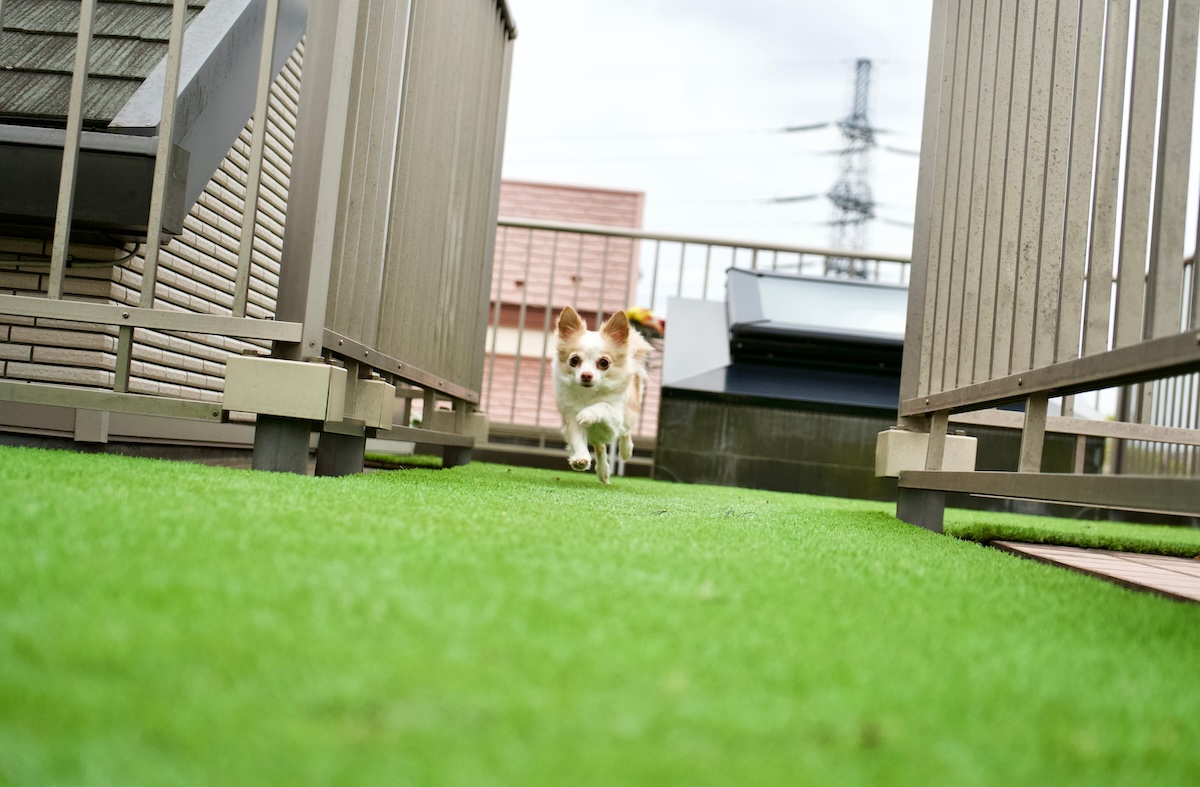
Dogs and cats love the feel of grass underfoot, but natural lawns get destroyed quickly by digging, waste, and heavy traffic. A designated artificial turf zone gives your pet a comfortable outdoor space that’s easy to maintain and nearly indestructible.
Use remnants to carpet a pen, a kennel/dog run, or simply a corner of your yard designated as the pet area. The blades are gentle on paws and soft enough for pets to lie on in warm weather.
Most quality artificial turf drains freely, so cleanup with a hose is very easy. You can also line the inside of a dog house floor with a small piece of turf for insulation and comfort.

2. Make a Play Area or Playroom Floor Covering
Children’s play areas take a beating. Whether it’s under a swing set, around a sandbox, or covering the floor of a playhouse, artificial grass remnants can provide an easy-to-clean surface that holds up to years of use.
Indoors, turf remnants make a genuinely fun playroom floor covering. The texture is novel and tactile for kids, and the green creates a bright, energizing space. Use double-sided carpet tape or a non-toxic adhesive to keep pieces in place.
Outdoors, a generous patch of turf under play equipment reduces impact from falls better than bare dirt or wood chips, and there’s no mud to track back inside.
3. Build a Backyard Putting Green
This is the big one for golf enthusiasts, and it’s more achievable than you might think. Artificial turf remnants, especially those designed to mimic fairway or putting-surface textures, are perfect for creating a small backyard putting green.
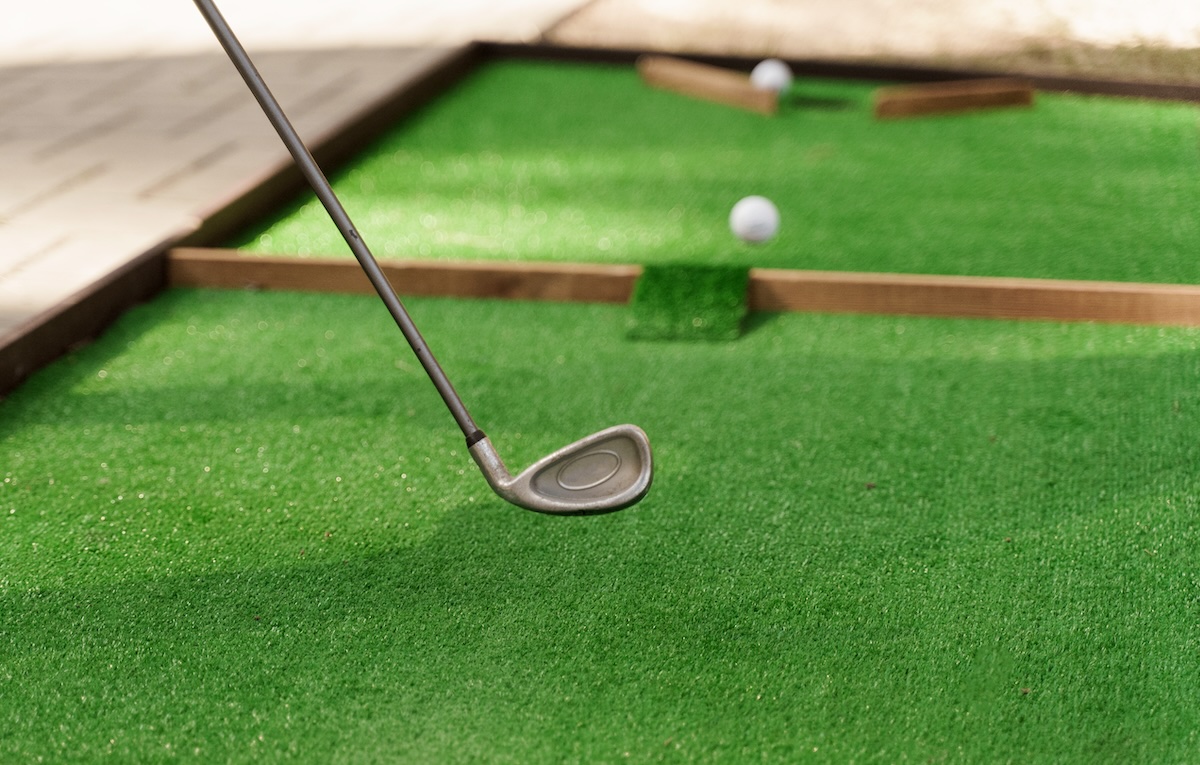
Outline your desired shape (kidney, oval, and freeform organic shapes all work well), excavate a few inches of soil, lay a compacted base of crushed aggregate, and install your turf remnant on top. Add one or two cup holes with standard putting cups, and you have a practice green ready to use year-round.
Even a small 6-by-10-foot green dramatically improves your short game and gives you a reason to be outside. Scale it up with multiple holes, fringe areas of slightly longer turf, and even a few decorative rocks or low shrubs to create a genuine course feel.
4. Build a Backyard Mini Golf Course
If a putting green isn’t enough, go further. Use artificial grass remnants as the surface material for a full DIY backyard mini golf course. Each hole only needs a few square feet of material, and the variety of remnant textures (longer pile for rough areas, shorter for fairways) can actually work in your favor to create interesting playing conditions.
Frame each hole with plywood side walls, add obstacles from repurposed materials (PVC pipe, wooden blocks, stepping stones), and use cup inserts available at any golf supply store. A full 9-hole course in a mid-sized backyard is absolutely achievable with a few weekends of work and a modest collection of turf remnants.
It’s a project that adds genuine value, and serious fun, to your outdoor space for years to come.
5. Set Up a Bocce or Cornhole Court
Beyond putting, turf remnants make excellent surfaces for a wide range of lawn games. Lay down a long, narrow strip (roughly 4 by 60 feet) to define a bocce ball court, or use a smaller piece as the throwing zone for cornhole or ladder toss.

The consistent, flat surface a turf remnant provides means game play is more predictable and enjoyable than on an uneven or patchy natural lawn. Remnants used this way also protect the grass underneath from the heavy foot traffic these game areas attract.
Add painted lines or markers to define zones and scoring areas, and your backyard instantly becomes the preferred gathering spot in the neighborhood.
6. Build a Rooftop or Balcony Green Space
Balconies, rooftop decks, and apartment terraces are notoriously difficult to green up. You can’t plant grass in a pot effectively, and real sod is far too heavy and maintenance-intensive. Turf remnants are ideal here.
They’re lightweight, can be cut precisely to fit irregular shapes and around railings or HVAC units, and transform a sterile concrete balcony into a genuine outdoor sanctuary.
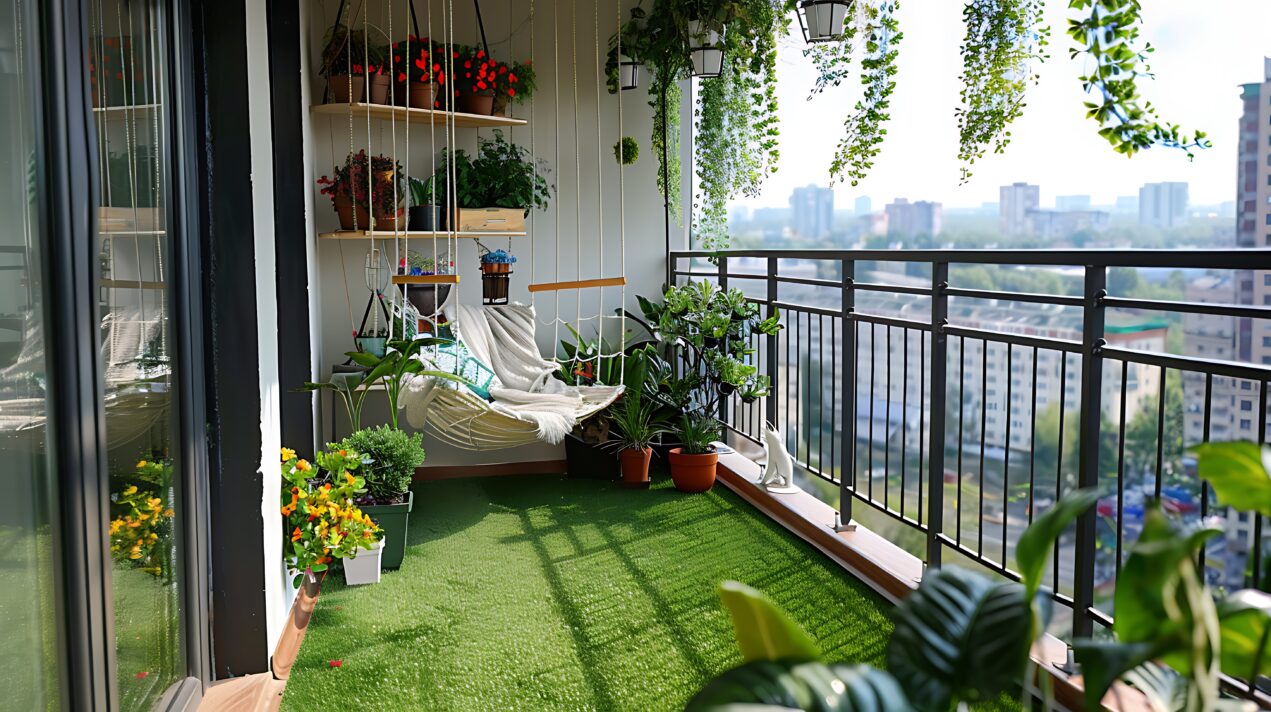
Pair the turf with a few large container plants and some string lighting, and the transformation is remarkable.
For renters, the best part is that turf remnants can be rolled up and taken with you when you move.
7. Line Raised Garden Beds and Planter Boxes
Raised garden beds look incredible when the exterior sides are wrapped in green turf remnants. The visual effect is lush and organic, the turf protects the wood from weathering, and the whole structure ends up looking like it belongs in a boutique nursery or high-end outdoor space.
Cut your remnant strips to match the height and perimeter of each bed, then attach them using outdoor staples or a waterproof adhesive. If you have multiple beds, matching turf wraps tie them together visually into a cohesive garden design.
This also works beautifully on large terracotta pots, wooden window boxes, and custom planter frames.
8. Make a Life-Size Backyard Chessboard
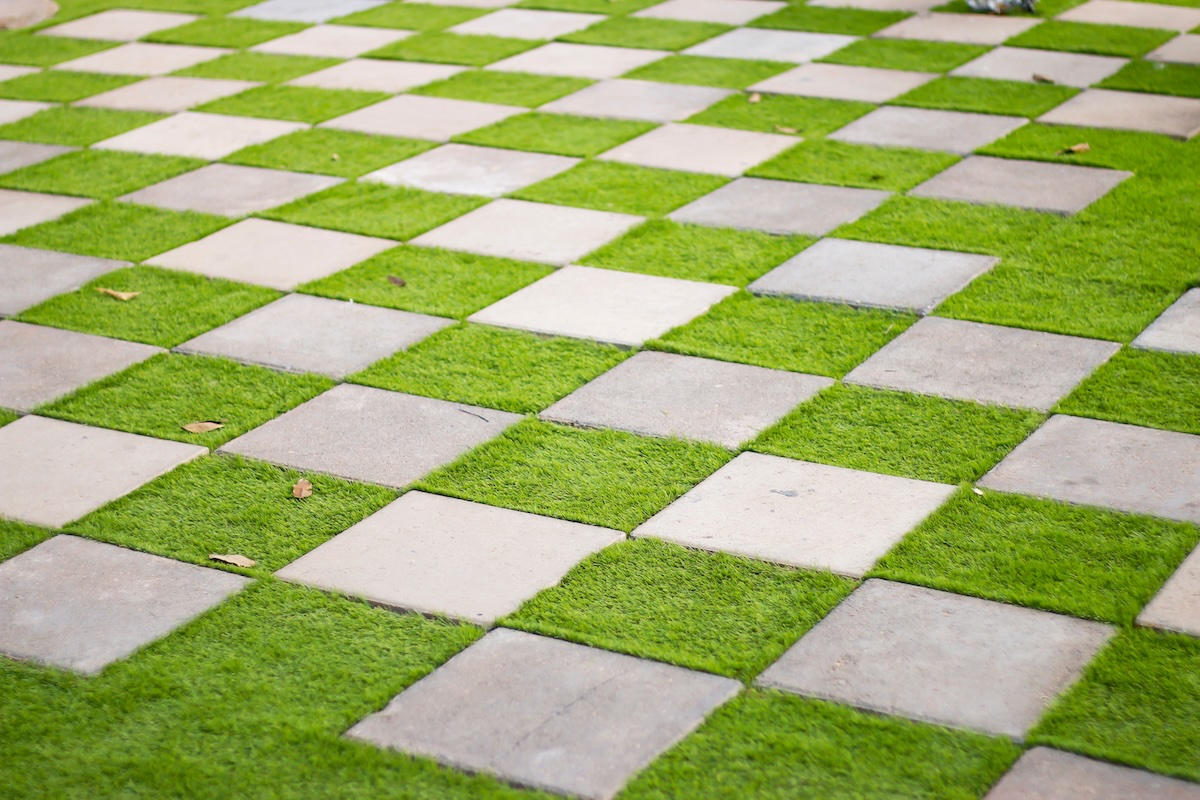
A life-size outdoor chessboard turns a classic strategy game into a full-body experience that gets the whole family off the couch and into the yard.
To build one, you’ll need two colors of turf remnants: a vibrant green and a lighter or contrasting shade (cream, black, or tan all work well).
Cut 64 equal squares and lay them in the classic alternating pattern directly on a flat area of your yard or on a plywood base for portability. Secure the squares with outdoor adhesive or heavy-duty landscape staples.
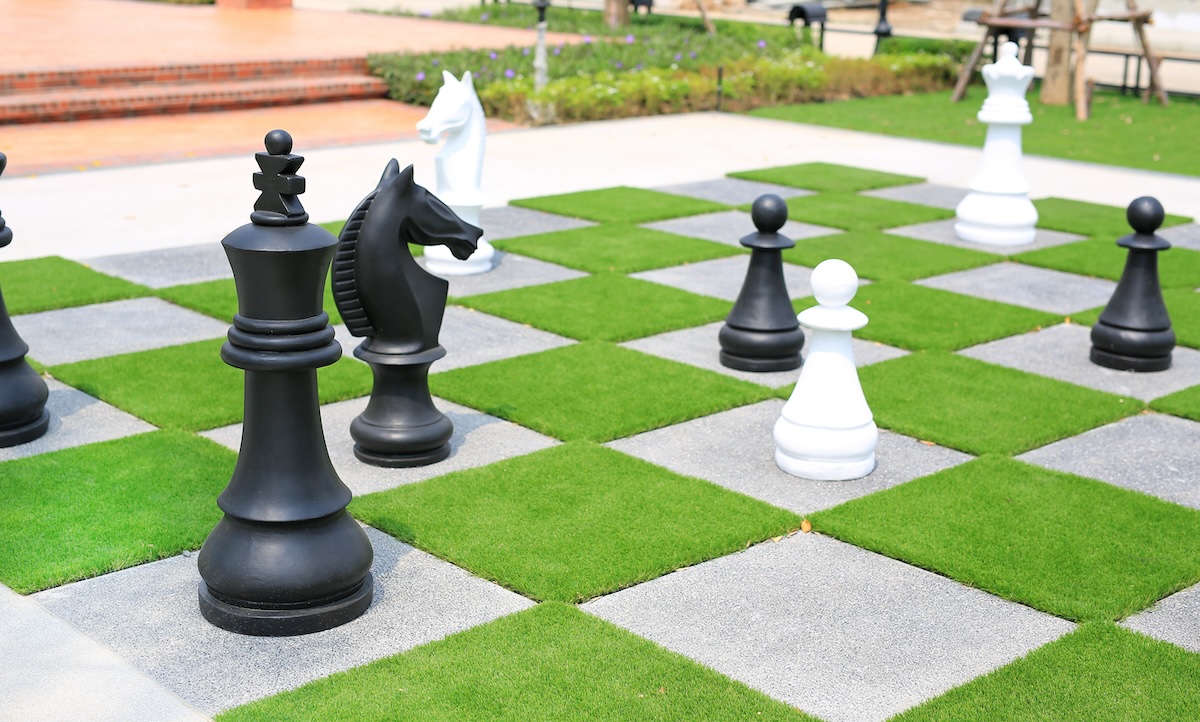
For the pieces, you have options: purchase oversized chess sets online and simply place them on your board, or get truly creative and wrap foam or wooden forms with turf scraps to make your own. The result is a one-of-a-kind backyard centerpiece that doubles as an activity for guests of all ages.
Pro tip: Apply a thin border of black rubber edging around the full board to give it a finished, professional look.
9. Cover a Table for a Themed Party or Permanent Outdoor Bar
Planning a garden party, a backyard sports watch party, or a summer barbecue? Cover outdoor tables with turf remnants for an instantly themed setup. Green turf works especially well for golf-themed events, St. Patrick’s Day parties, garden parties, or any outdoor gathering where you want the space to feel lush and festive.
For a more permanent installation, consider wrapping the surface of an outdoor bar or serving cart in turf. Guests love the novelty, it’s easy to wipe down, and it holds up to spills and weather.
10. Create a Sensory Garden Path
Winding pathways through a garden are beautiful on their own, but a pathway lined or surfaced with turf remnants takes the sensory experience further: soft underfoot, quiet, and visually lush even where natural grass won’t grow.
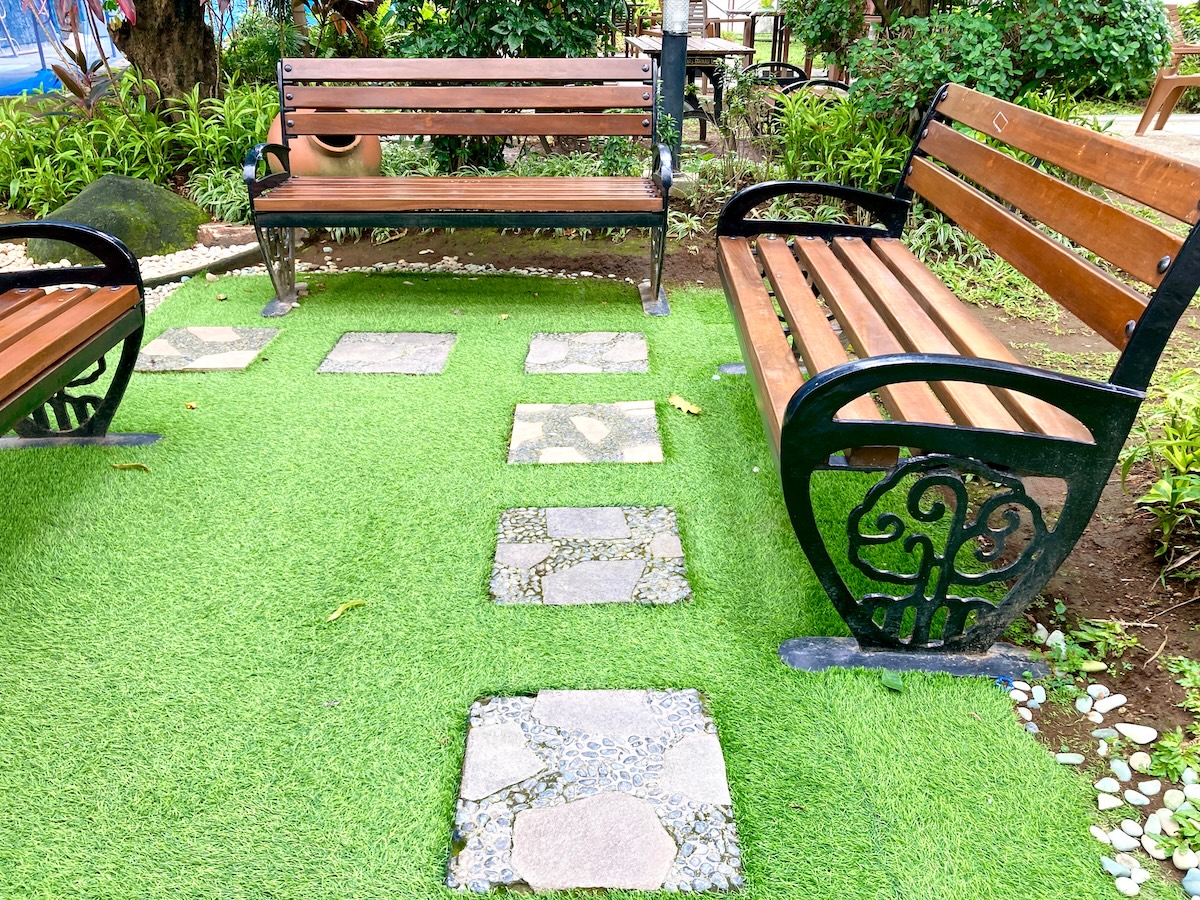
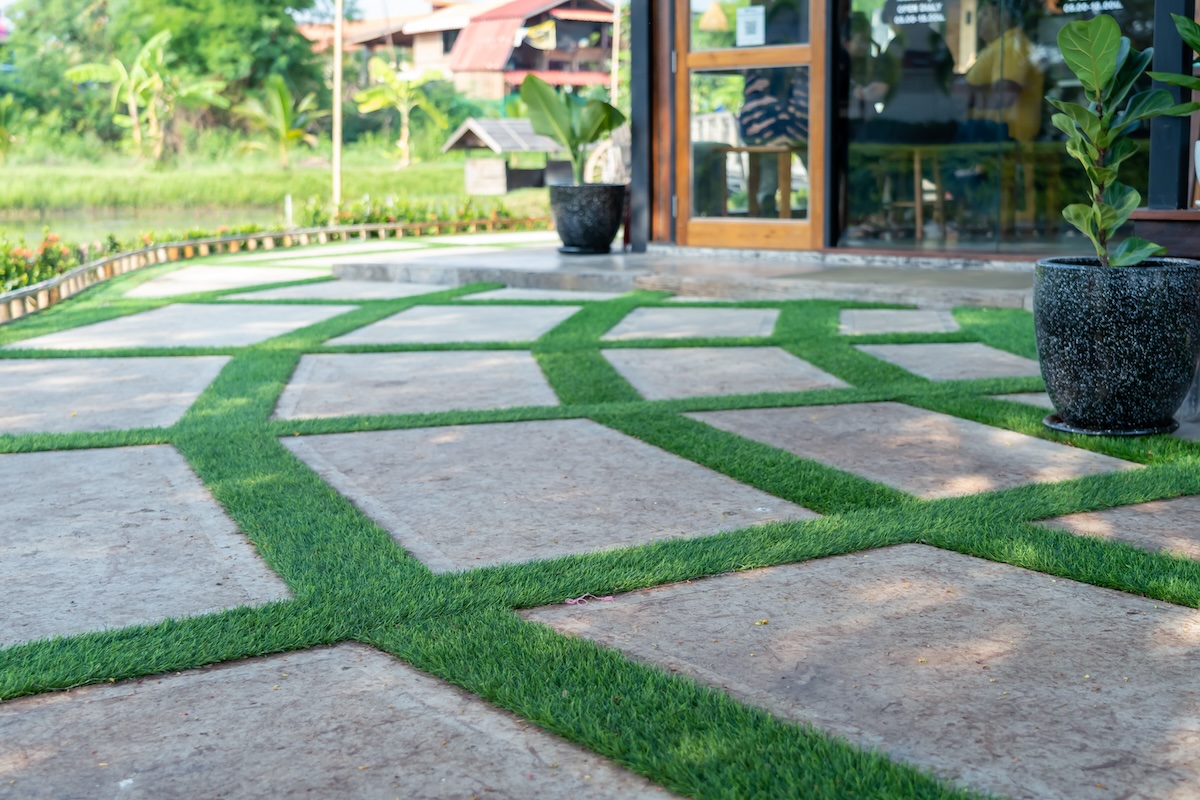
Use remnant strips to create stepping sections between pavers, fill in the gaps in a flagstone path, or line the edges of a gravel walkway. You can also use small turf pieces to create a mossy-looking patchwork effect between stones that mimics an overgrown English garden path without any of the maintenance.
11. Upholster Outdoor Furniture Cushions and Seat Pads
This one surprises people, but it works. Thin turf remnants can be cut and used to recover or top outdoor chair cushions, bench seats, and ottomans. The effect is quirky, unexpected, and undeniably fun, especially for a garden party or outdoor entertaining space.
For a more refined take, use turf as a table runner down the center of an outdoor dining table, anchored at the ends and layered with candles, potted herbs, or other natural decor. It creates a botanical, garden-party atmosphere that feels effortlessly styled.
12. Cushion and Decorate Outdoor Stairs
Outdoor concrete or wooden stairs can look harsh and utilitarian, especially on an elevated patio, deck, or gazebo. Wrapping each step in a strip of turf remnant is one of the quickest and most affordable ways to soften their appearance and add a surprising pop of color.
The key to doing this well is a secure, properly fitted installation. Cut strips slightly wider than each step and fold them neatly over the front edge (the nose) for a clean, tailored look. Use a high-quality outdoor adhesive rated for your stair material and reinforce with heavy-duty staples to make sure nothing shifts or lifts over time. Any turf that isn’t fully secured to the surface should be refastened before the stairs are used, as even a small amount of movement underfoot can be a nuisance.
When done right, the result is a staircase that looks intentional, welcoming, and uniquely green. Choose a turf with a low, dense pile for stair applications since shorter blades tend to stay flat and firm underfoot, which is especially important in wet or high-traffic conditions. It’s also worth inspecting the installation a few times in the first few weeks, and seasonally after that, to make sure the adhesive and staples are holding up to the weather.
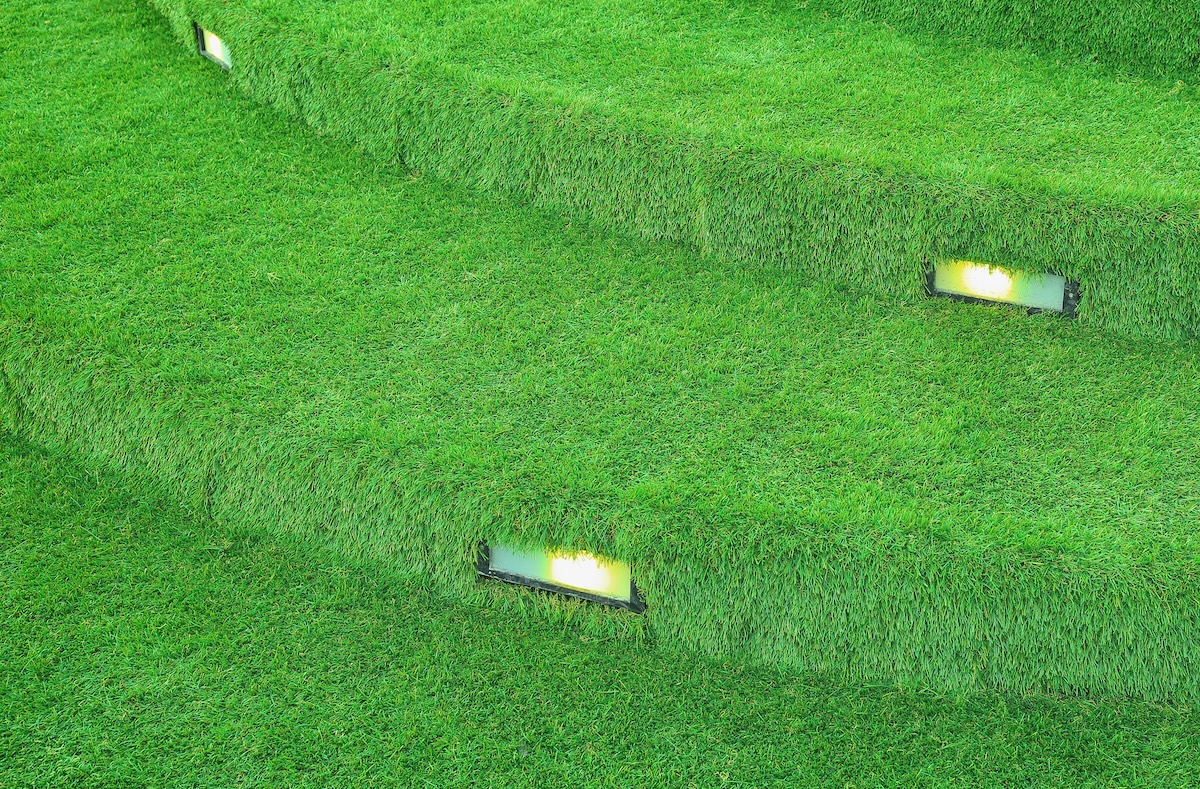
For extra flair, alternate a vibrant green turf with a neutral-toned outdoor runner down the center of the steps.
13. Upgrade Your Doormats, Front and Back
Standard doormats wear out fast, look generic, and can be difficult to match to your outdoor aesthetic. Turf remnants solve all three of those problems at once.
Cut a piece of turf to your desired shape (rectangle, half-circle, or even a custom silhouette) and you instantly have a doormat that’s soft underfoot, visually striking, and genuinely effective at catching dirt and debris. The grass blades trap particles the way a traditional mat would, and a quick rinse with a hose is all it takes to clean it. You can personalize it further by using stencils and outdoor spray paint to add a house number, a family name, a welcome message, or even a simple geometric pattern. Black and white paint contrasts beautifully against the green.
Make them for the back door, the garage entry, the side gate, anywhere you want a little green underfoot.
14. Line a Truck Bed or Workshop Floor
Turf remnants are incredibly practical in vehicle and workshop settings. Cut to fit the bed of a pickup truck, they protect your cargo, reduce sliding, and are far easier to clean than carpet liners. They’re especially useful if you haul plants, garden supplies, or tools regularly.
In a workshop or garage, turf remnants make excellent anti-fatigue floor mats near workbenches. The give in the blades reduces foot and back fatigue during long standing projects, and unlike foam mats, turf cleans easily with a hose.
15. Make a Window Box or Balcony Rail Planter Cover
Small window boxes and balcony rail planters are charming, but the wooden or plastic exterior often leaves something to be desired aesthetically. Wrapping them in turf remnants creates a lush, verdant facade that makes the plants inside look even more vibrant by comparison.
This is especially effective for herb gardens, flower boxes, and balcony vegetable planters. The green surrounds bring the whole display together and make it look intentional and designed rather than improvised.
Where to Start
The turf projects above range from an afternoon of casual DIY to a full weekend build, but they all share one thing: none of them require a huge amount of material, specialized skills, or expensive tools. Turf remnants are forgiving, easy to work with, and remarkably versatile when looked at as perfectly-good raw material rather than just leftover scraps from a previous artificial grass installation.
Whether you start small with a custom doormat or go all-in on a backyard mini golf course, the key is to get creative and let the material work for you. If you have questions about sourcing remnants or choosing the right pile height for a specific project, reach out to ReTurf. ReTurf’s artificial turf experts can point you toward the right turf remnants and offcuts for whatever you have in mind.