Last Updated on April 29, 2026 by ReTurf
Buying artificial turf seems straightforward at first, until you start looking at the different options and find there’s much more to the decision than picking something green.
New artificial turf. Used artificial turf. Artificial turf remnants. All-green turf. Game-marked turf. Logo-marked turf. Premium used turf. Budget used turf. Brand-new pieces left over from larger rolls. Reclaimed athletic field turf that still has years of life left in it.
At first, it can feel like you’re comparing apples, oranges, and a truckload of green carpet that all looks sort of similar in photos.
The right choice depends on what you’re building, how polished you need it to look, how much square footage you need to cover, how flexible you are on appearance, and how comfortable you are handling the practical side of freight, unloading, trimming, seaming, and installation.
A homeowner making a small side yard look better may not need the same turf as a gym owner covering a training area. A batting cage buyer may care more about durability and roll size than a perfect backyard appearance. A dog yard customer may care most about drainage, odor control, and whether the turf can be cleaned easily. A budget-focused DIY buyer may be perfectly happy with used turf as long as they understand what they’re getting.
That’s the point of this guide. Not to push one type of turf as the perfect answer for everyone, but to help you make a clear, confident decision before you spend money.
The Short Version
If you want the most consistent appearance, the fewest surprises, and a surface that looks intentionally finished, new artificial turf is usually the safest choice.
If you want the lowest cost per square foot and you’re comfortable with field markings, signs of prior use, varied roll sizes, and a more practical look, used artificial turf can be a very smart buy.
If you want brand-new turf without needing a massive quantity, and you can work within the available sizes, artificial turf remnants can be the sweet spot.
Here’s the simple breakdown:
| Turf Type | Best For | Main Advantage | Main Tradeoff |
| New artificial turf | Lawns, patios, pet areas, high-visibility spaces | Consistent look and known product specs | Higher cost |
| Used artificial turf | Large budget projects, batting cages, gyms, utility areas, temporary layouts | Lower cost per sq. ft. | Prior use, markings, variable appearance |
| Artificial turf remnants | Small yards, strips, pavers, patios, dog runs, accent areas | Brand-new turf at smaller-piece flexibility | Limited sizes and availability |
What Is New Artificial Turf?
New artificial turf is exactly what most people picture when they think of artificial grass. It comes from the manufacturer unused, with consistent color, pile height, backing, drainage design, and face weight. You can usually choose a style based on the look and function you want: softer landscape turf, denser lawn turf, pet-friendly turf, putting green turf, playground turf, or more durable sports-style turf.
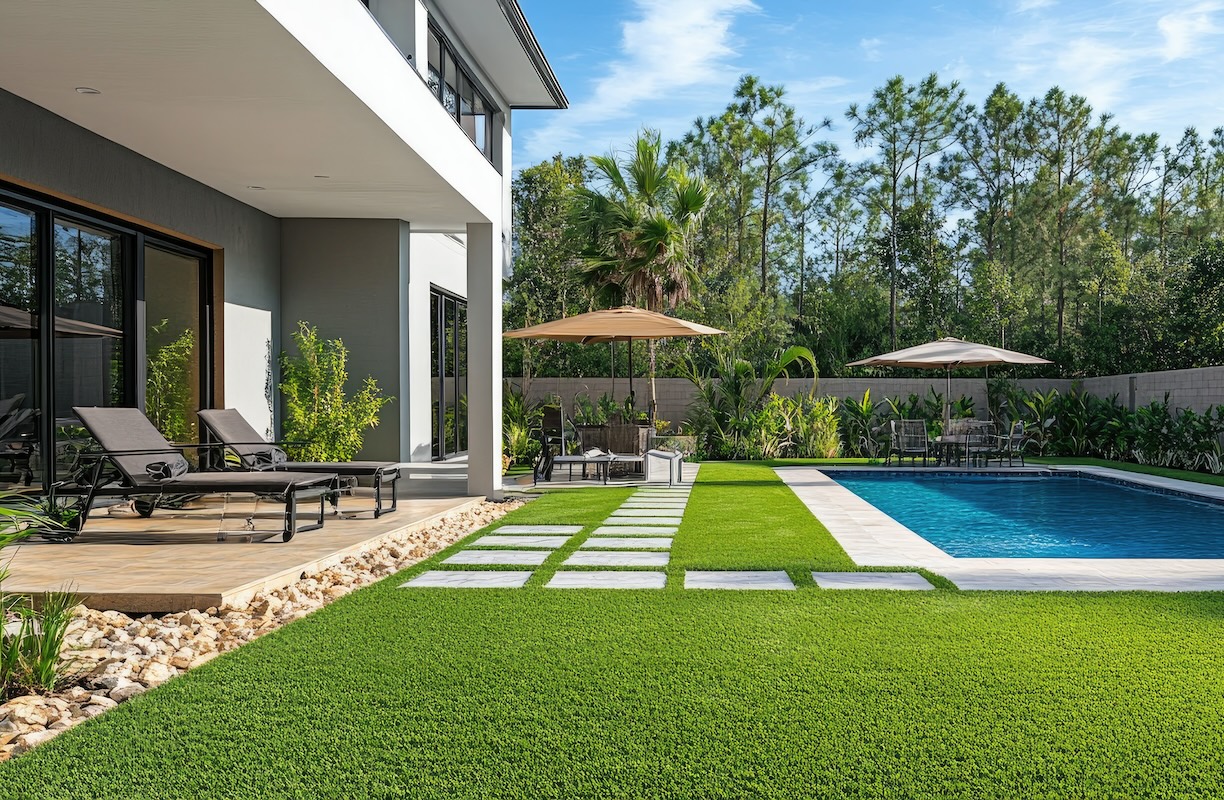
For homeowners, new turf tends to be the easiest option to visualize. You know the product has not been played on, painted, patched, dragged across a field, exposed to years of cleats, or rolled up after removal. It usually has a more uniform appearance from one end of the project to the other, which is important for front yards, patios, pool areas, modern backyard designs, and anywhere the finished look is a major part of the decision.

New turf is also usually easier to match if you need more of the same product later, assuming the style is still available. That can be helpful if you plan to do a side yard now and a larger backyard section later.
The downside is cost. New artificial turf usually costs more than used turf and often more than remnants. That extra cost may be worth it for a finished residential lawn or a polished commercial display area. It may not make sense for a batting cage, warehouse training zone, dog run, utility strip, or budget project where function counts more than a picture-perfect lawn look.
When New Artificial Turf Makes the Most Sense
New artificial turf is usually the better choice when the finished appearance needs to look intentional, consistent, and high-end.
That includes front yards, visible backyard lawns, pool-adjacent lounge areas, rooftop patios, courtyard designs, putting greens, pet areas where you want a specific drainage or antimicrobial setup, and commercial spaces where customers will see the turf every day.
New turf also makes sense when you’re picky about feel. Some buyers want a softer blade, a specific color blend, a particular pile height, or a surface that feels more like landscape grass than sports turf. Used turf can still be useful and durable, but you do not usually get the same level of control over the exact style.
New turf is also the safer route for customers who do not want to deal with markings, old field paint, minor wear, uneven color, or roll-by-roll variation. If the idea of field numbers, hash marks, logos, or faded lines would bother you every time you walked outside, used turf probably is not the right choice for that specific project.
That does not mean used turf is bad. It means the project is asking for a more finished product.
What Is Used Artificial Turf?
Used artificial turf is reclaimed turf that has already had a previous life, often on an athletic field. When fields are replaced, the old turf may still have usable life left. Instead of sending all of that material to the landfill, it can be removed, rolled, inspected, graded, sold, and repurposed for other projects.
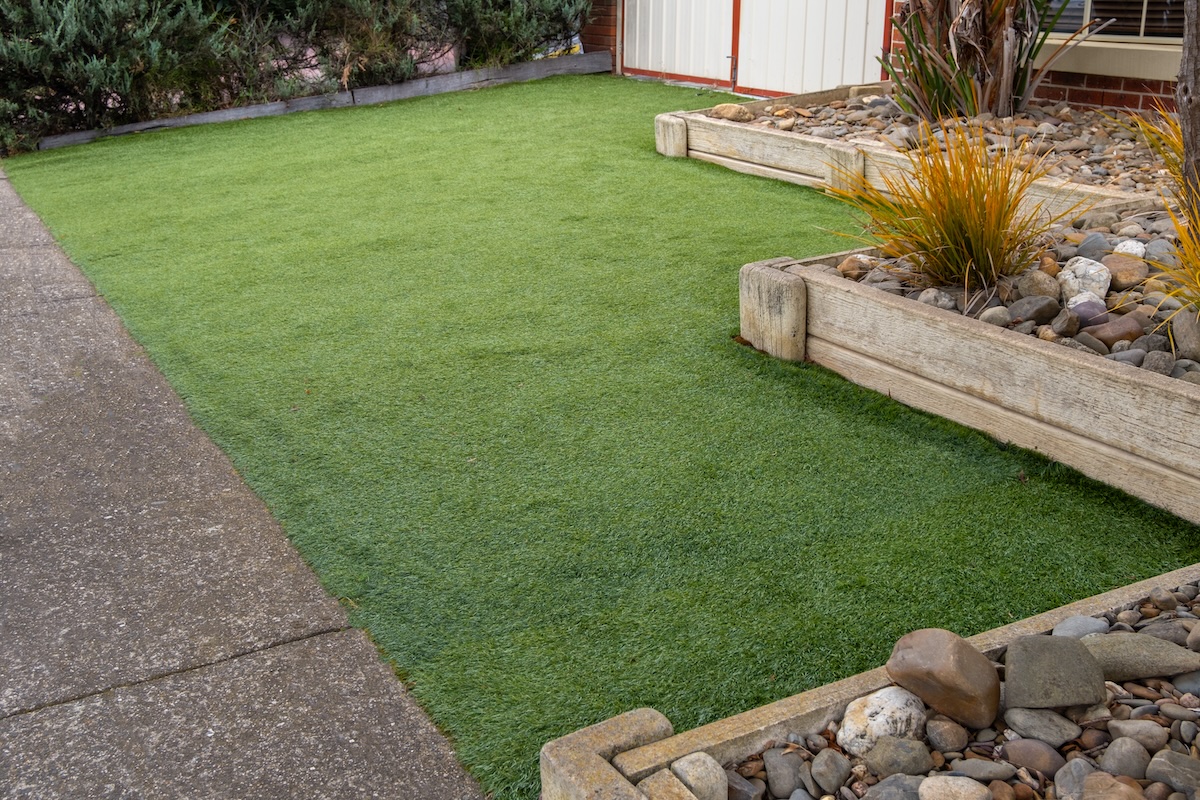
The reuse angle is one of the biggest reasons people like used turf. It keeps usable material in circulation and gives buyers access to turf at a lower price than many new options. For large square-footage projects, that savings can be significant.
Used artificial turf is especially popular for batting cages, indoor training spaces, gyms, dog runs, temporary event flooring, side yards, equipment areas, farm or kennel paths, play zones, and practical backyard projects where budget and durability are the main priorities.
The part buyers need to understand is that used turf is not new turf with a discount sticker slapped on it. It has history. It may have field markings. It may have logo remnants. It may show wear. It may have seams, patched areas, discoloration, old infill, or signs of removal. It may arrive in large, heavy rolls that require planning to unload and move.
That does not make it a bad product. It makes it a product that needs the right buyer and the right project.
What Used Turf Buyers Are Sometimes Nervous About
Most people are not nervous about saving money. They’re nervous about what the savings might be hiding.
That’s fair. When someone searches for used artificial grass or used turf for sale, they’re often wondering the same things:
- Will it look terrible when it shows up?
- Will it smell?
- Will it be full of holes?
- Will the markings be obvious?
- Will it be too worn out?
- Will I be able to install it myself?
- Will it arrive in a roll I can handle?
- Will I need equipment to unload it?
- Will I regret not buying new?
Those are the right questions to ask before buying used artificial turf.
A trustworthy seller should be willing to explain the grade, condition, markings, likely appearance, roll sizes, freight expectations, and best uses before the order is placed. Used turf can be a great value, but the buyer should know what “used” means in practical terms. If someone expects flawless landscape turf and receives reclaimed sports turf with visible markings, that is a mismatch. Conversely, if someone expects affordable, durable ground cover for a batting cage or training area and receives a strong used turf roll with some field paint, that can be a big win.
When Used Artificial Turf Makes the Most Sense
Used artificial turf is usually the best fit when you need a lot of coverage without paying new-turf prices.
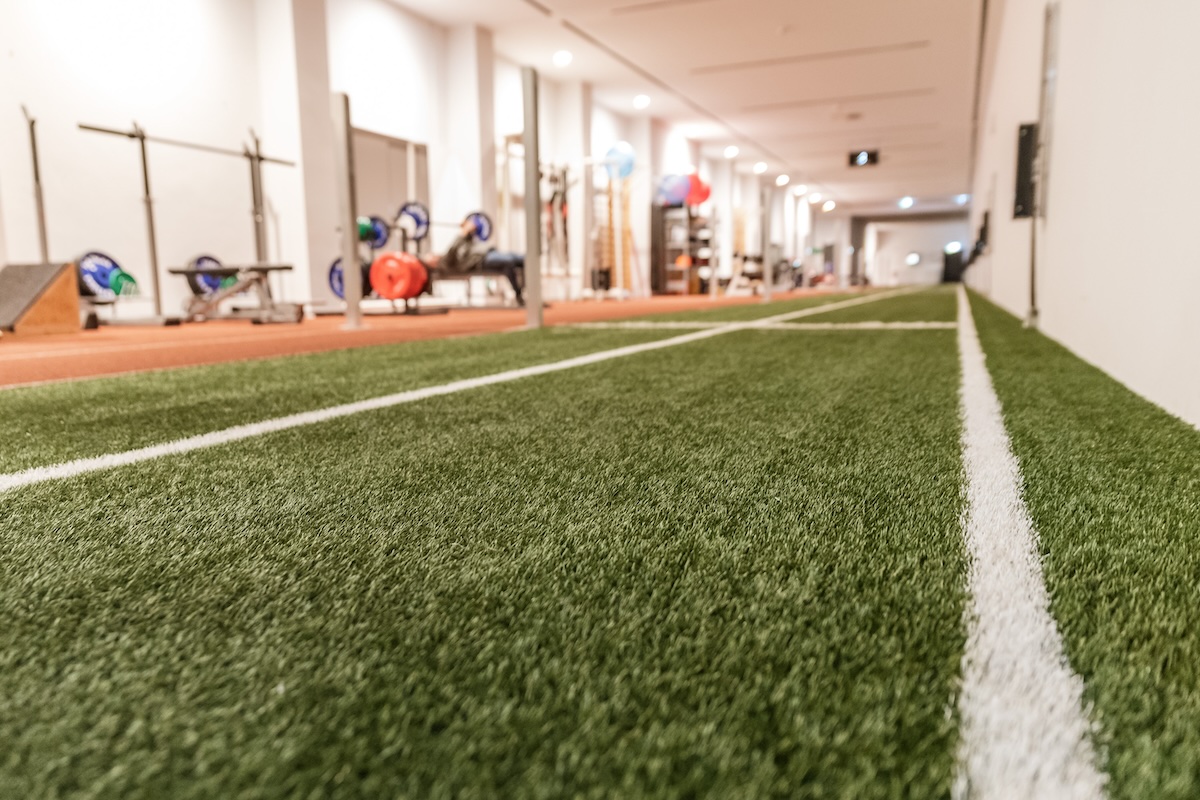
It works especially well for large practical spaces where function comes first. Batting cages are a great example because the turf needs to handle foot traffic, training use, and repeated wear. Gym flooring areas can also benefit from used turf when the goal is sled pushes, agility work, stretching zones, or general training space.
Used turf can also make sense for dog runs, kennel areas, muddy side yards, drainage-prone walkways, farm use, temporary event flooring, equipment staging areas, and utility spaces around a property.
For residential projects, used turf works best when the buyer is comfortable with a more practical finish. A homeowner using used turf behind a garage, along a fence line, beside a shed, under playground equipment, or in a dog area may be very happy with the savings. A homeowner trying to create a luxury courtyard that looks like a designer rendering may be happier with new turf or a new remnant.
Used turf also makes sense when the project has some flexibility. If you can work around roll widths, trim away damaged edges, place markings strategically, or use multiple pieces creatively, you have a better chance of getting strong value from used turf.
What Are Artificial Turf Remnants?
Using artificial turf remnants involves utilizing brand-new pieces of turf left over from larger rolls, production runs, or cut orders. They are unused, but they are not always available in every size, style, or quantity.
Think of remnants as the “right place, right project” option. They can be perfect when you do not need a full roll or a massive order. For example, a small patio strip, paver gap project, side yard section, dog relief area, balcony, play corner, utility mat, or under-deck space may not require a full new roll. A remnant can give you new turf quality in a smaller, more manageable piece.
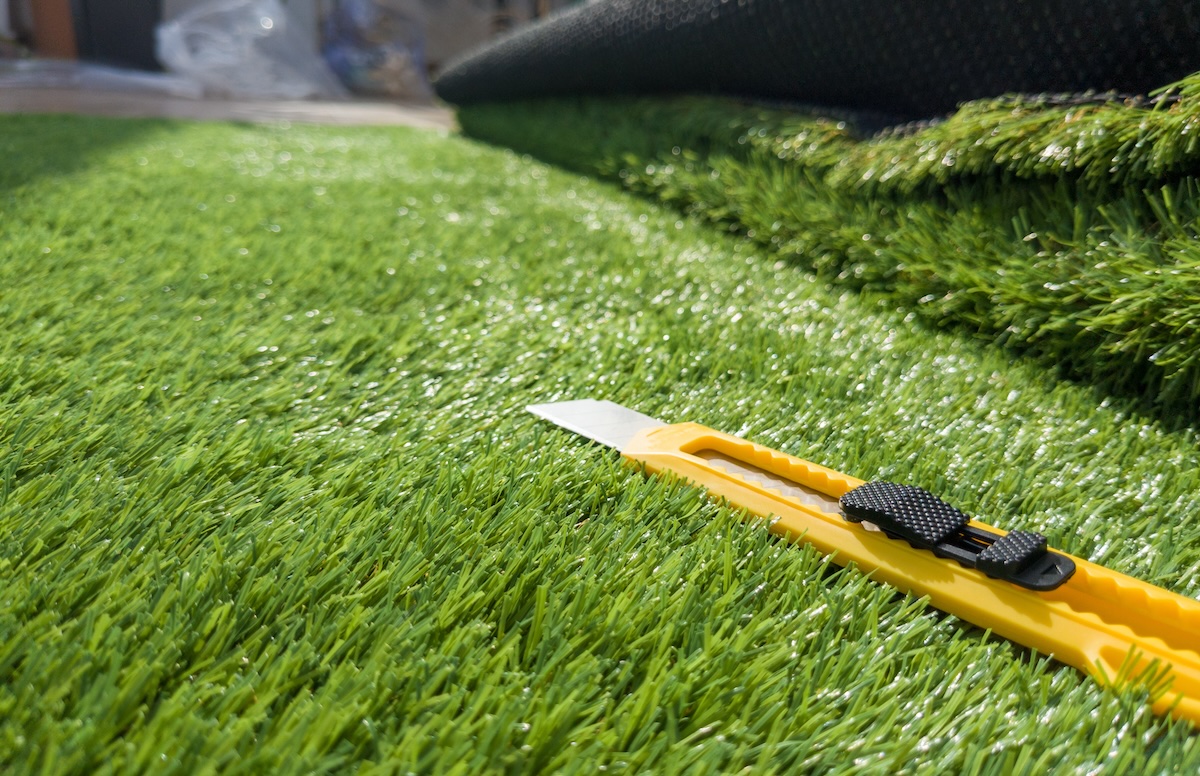
The tradeoff is availability. You may not find the exact size you want on the exact day you want it. You may need to adjust the project slightly based on what pieces are available. If you need 600 square feet in one uninterrupted piece, remnants may or may not work. If you need 80 square feet for a small project and there’s a remnant that fits, it can be a very practical buy.
Remnants are especially useful for DIY buyers because they can reduce waste. Instead of ordering a much larger piece than needed, you may be able to find a closer fit.
When Turf Remnants Make the Most Sense
Artificial turf remnants are often the best choice for small to medium projects where you want unused turf but do not need a full-size roll.
They work well for paver strips, stepping-stone paths, patio accents, balcony areas, small dog zones, side yards, under play equipment, decorative strips, garage gym sections, booth displays, trade show setups, and small backyard upgrades.
Remnants can also be a good way to get a more polished surface without paying for more turf than the project calls for. If your project is small and visible, a remnant can offer the appearance advantage of new turf with less waste.
The main thing is measuring carefully. With remnants, the available size determines whether the piece is a good fit. You want enough material to cover the space, account for trimming, and align the grain direction the way you want it.
If the remnant is too small, do not force it. Seaming together several small scraps can work in some projects, but it may create more visual seams than you want. For a polished patio or paver layout, fewer seams usually looks better.
New vs. Used Artificial Grass: The Practical Difference
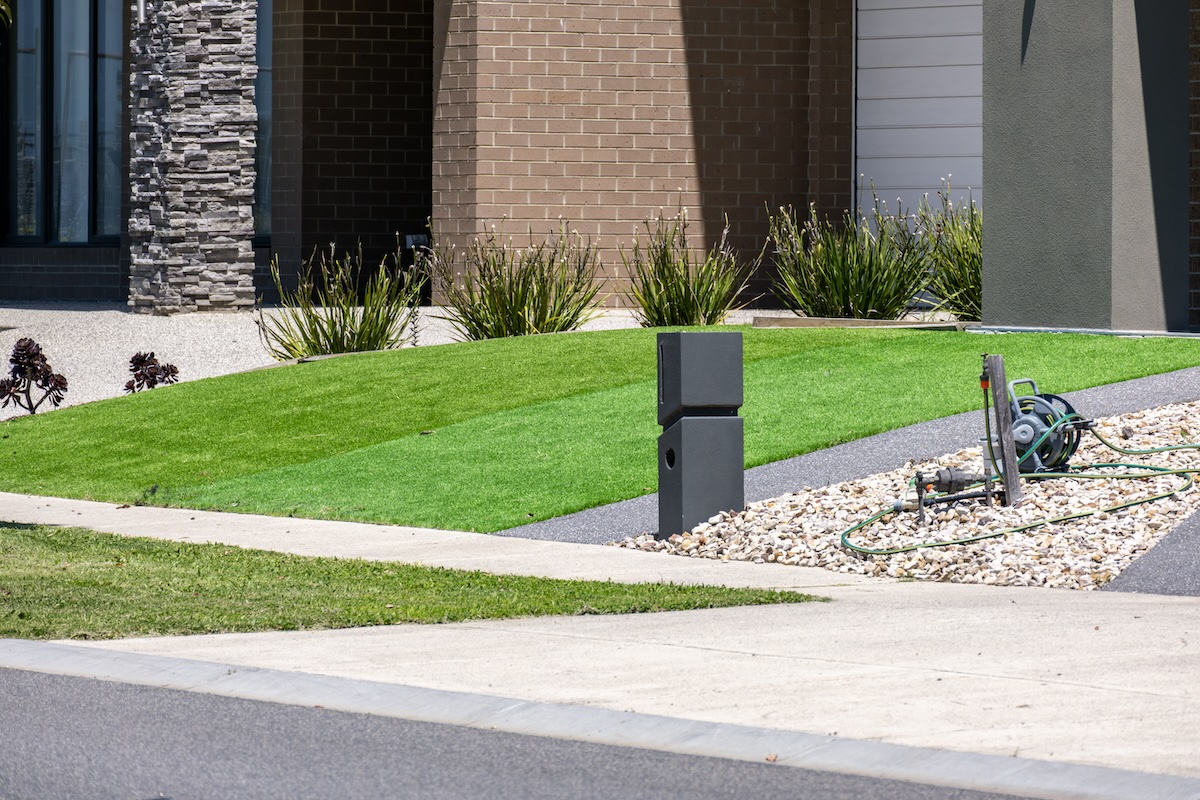
The biggest difference between new and used artificial grass is not simply price. It is predictability.
New turf gives you more control. You can choose the style, appearance, pile height, density, color blend, backing type, and intended use. You know the turf has not been installed before. That predictability is valuable for high-visibility projects.
Used turf gives you more value per square foot, but with more variables. You may get a tough, durable surface for far less than new turf, but the appearance may include signs of prior use. You may need to work around field markings. You may need to trim edges. You may need to be flexible with roll sizes. You may need to plan more carefully for delivery and unloading.
For some buyers, that tradeoff is easy. They would rather save money and accept a few imperfections. For others, the unknowns are not worth the stress.
There is no shame in either answer.
The right choice is the one that fits the project, budget, and expectations.
Used Turf vs. New Turf for Backyards
For a backyard, the right turf depends on how the space will be used and how visible it is.
If you are creating a primary lawn area where family, guests, and neighbors will see the surface often, new turf is usually the better choice. It will look more consistent, feel more intentional, and give you better control over the finished appearance.
If you are covering a utility area, dog path, side yard, under-playset zone, or low-visibility section, used turf may make plenty of sense. It can solve mud, reduce maintenance, and make the area more usable without requiring a new-turf budget.
Artificial turf remnants can sit right in the middle. For a small backyard feature, patio edge, or paver section, remnants can provide a new-turf look without forcing you into a larger order.
A good backyard decision usually comes down to one honest question: are you trying to create a finished landscape feature, or are you trying to make an area more useful and affordable?
If it’s the first, lean new or remnant. If it’s the second, used turf may be the better fit.
Used Turf vs. New Turf for Dogs

Dog turf has its own set of concerns. Appearance is still important, but drainage, odor control, rinsing, cleaning, and base prep become a much bigger part of the decision.
New pet turf can be worth it when you want a surface designed specifically for dogs. Some new pet turf products are built with drainage and cleaning in mind, and they may pair better with pet-safe infill and odor-control systems.
Used turf can still work for dog areas, especially larger runs or budget-friendly outdoor zones. The big question is condition. You want turf that drains well, can be cleaned, and does not have backing damage that traps moisture. You also want to think through the base underneath. Even good turf can smell bad if urine collects in a poorly prepared base.
Remnants can be excellent for small dog relief areas, apartment patios, side-yard strips, and compact runs. Since remnants are unused, they may feel more comfortable for buyers who are nervous about odor or prior field use.
For dogs, the turf choice is only half the story. The base, drainage layer, cleaning routine, and infill choice can make or break the project.
Used Turf vs. New Turf for Gyms
Gym turf is one of the better use cases for used artificial turf.
In many training spaces, the turf does not need to look like a perfect lawn. It needs to handle sled work, foot traffic, stretching, agility drills, warmups, and general training. A little field marking may even look natural in a sports performance setting.
Used athletic turf can be a strong fit because it was built for activity in the first place. It may already have the toughness and surface feel gym owners want, at a much lower cost than new athletic turf.
New turf may be better for boutique gyms, high-end training studios, branded fitness spaces, or facilities that want a very specific color, thickness, or visual layout. If the turf is part of the customer-facing design, new may be worth the extra cost.
Remnants can work for smaller home gyms, garage gyms, sled strips, and personal training zones. The limitation is size. If you need a long, continuous training lane, remnant availability may determine what is practical.
Used Turf vs. New Turf for Batting Cages
Batting cages are one of the clearest places where used turf can shine.
Most batting cage buyers need durability, coverage, and value. They may not need a flawless lawn-style appearance. Used turf can provide a strong surface for baseball or softball training while keeping the project more affordable.
Field markings are often less of a problem in a batting cage than they would be in a front yard. In some cases, they barely affect the practical use of the space. The important questions are roll size, turf condition, backing integrity, drainage if outdoors, padding needs, and how the turf will be secured.

New turf is still a good choice for professional facilities, premium training centers, or customers who want a polished, uniform look from wall to wall. It may also be preferable when the cage surface needs a specific pile height or backing.
Remnants can work for smaller practice areas, hitting mats, side sections, or compact cages, but many batting cage projects need longer runs than remnants can reliably provide.
For batting cages, used turf is often one of the best value plays as long as the buyer understands the condition and layout before purchasing.
Used Turf vs. New Turf for Pavers and Patio Projects
Paver projects are usually more appearance-sensitive than people expect.
When turf goes between pavers, every strip is visible. The turf is part of the design. Uneven color, heavy markings, or worn areas may stand out more because the turf is framed by stone, concrete, or porcelain pavers.
For that reason, new turf or remnants are usually the better choice for modern paver layouts. A remnant can be especially useful because paver strips often need smaller amounts of turf. If the remnant is large enough and the style looks right, it can be a smart way to get new turf for a design-focused project.
Used turf can work between pavers in some utility projects, but it takes more care. You would want all-green used turf if available, and you would need to inspect the material carefully for color consistency and wear. Game-marked or logo-marked used turf is usually not ideal for narrow decorative strips unless the project is intentionally casual or functional.
For patios and pavers, the more visible the turf, the more you should prioritize appearance.
Used Turf vs. New Turf for Temporary Projects and Events
Temporary projects are often a great fit for used turf. If you need ground cover for an event, booth, staging area, photo area, sports activation, pet event, aisle, or short-term layout, used turf can give you a lot of coverage without new-turf pricing. Since the project is temporary, small cosmetic issues may be easier to accept.
Remnants can also work well for events when the footprint is small. A new remnant can make a compact booth or display area look more finished without a large order.
New turf makes sense when the event is brand-sensitive, high-end, photographed heavily, or tied to a display where appearance is part of the value. For a premium product launch or polished retail setting, new turf may be worth it.
The more temporary and practical the use, the more used turf makes sense. The more polished and customer-facing the use, the more new turf or remnants deserve consideration.
How Appearance Should Affect Your Decision
Appearance is where buyers often get surprised.
New artificial turf gives you the most consistent look. The color, blade height, thatch, backing, and surface texture should be uniform across the roll. If you care about the finished visual result, that consistency is worth paying for.
Used turf may look good, but it will usually look used in some way. That can mean field markings, faded paint, wear patterns, seam lines, variation in color, or rougher edges. Some used turf looks very presentable. Some looks more practical than pretty. The grade and source matter.
Artificial turf remnants are unused, so they generally have the appearance advantage of new turf. The main issue is size and matching. If you need multiple remnants, they may not all match perfectly unless they come from the same product and dye lot.
A good rule: if the turf will be the visual centerpiece of the space, prioritize new turf or a well-matched remnant. If the turf is mainly there to solve a surface problem, used turf can be a better value.
How Markings Should Affect Your Decision
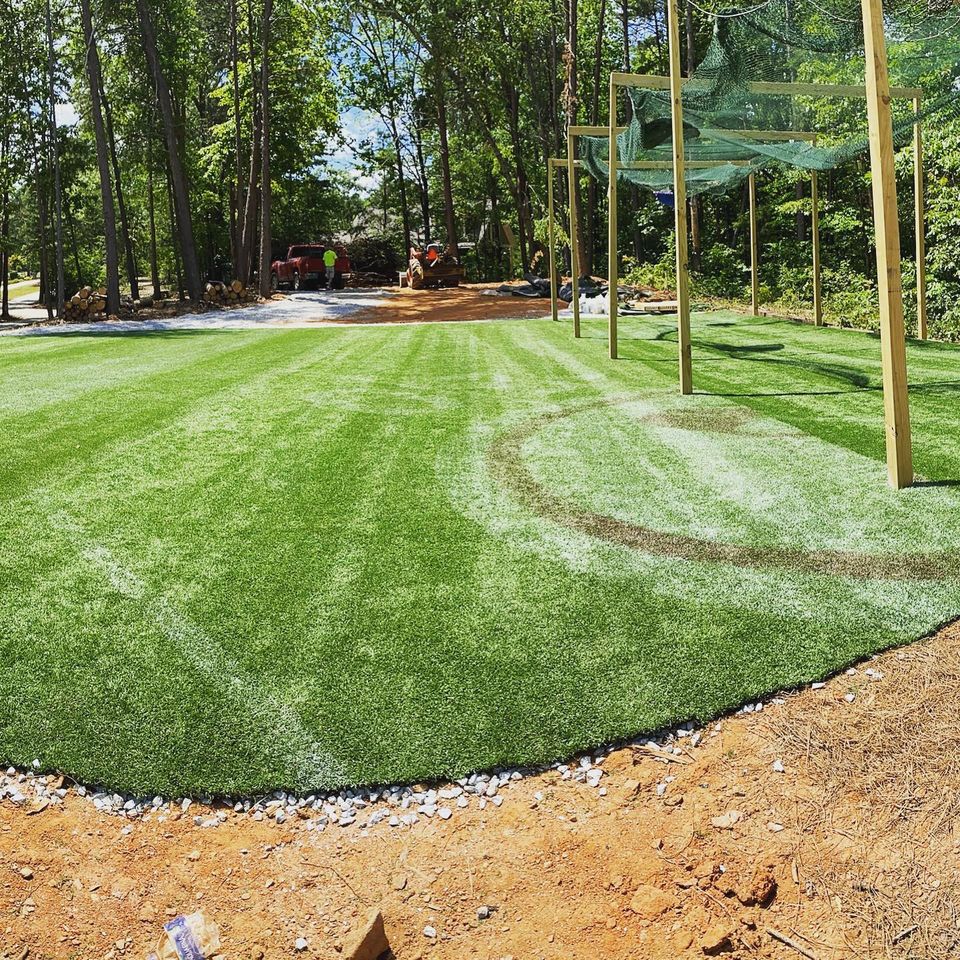
Used turf often comes from athletic fields, so markings are common. These may include yard lines, hash marks, numbers, boundary lines, logos, or colored paint.
For some projects, markings are no big deal. A gym, batting cage, play area, training facility, or utility space can often absorb those markings without the surface feeling wrong. In some sports-related spaces, markings may even fit the setting.
For other projects, markings can be a dealbreaker. A backyard lawn, patio, paver strip, front yard, pool lounge area, or commercial display usually looks better without obvious field lines.
All-green used turf can be a good option when available, but it may cost more than heavily marked used turf because it is easier to use in more settings.
Before buying used turf, ask yourself where the markings will land. If you can position, trim, or hide them, used turf may still work. If visible markings would bother you, choose new turf, remnants, or all-green used turf when available.
How Durability Should Affect Your Decision
Durability is not as simple as new equals strong and used equals weak. Some used turf comes from sports fields, which means it may have been built for serious foot traffic. Even after prior use, it may still be significantly tougher than new landscape turf. That can make used turf appealing for gyms, batting cages, dog runs, and high-use utility areas.
New turf gives you more control over the durability profile. You can choose a product meant for pets, landscape use, sports, playgrounds, or putting greens. You also get the full unused life of the product.
Remnants depend on the original product. A remnant from a high-quality turf roll can be excellent. A remnant from a lighter-duty product may be better suited to decorative or lower-traffic areas.
The best durability question is not “Is this artificial turf new or used?” It’s “Was this turf built for the way I plan to use it?”
A soft landscape turf may look great but struggle under heavy gym sled work. A used athletic turf may not look perfect but handle abuse better. A new pet turf may outperform both in a dog area because it is better suited to drainage and cleaning.
How Shipping and Unloading Should Affect Your Decision
Artificial turf is heavy. Large rolls can be very heavy. Used turf rolls, especially reclaimed athletic turf, may arrive in large sections that require planning, equipment, or multiple people to unload and move.
Before ordering, buyers should understand how delivery works. Will the turf arrive by freight? Will someone need to be present? Is liftgate service available? Can the delivery truck access the property? Who is responsible for unloading? How will the roll be moved once it is off the truck?
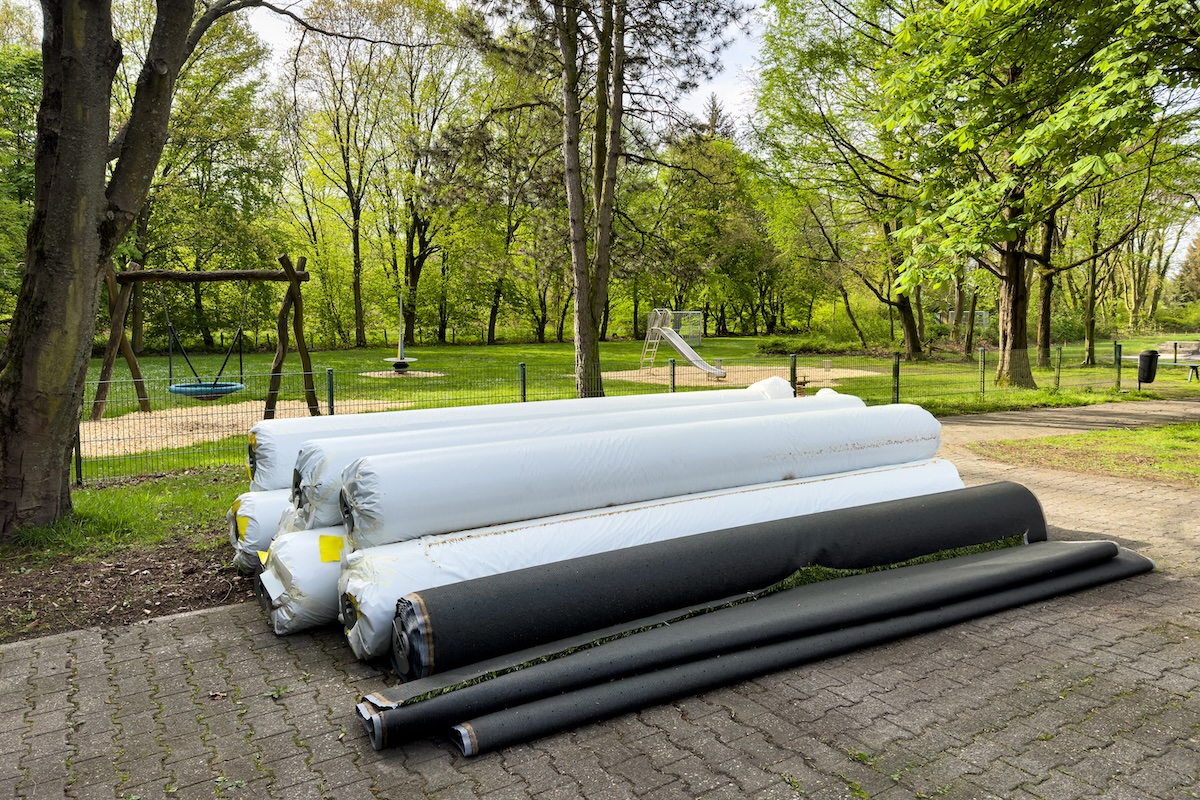
New turf, used turf, and remnants can all involve shipping logistics, but used turf buyers are often more surprised by roll size and weight because they are thinking about savings first.
For small remnants, handling may be much easier. For large used turf rolls, unloading can become a project of its own.
This does not mean you should avoid used turf. It means you should plan for the physical reality of the material.
How Installation Should Affect Your Decision
New turf is usually easier to plan because the roll is more predictable. You can order the size, prepare the base, lay out the turf, trim it, secure it, add infill if needed, and finish the edges.
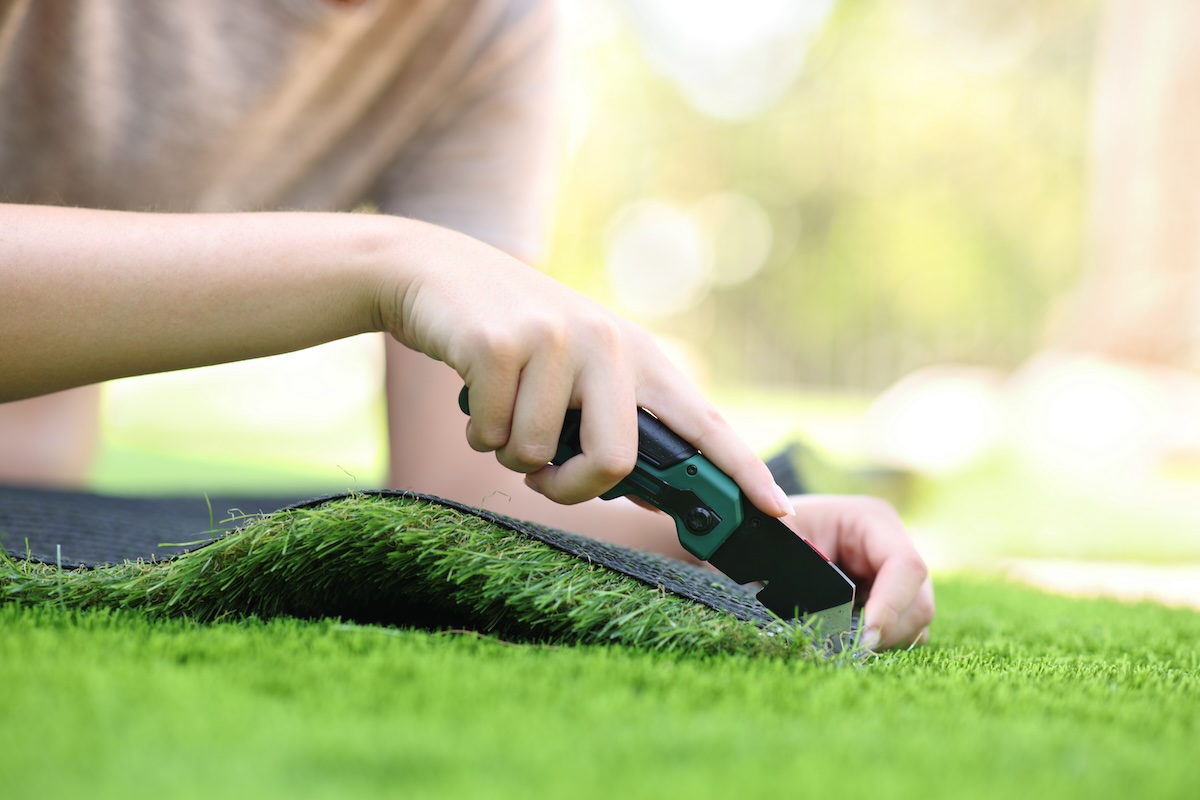
Used turf can require more flexibility. You may need to trim rough edges, position markings, work around prior seams, remove remaining infill, brush the blades, or make peace with some variation. Used turf may also be heavier or stiffer depending on its age, backing, and storage.
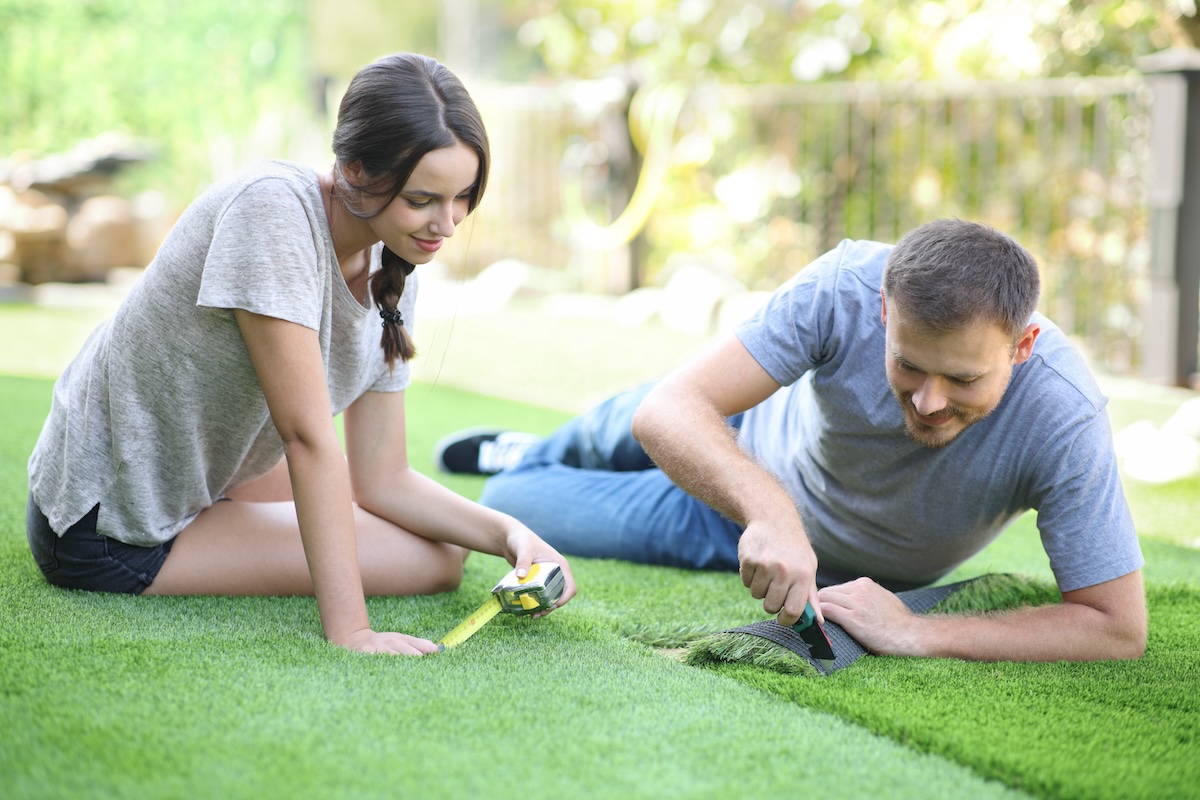
Remnants can be very DIY-friendly because they are often smaller and easier to handle. That makes them useful for small projects, paver strips, patios, balconies, and dog areas. The challenge is measuring. If you cut a remnant too tightly or forget the blade direction, you may not have extra material to fix the mistake.
For any turf type, the base is critical. A bad base can create wrinkles, soft spots, drainage issues, uneven seams, and edges that do not sit right. Buyers often focus on the turf itself, but the ground underneath does a lot of the work.
How Budget Should Affect Your Decision
Budget is usually the reason people compare new vs. used artificial grass in the first place.
Used turf is often the lowest-cost option per square foot, especially for large projects. If you need a lot of coverage and can accept cosmetic variation, used turf can stretch the budget much further.
Remnants can be cost-effective for small projects because they help avoid overbuying. A full roll may be too much for a small patio or paver strip. A remnant may let you buy closer to the amount you need.
New turf usually has the highest upfront product cost, but it may be the better value when appearance, product consistency, and long-term satisfaction are priorities. If you buy used turf to save money but dislike the way it looks, the savings will not feel very satisfying.
The best budget decision accounts for the whole project: turf, base materials, adhesive or fasteners, infill, delivery, unloading, labor, waste, seams, tools, and cleanup.
A cheap turf order can become frustrating if it requires more patching, trimming, or problem-solving than expected. A more expensive order can be worth it if it reduces uncertainty and gives you the finish you wanted.
A Simple Decision Guide
Choose new artificial turf if the space is highly visible, appearance is important, you want a specific product style, you do not want markings, or you want the fewest condition-related surprises.
Choose used artificial turf if you need affordable coverage, can work with field markings or signs of prior use, have a practical project, and are comfortable with freight, unloading, trimming, and some variation.
Choose artificial turf remnants if your project is smaller, you want unused turf, you can work within available sizes, and you want to avoid buying more material than necessary.
For many buyers, the decision comes down to tolerance for imperfection. New turf reduces uncertainty. Used turf reduces cost. Remnants reduce waste and can give smaller projects a new-turf finish.
Best Uses for New Artificial Turf
New turf is usually the right fit for:
- Residential lawns
- Front yards
- Pool areas
- Modern patios
- Putting greens
- Pet areas where drainage and odor control are a top priority
- Commercial displays
- Rooftop or balcony spaces
- High-visibility landscaping
- Premium backyard designs
- New turf is also the better choice when you want the finished space to feel planned from the beginning rather than adapted around available material.
Best Uses for Used Artificial Turf
Used turf is usually the right fit for:
- Batting cages
- Sports training areas
- Garage gyms
- Commercial gyms
- Dog runs
- Kennel areas
- Muddy side yards
- Utility areas
- Play zones
- Temporary event flooring
- Farm or equipment areas
- Large budget-conscious backyard projects
- Used turf can also be a good choice when the project does not require perfect color consistency or a polished residential-lawn look.
Best Uses for Artificial Turf Remnants
Artificial turf remnants are usually the right fit for:
- Small patios
- Paver strips
- Stepping-stone paths
- Balconies
- Small dog relief areas
- Side yards
- Play corners
- Garage gym strips
- Trade show displays
- Decorative accents
- Small DIY projects
Remnants are especially useful when the project is visible but not huge. You get the benefit of unused turf without committing to a larger order than needed.
More Things to Ask Before Buying Any Turf
Before buying new, used, or remnant artificial turf, it helps to ask a few practical questions.
- How large is the area?
- Is the space highly visible?
- Will pets use it?
- Will people train, run, drag equipment, or hit baseballs on it?
- Do you care if markings are visible?
- Can the project handle seams?
- What base will go underneath?
- Does the space need strong drainage?
- How much waste should you plan for?
- Can you unload and move the turf when it arrives?
- Do you need a specific roll width?
- Are you comfortable trimming and fitting the material?
- Would cosmetic variation bother you later?
Those questions are simple, but they prevent a lot of regret.
Common Mistakes Buyers Make
- One common mistake is buying used turf only because it is cheaper, without thinking about where it will go. Used turf can be excellent in the right setting, but it may disappoint in a polished, high-visibility area if the buyer expected new-turf appearance.
- Buying new turf for a rugged utility project where used turf would have been more than good enough. If the surface is going into a batting cage, gym lane, or low-visibility dog run, new turf may not be necessary.
- Overlooking remnants. Many small projects do not need a full roll or a large used section. A remnant can be easier to handle, easier to justify, and better suited to the project size.
- Underestimating turf weight. A roll of turf can be awkward, heavy, and difficult to move. Delivery and unloading should be part of the plan, not an afterthought.
- Lastly, buyers sometimes treat the turf as the whole project. The base, drainage, edging, seams, infill, and installation details all affect the final result. Better turf will not fix a poorly prepared base.
How ReTurf Fits Into the Decision
ReTurf is especially helpful for buyers who are trying to sort through the practical differences between used turf, new turf, and brand-new remnants. And that’s important because this is not a one-size-fits-all product category. A buyer looking for a polished backyard “artificial lawn” will need different guidance than someone building a batting cage. A dog owner will likely need a different setup than a gym owner. A paver project may call for pieces of remnant turf, instead of a large used roll.
Used turf can be an excellent value when the buyer understands condition, markings, sizing, delivery, and installation. Brand-new remnants can be a great answer for smaller projects that need a more finished appearance. New turf can be the better investment when consistency and appearance are the highest priority, and a large area needs to be covered.
Final Recommendation
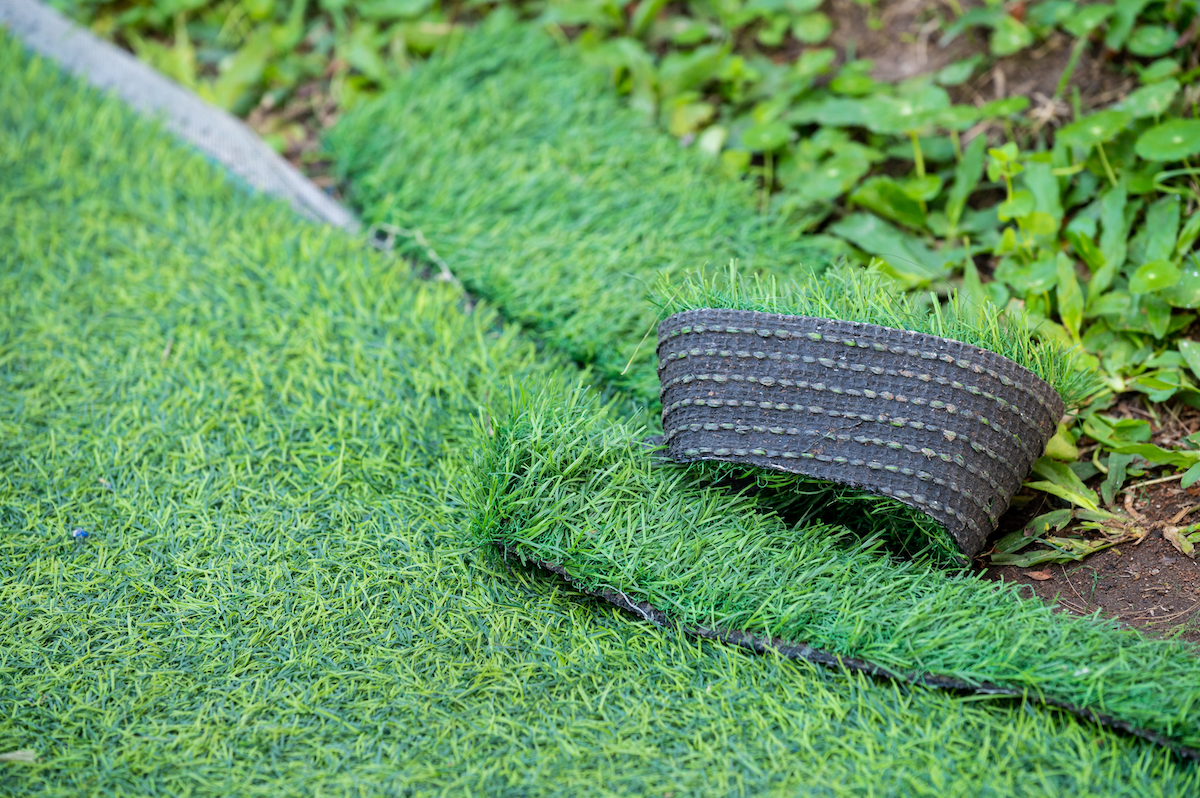
For most buyers, the best choice comes down to where the turf is going and how much visual perfection the project requires.
- Choose new artificial turf when the finished look is the priority.
- Choose used artificial turf when coverage, durability, and value are the priority.
- Choose artificial turf remnants when the project is smaller and you want unused turf without overbuying.
Secondhand turf is not automatically second-rate. New turf is not automatically the smartest buy. Remnants are not scraps to ignore. Each option has a place.
The happiest buyers usually aren’t the ones who found the cheapest turf or the fanciest turf. They’re the ones who knew what they were getting, planned for the practical parts, and chose the option that made the most sense for their project, budget, delivery setup, installation, and finished look.
Have Questions Before You Choose?
If you’re not sure whether new turf, used turf, or a remnant is the right fit, ReTurf can help you think it through before you order. Our team is happy to answer questions, talk through your project, and help you plan around size, condition, delivery, unloading, installation, and budget.
Give us a call at (828) 518-5787 or click here to contact us by email.