
Last Updated on January 21, 2026 by ReTurf
Why Used Artificial Turf Deserves a Second Look
Artificial turf has been a game-changer for sports fields, playgrounds, and commercial landscaping projects—but what happens when that turf reaches the end of its first use? That’s where the secondary turf market comes in.
In many cases, fields are replaced not because the turf is unusable, but because performance standards for professional play demand near-perfect conditions. That opens the door for cost-effective reuse in lower-impact settings.
Repurposed artificial turf offers a smart, cost-effective option for everything from training fields to backyard projects. It’s durable, versatile, and often still has years of usable life left. And when it’s sourced, cleaned, and prepped properly, it can perform exceptionally well in a wide range of applications. (Some common uses include pet areas, gym flooring, batting cages, DIY putting greens, and even erosion control.)
This guide breaks down what you need to know about buying and using used artificial turf—how it’s sourced, what condition it’s typically in, what to look for, and how to install and maintain it. Whether you’re outfitting a large facility or building a home project on a budget, used turf can be a sustainable, practical solution.
Benefits of Using Used Artificial Turf
The pros of used artificial turf extend beyond affordability:
Environmental Benefits
The essence of sustainability is embedded in the concept of used artificial turf. Re-using synthetic turf directly supports waste reduction and resource conservation—two pillars of practical sustainability. Each square foot of repurposed turf helps divert non-biodegradable material from landfills, many of which are already overwhelmed with construction and industrial waste.
A full-size sports field can contain over 80,000 square feet of synthetic turf, which would otherwise take centuries to break down in a landfill. ReTurf addresses this challenge at scale by systematically recovering and processing turf from stadiums, schools, and training facilities across the U.S.
What makes that approach noteworthy is—besides the sheer volume of turf reclaimed—the efficiency and consistency of ReTurf’s specific recovery process. Turf is inspected, cleaned, sorted by condition, and either resold for secondary use or responsibly disposed of when truly end-of-life. This system helps extend the useful lifespan of materials that would otherwise be wasted and reinforces a circular economy model within the turf industry. For contractors, municipalities, or private buyers looking to reduce their environmental footprint, sourcing reclaimed turf is one of the most immediate and measurable steps they can take.
Cost Benefits
One of the most compelling reasons to consider used turf is cost—especially for large-scale or budget-conscious projects. New synthetic turf can cost anywhere from $4 to $10 per square foot installed, depending on the quality and infill system. In contrast, reclaimed turf from ReTurf can often be sourced at a fraction of that cost, with material prices ranging from $0.50 to $2.00 per square foot, depending on the grade and condition. That cost difference can translate to tens of thousands in savings for full-field or multi-zone projects.
ReTurf offers two main categories: Basic Turf, which generally comes from older fields (typically 10–12 years old), and Premium Turf, which is reclaimed earlier in its lifecycle—often from practice fields, underused stadiums, or facilities that replaced turf for cosmetic or branding updates. Premium options may retain thatch layers, logo markings, or root zone infill, making them particularly valuable for buyers looking for performance-ready material. Regardless of grade, all turf is cleaned, inspected, and evaluated to ensure it meets baseline performance and safety standards before resale. For schools, gyms, homeowners, or commercial developers, used turf offers a way to control project costs without compromising utility or aesthetics.
Durability
Used turf doesn’t necessarily mean worn out—especially when it’s been properly sourced, inspected, and reconditioned. Modern turf systems are built to last, with polyethylene and polypropylene fibers engineered to resist UV degradation, heavy foot traffic, and repeated weather cycles.
While new turf begins with a crisp, upright blade structure, years of use gradually soften and curl the fibers, a process known as fibrillation. This natural wear actually enhances comfort underfoot, reduces glare, and gives the turf a more organic, grass-like appearance—especially valuable in landscaping and residential settings.
ReTurf capitalizes on this by offering reclaimed products that have already gone through this “break-in” period, making them particularly well-suited for non-competition applications like pet zones, training areas, pathways, or indoor surfacing. Before anything is resold, each roll is inspected for structural integrity—including seam strength, infill presence, and backing condition. Damaged sections are either repaired or trimmed out entirely. The end result is a product that still has years of functional life, especially when installed in lower-impact environments. For buyers focused on long-term value and performance, used turf—when properly vetted—delivers surprising resilience and flexibility.
Used artificial turf is a practical option that combines lower cost, long service life, and reduced waste—making it a smart choice for a wide range of projects.
Sources of Used Turf
Artificial turf has become a preferred choice in various settings, leading to its widespread installation and, eventually, the need for its replacement and repurposing.
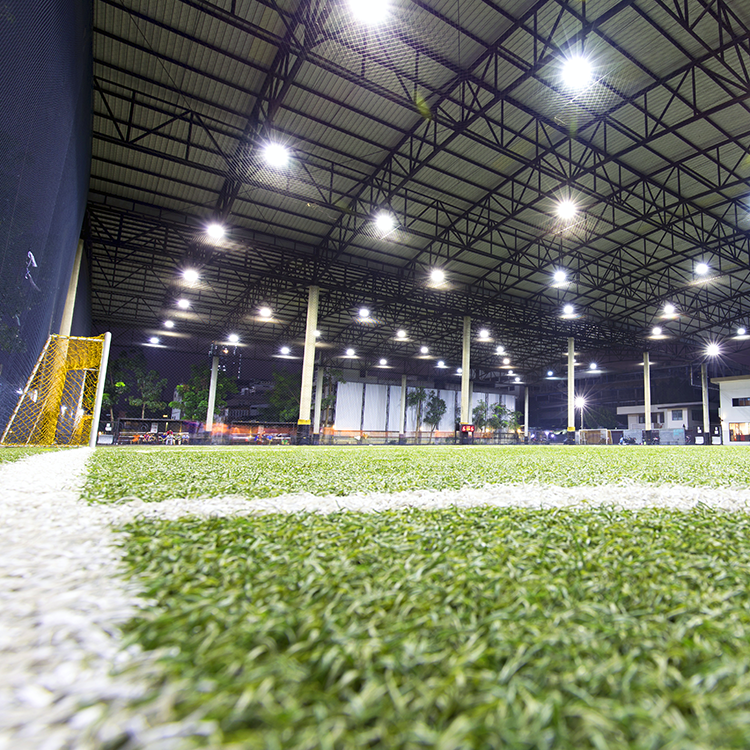
Sports Fields: One of the most prominent sources of used turf is sports fields. From grand stadiums that host major league games to school playgrounds and community center arenas, these fields see years of active use. Over time, as these fields need upgrading or replacement, companies like ReTurf step in to recover and repurpose the old turf.
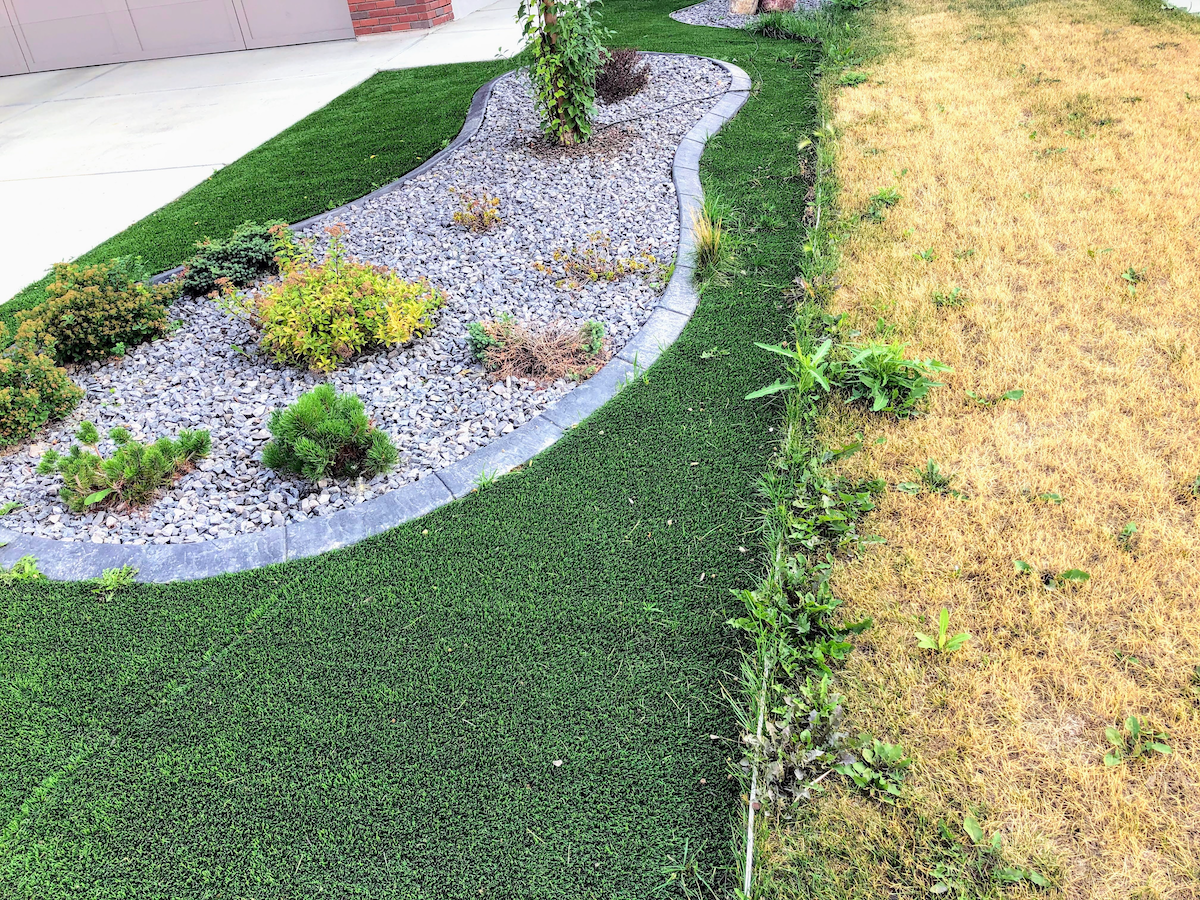
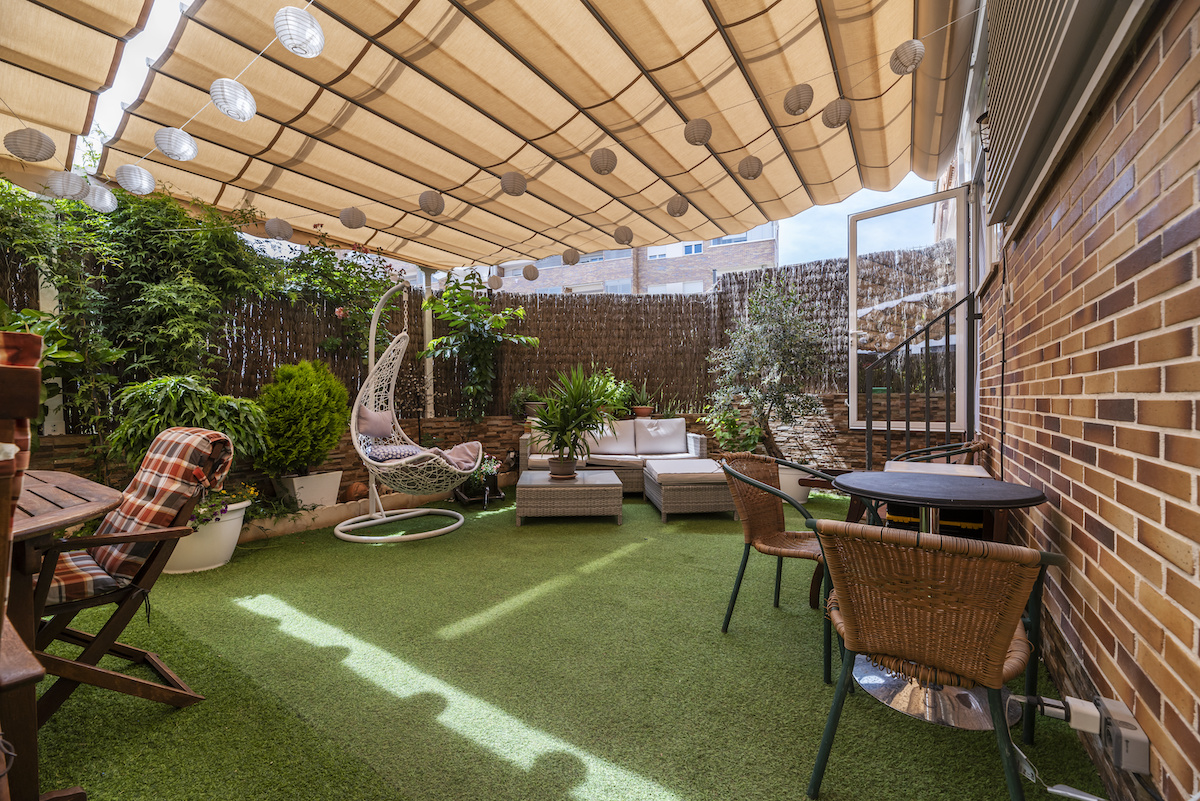
Landscaping Projects: Homeowners and businesses alike have recognized the benefits of artificial turf in landscaping. Yards, pool decks, and patio coverings are just a few of the areas where artificial turf is commonly used. As design trends change or the turf ages, there’s an opportunity for repurposing.
Commercial Spaces: Beyond the typical sports and landscaping applications, commercial spaces, including event venues and office complexes, have started adopting artificial turf for its aesthetic and functional benefits.
Ensuring Quality: ReTurf’s commitment to quality is unwavering. Whether sourcing from a high-profile stadium or a local school, each piece of turf undergoes a rigorous recovery process. Damaged areas are fixed or removed, and special grades like Premium Turf are set aside due to their unique features. This attention to detail ensures that every product, from Logo Turf to All-Green Turf, meets the highest standards of quality and durability.
The Process of Returfing
The art of returfing involves the careful replacement or reinstallation of artificial turf. It’s akin to replacing an old carpet with a new one, ensuring a seamless transition without the need for a complete overhaul. Here’s a detailed look into this procedure:
Preparing the Area: When replacing old turf with new material, the groundwork is already in place, but some preparation is still needed. The existing turf must be carefully removed, ensuring minimal disturbance to the base. Once removed, the soil or base should be inspected for any inconsistencies, damage, or settling. Any required adjustments or repairs should be made to guarantee the new turf sits perfectly.
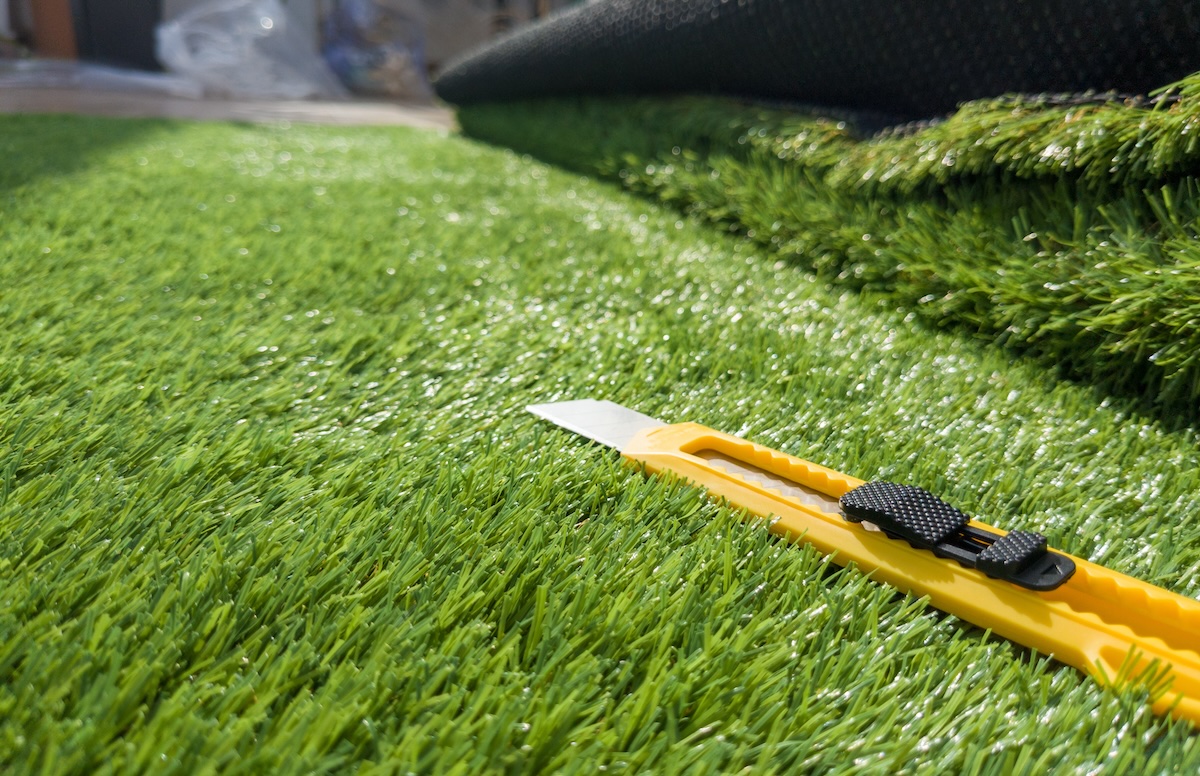
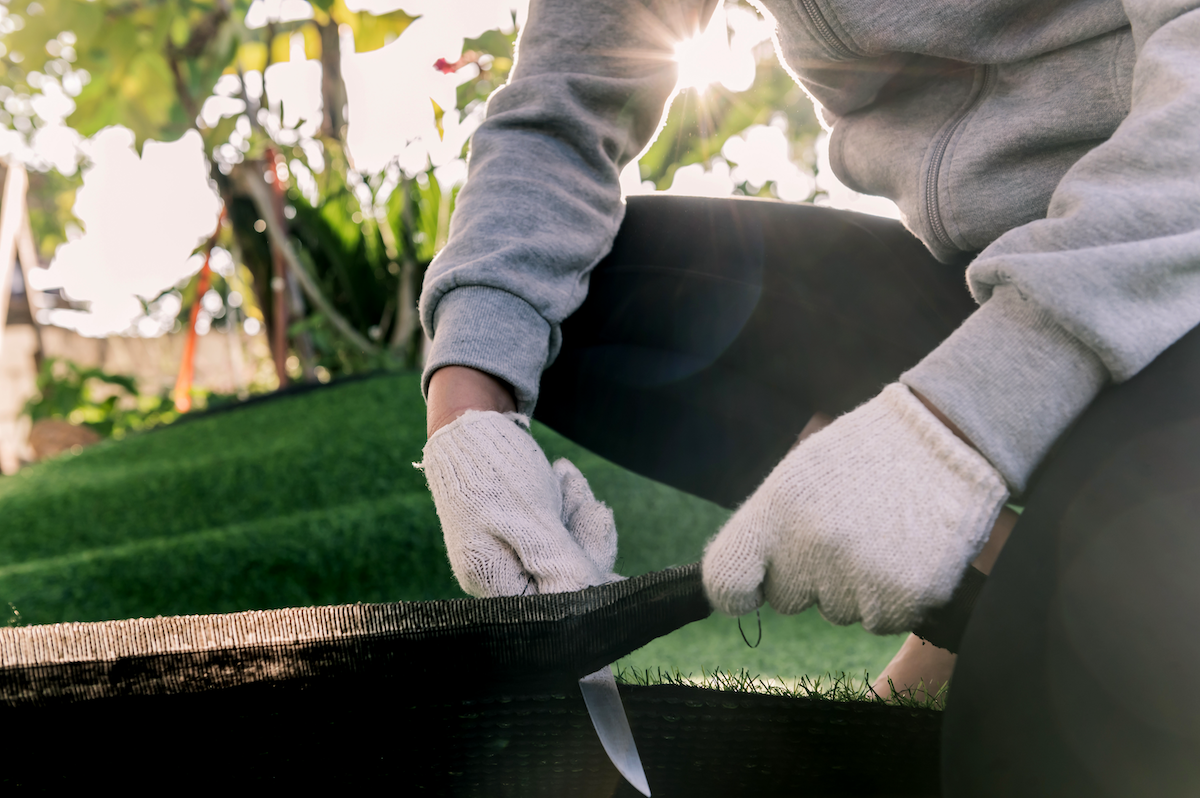
Measuring and Cutting the Turf: Returfing demands precision. The new turf, whether it’s ReTURF’s Premium or Basic grade, or something else all together, must be measured and cut to fit the existing area perfectly. This ensures that there are no overlaps or gaps, which can affect the turf’s appearance and functionality.
Laying Down the Turf: With the area prepared and the turf measured and cut, the next step is installation. This involves rolling out the turf and ensuring it aligns correctly with the designated space. The expertise of ReTurf’s skilled staff proves invaluable here, ensuring a flawless laying process.
Securing and Finishing Touches: Once laid, the turf needs to be securely fastened to prevent any movement or lifting. Edging materials and fasteners, as recommended by ReTurf’s consulting team, play a crucial role here. Finally, any additional touches, such as adding infill or paint markings, are done to give the turf a fresh and rejuvenated look.
ReTurf’s team offers technical assistance, guiding individuals through the entire preparation and installation process.
Care and Maintenance of ReTurfed Areas
Once the process of returfing is complete, ensuring the longevity and aesthetic appeal of the turf becomes paramount. Proper care and maintenance can significantly extend the life of the turf and keep it looking as good as new.
- Cleaning: Used artificial turf, with its unique characteristics, requires regular cleaning to maintain its appearance. Simple methods include regular brushing to keep the fibers upright and remove any debris. For more thorough cleaning, a gentle rinse with water can help wash away dust and minor stains, ensuring the turf retains its fresh look.
- Dealing with Wear and Tear: While used turf from ReTurf is durable, minor wear and tear are natural over time. Regular inspections can help identify areas that might need attention. Small tears or separations can often be fixed with the appropriate seaming materials provided by ReTurf. For more significant issues, consulting with ReTurf’s technical team can provide guidance on repairs or replacements.
- Seasonal Considerations: Different weather conditions can have varied effects on artificial turf. In areas prone to snow, it’s advisable to clear accumulated snow to prevent weight-induced damage. During hotter months, occasional rinsing can prevent the buildup of static electricity and keep the turf cool.
Creative Uses of Used Turf
Used turf isn’t limited to sports fields or basic lawn replacements. Its durability, ease of installation, and visual appeal make it a versatile material for a wide range of creative and functional applications—indoors and out, residential or commercial.
Residential Projects
Used turf offers homeowners an affordable way to upgrade spaces without the upkeep of natural grass. Common uses include:
- Backyards & Side Yards: Replace worn-out grass with low-maintenance turf for a cleaner, greener look.
- Children’s Play Areas: Create cushioned, mud-free zones under playsets or in treehouse builds.
- Pet Runs: Turf holds up well to pet traffic and is easy to clean, making it ideal for designated pet areas.
- Garage & Basement Flooring: Turf adds traction and comfort in utility spaces—great for home gyms or workshop areas.
- Creative Builds: We’ve seen it used for DIY putting greens, balcony flooring, and even interior feature walls in creative spaces.
Commercial Applications
For businesses, used turf can be both a design element and a practical surface upgrade. It works especially well in:
- Event Venues: Create a green, finished look at indoor or outdoor pop-up events and exhibitions.
- Retail Displays: Add contrast and texture to product staging areas without committing to permanent flooring.
- Rooftop Lounges or Break Areas: Turf adds a soft, natural feel underfoot—especially in urban spaces where greenery is limited.
- Temporary Installations: Its portability and modularity make turf a go-to for trade shows, experiential marketing setups, and seasonal outdoor spaces.
Community & Public-Space Projects
Used turf can play a major role in budget-conscious public initiatives:
- Parks & Pocket Greenspaces: Ideal for adding usable green zones in high-traffic or low-maintenance areas.
- Schoolyards & Daycare Centers: A safer, cleaner surface for kids to play on—especially where budgets don’t allow for new turf.
- Community Gardens: Turf pathways help reduce mud and erosion in high-use areas.
- Urban Placemaking: For city planners, turf offers a fast, low-maintenance way to soften hardscapes and introduce color.
The ReTurf Difference: Redefining Artificial Grass
The artificial turf industry is vast, with many players, but ReTurf has carved out a niche, setting itself apart through a unique blend of experience, quality, and commitment to sustainability.
With decades under its belt, ReTurf understands the intricacies of the artificial turf world. They’ve witnessed its evolution, identified its challenges, and developed solutions that give used turf a renewed purpose. This journey isn’t just about repurposing an old product; it’s about understanding its inherent potential molded through years of use.
A distinguishing aspect of ReTurf is the breadth of the product range. Whether it’s the Premium Turf, known for its special features, or the resilient Basic Turf that’s seen a decade of vibrant sports events, ReTurf offers choices to cater to diverse needs. And for those seeking something a bit different, the Logo Turf or Game-Marked Turf brings an added dimension to spaces.
Beyond the tangible products, ReTurf’s service spectrum ensures clients are supported at every step. From tailored product consulting to expert installation guidance, the team is equipped to handle varying project demands. Their services extend to:
- Technical Assistance: Offering guidance through the preparation and installation phases.
- Installation Services: Ensuring the turf is perfectly laid out.
- Product Consulting: Providing advice on the right turf and accompanying materials.
- Flexible Delivery & Pickup: Convenient options to suit client logistics.
Sustainability is at the heart of ReTurf’s operations. In an era where environmental concerns are paramount, ReTurf’s endeavors to repurpose used turf highlight a commitment to eco-friendly practices.
Additionally, the backing of UDC Sports provides ReTurf with an expansive knowledge base, from netting and scoreboards to comprehensive field renovations. This affiliation amplifies the holistic value that ReTurf offers to its clients.
Choosing ReTurf isn’t just about purchasing a product; it’s about investing in a vision, a team, and a future where quality and sustainability coexist seamlessly.

The ReTurf Commitment
Artificial turf has changed the way we build fields and landscapes—but like any material, it has a life cycle. ReTurf focuses on what happens after that cycle ends.
They don’t just offer used turf for sale. They rethink how turf is used—offering a range of reclaimed turf options, custom solutions like logo and game-marked turf, and support that goes beyond the shipment. Whether you’re covering a field, building a facility, or looking for a smart way to stretch a budget, their team brings both product and insight to the table.
Their partnership with UDC Sports only reinforces that focus: practical, high-quality solutions for sports facilities and beyond.
Bottom line? If you’re planning a returfing project and care about both cost and sustainability, ReTurf is a solid place to start.