Last Updated on December 23, 2025 by ReTurf
Landscaping probably isn’t the first thing you think about when you’re dealing with a rental property. It’s not as urgent as a leaky roof or a busted water heater. But over time, it adds up. Messy yards drag down curb appeal, spark tenant complaints, and make turnovers harder than they need to be—especially in rental homes where outdoor maintenance often falls through the cracks.
A patchy lawn or backyard full of weeds might not kill a deal outright, but it’s definitely the kind of thing that leaves a bad impression with tenants. Those small annoyances tend to snowball. Tenants may stop taking pride in the space, and disengage from outdoor upkeep. Yard care gets skipped for a long period of time. Suddenly, you’re dealing with a rental property that just looks and feels tired before the next lease even starts.
That’s where artificial turf for rental properties can start to make a lot of sense. Forget the plastic-looking artificial grass from years ago. Today’s turf looks cleaner, holds up better, and cuts down the number of things that can go sideways between tenants. Artificial turf is one of those landscaping upgrades that smooths things out for property owners and managers. It keeps outdoor areas looking put-together without constant oversight, and it works just as well whether you’re managing a single rental home or a full portfolio of properties.
What Artificial Turf Is
As mentioned above, modern artificial turf has come a long way since the old, carpet-like “fake grass” of the ’70s and ’80s. Today’s turf is engineered with layers, most typically a combination of polyethylene or polypropylene blades (those are your “grass” fibers), a primary backing for structure, a secondary backing for stability, and infill to help the blades stand upright and feel more natural underfoot.
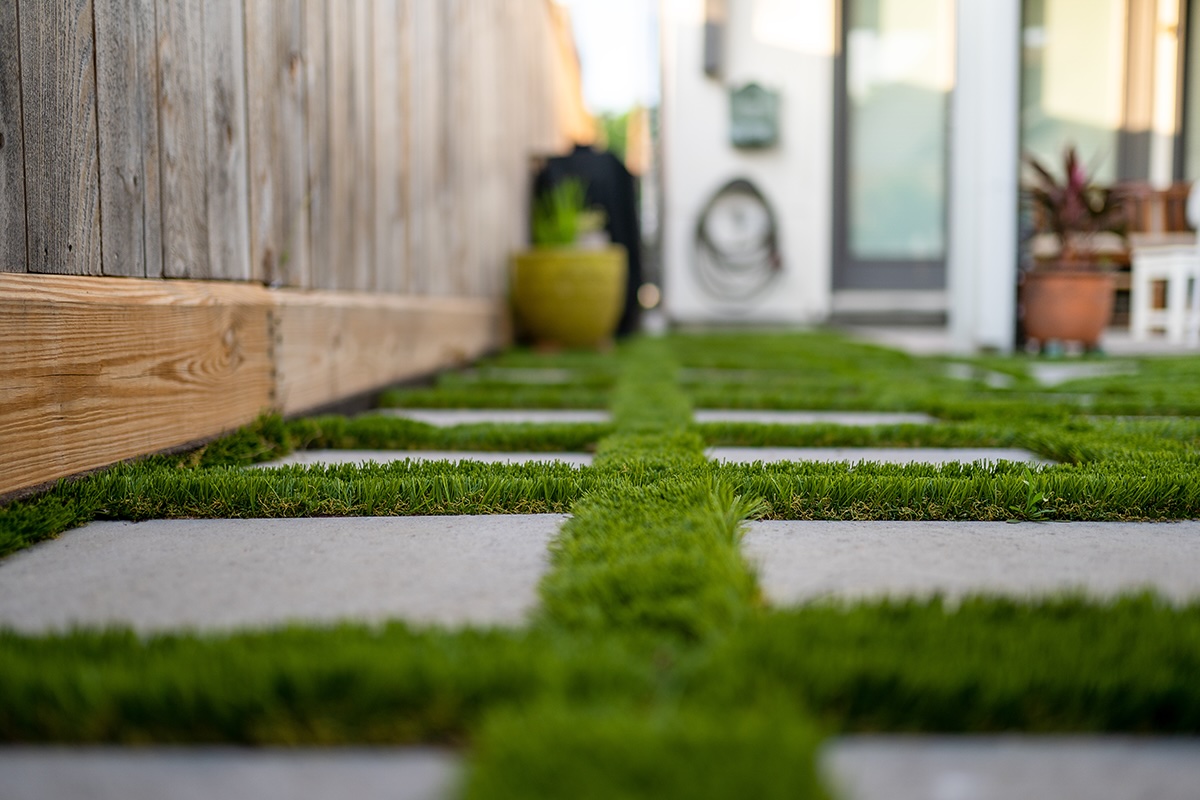
You’ve got variations in pile height (the length of the fibers), blade shape (some are designed to reduce glare or feel softer), and backing permeability (important for drainage, especially with pets). And while it’s still technically synthetic, the look and feel can get remarkably close to the real thing, especially in areas where natural grass tends to struggle.
Some turf products even mimic regional grass types, like fescue or Bermuda, so you can match the look of a traditional lawn without all the upkeep. And when you factor in infill choices (the material brushed into the turf to help the blades stand upright and improve durability), you start to see how customizable the whole system is. For rental properties, that means you can select turf that fits the wear-and-tear profile of the space—softer and springier for a backyard play area, more durable and flat for a shaded side yard that sees less use. If you’ve ever had to re-sod a lawn twice in one year because it just wouldn’t take, this level of control feels like a win.
Now, a big part of the innovation has come from where turf is used. It’s not just for stadiums anymore. You’ll find it in high-end home developments, commercial courtyards, dog parks, and more recently rental properties where consistency and reduced maintenance are important.
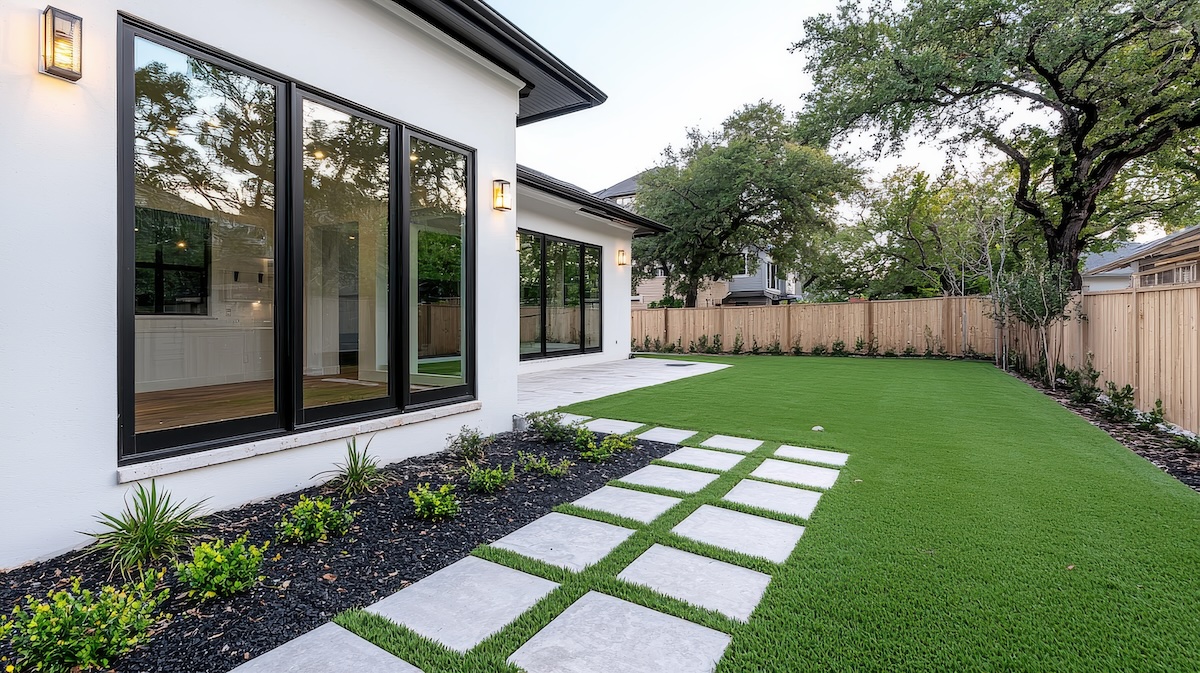
That shift in where turf shows up has changed how it’s made, too. Manufacturers aren’t just designing for sports performance anymore, they’re building products that need to look good under patio lights, stay cool in the summer, and hold up when someone’s dragging patio furniture across it or setting up a kiddie pool in July.
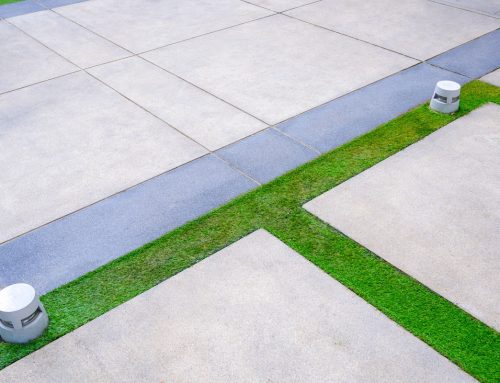
You’ll even see turf used in vertical installations, or combined with pavers/hardscape designs to break up concrete-heavy yards.
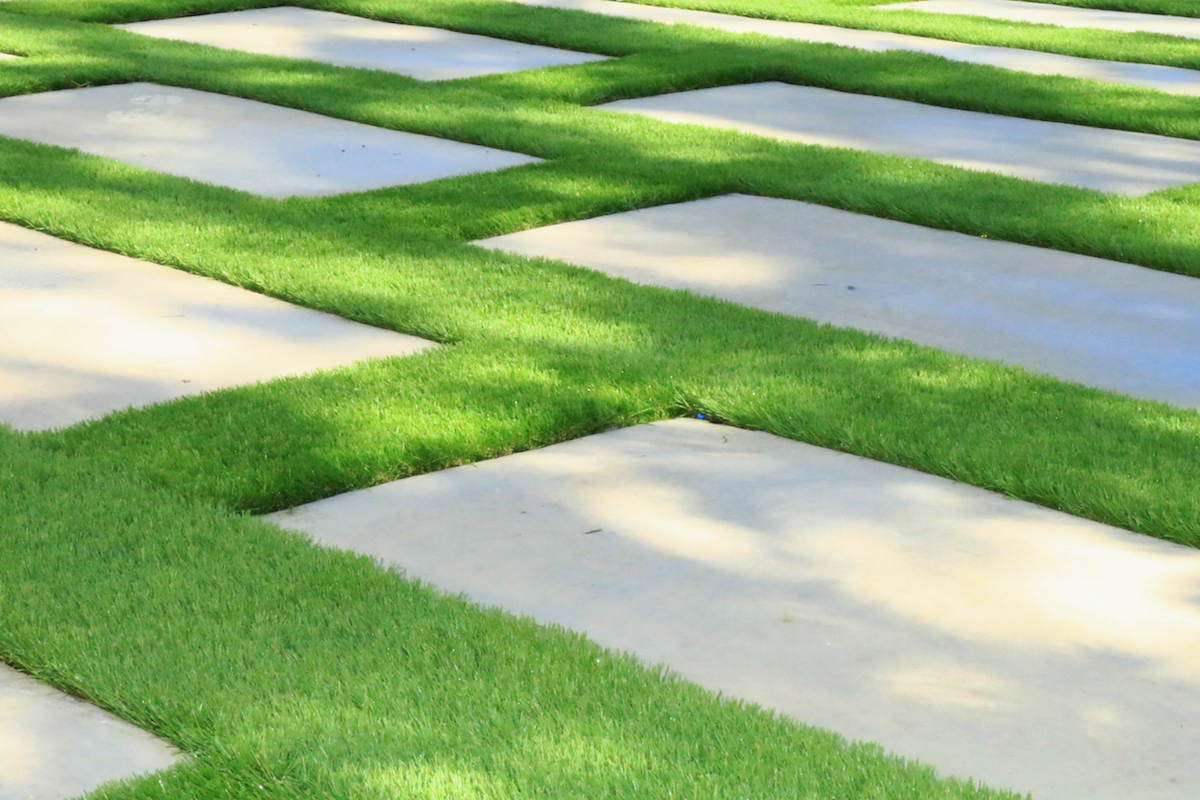
For rental owners, this opens up new possibilities—not just for replacing lawn space, but for solving tricky layout problems. Narrow side yards, shady corners where nothing grows, small shared courtyards that always turn into a mess? Turf gives you a way to finish those spaces and make them usable, without the maintenance issues of living grass.
Artificial Turf vs. Natural Grass in Rentals
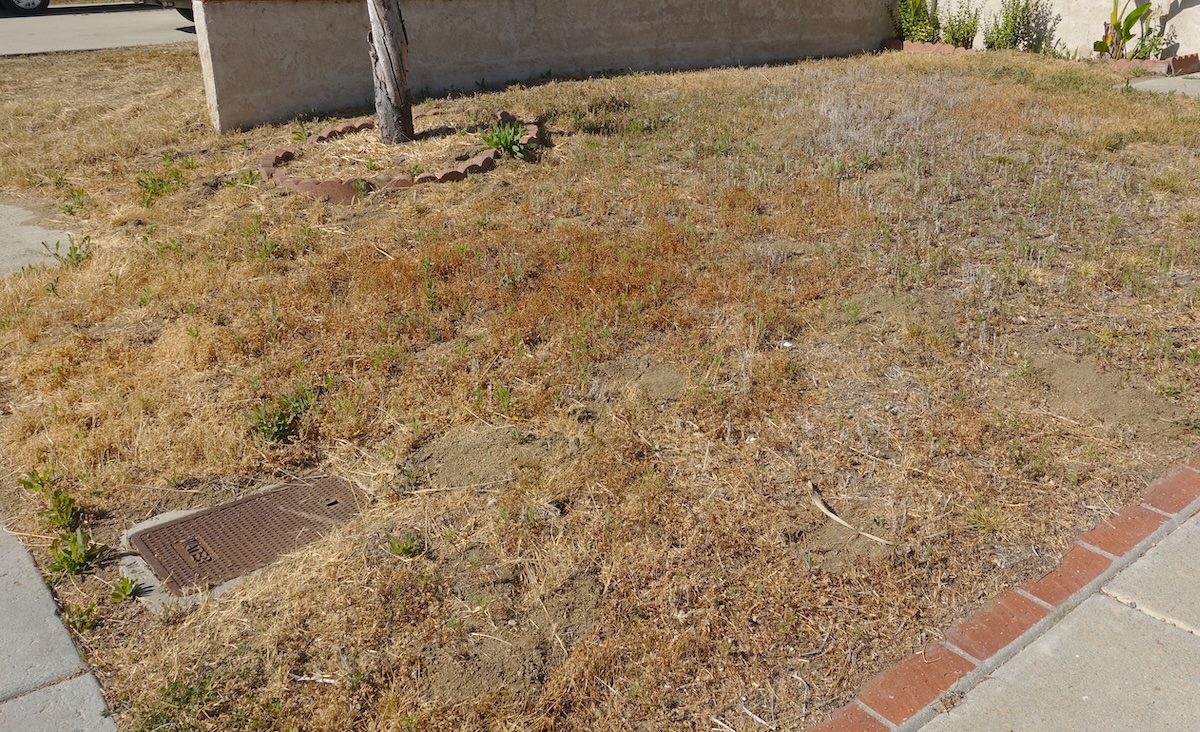
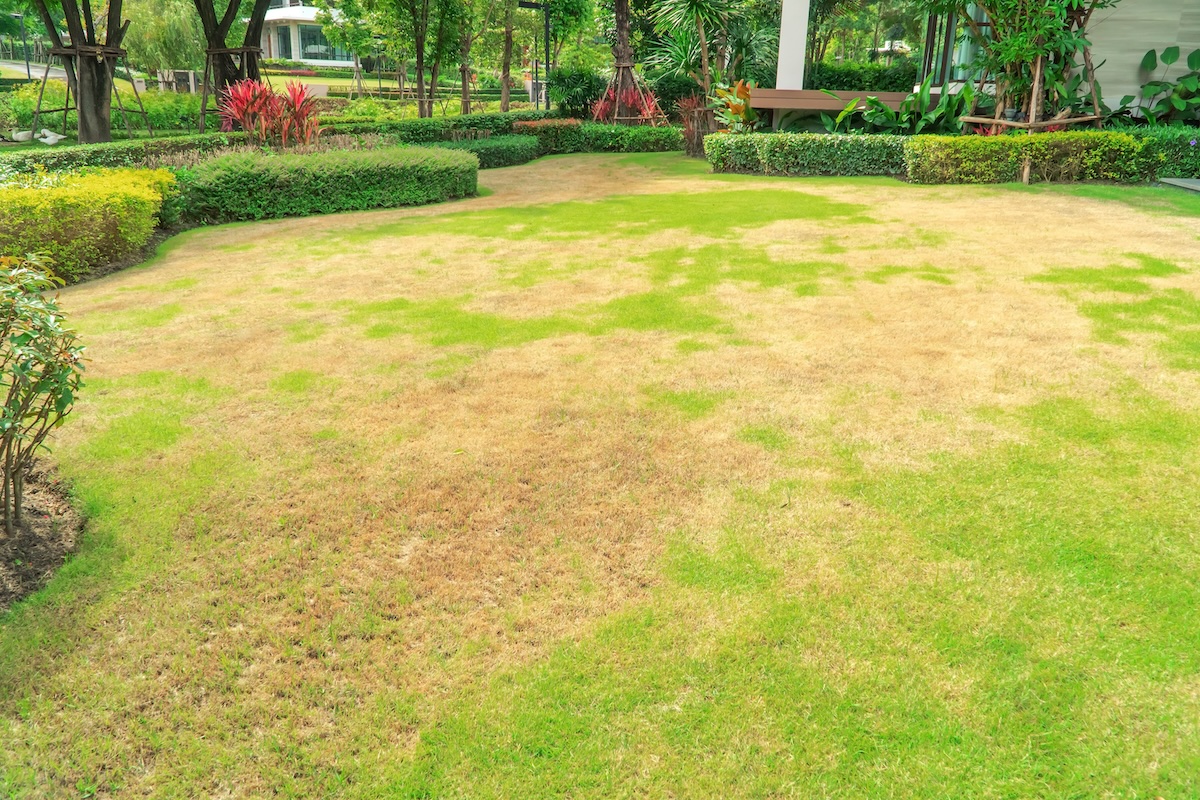
Natural grass looks great on the day it’s installed and freshly mowed—but it’s a living thing, and it doesn’t care about your leasing schedule. If the tenant forgets to water it (or waters too much), if there’s a drought, if the lawn service skips a week, or if the dog digs a trench by the fence, the yard can go downhill fast. There are also pests and diseases to worry about. And once it’s patchy or bare, it’s not bouncing back overnight.
Artificial turf sidesteps most of that. There’s no mowing, no watering, no fertilizing, no seeding. You don’t have to schedule landscapers around tenant move-ins, and you’re not relying on renters to care for the yard like it’s their own (because it’s rarely going to be treated like a long-term home).
For turnover prep, you’re not worrying about getting sod to take root in a backyard three days before a showing. The turf just… is. Same yesterday, same today, same when the next tenant moves in.
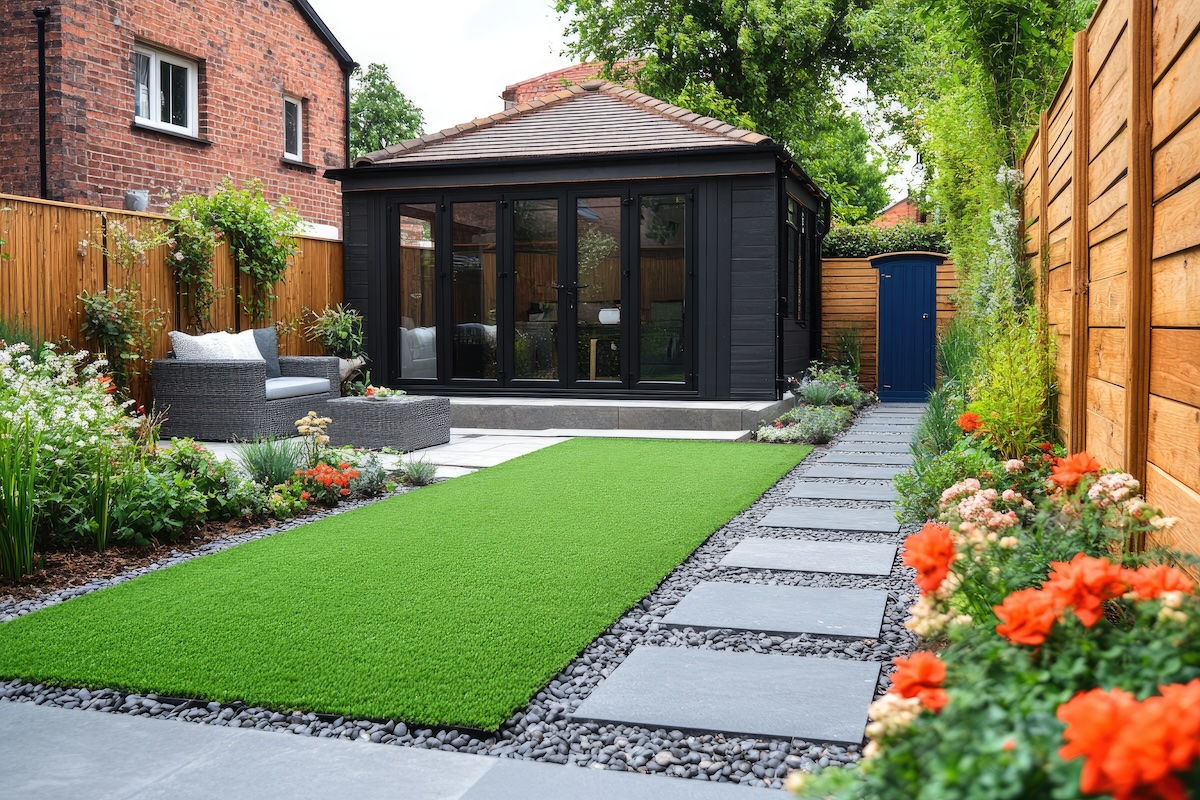
It’s this kind of consistency that makes turf an increasingly common choice in rentals. There’s less variability, fewer surprises, and fewer calls that start with “The yard looks terrible, and…”)
Cost Effectiveness of Installing Artificial Turf for Rental Homes
Upfront, artificial turf typically costs more compared to sod/natural grass. Installation can run significantly more than sod or even seed. But here’s the key: you’re not paying to mow it every week, water it every other day, or repair it every spring. The cost curve is front-loaded, but it flattens out quickly.
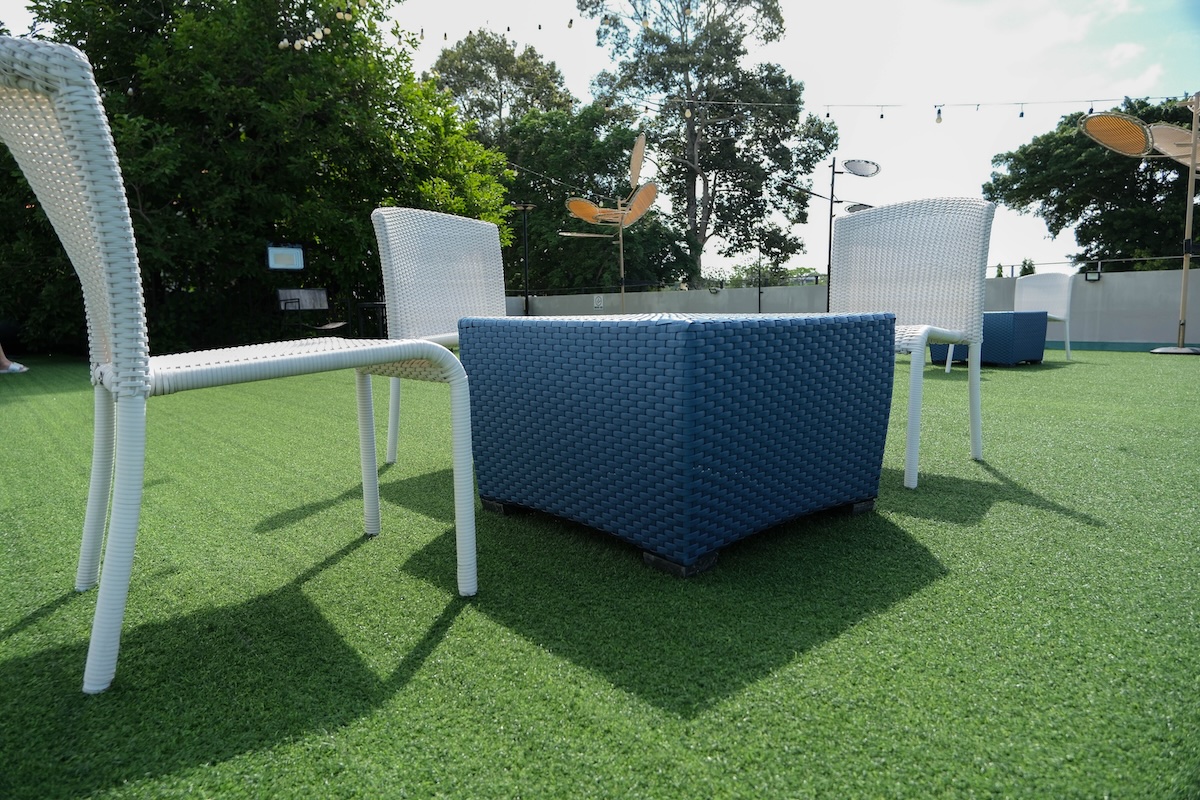
If you’re holding the property long-term or managing multiple units, you start to see the return. No lawncare contracts. No irrigation system blowouts. No surprise reseeding bills. That kind of predictability matters when you’re budgeting at scale.
For most owners, it’s not about beating the price of natural grass in year one—it’s about knowing what your landscaping costs will be in years five, six, and seven. Turf doesn’t eliminate maintenance altogether, but it makes it a lot more predictable. A quick brooming here, some infill top-off there, maybe the occasional rinse if you’ve got pets in the mix. That’s a lot easier to plan for than the dense jungle a natural lawn can become after weeks of tenant neglect and a bunch of rain or a heat wave.
Used or reclaimed artificial turf can be a practical option for small, defined areas on rental properties. For spaces like narrow side yards, pet runs, utility corridors, or low-visibility corners, previously installed turf that’s still structurally sound can deliver many of the same benefits as new material—reduced mud, lower maintenance, and a consistently finished look—at a lower upfront cost. When properly cleaned, trimmed, and installed over a prepared base, used artificial turf can perform well in these limited applications, and there is premium used turf for sale that can be used when aesthetics are important. For rental owners looking to improve usability in problem areas without over-investing, reclaimed turf offers a cost-conscious, environmentally sensible alternative worth considering.
Tenant Experience
Tenants don’t necessarily move into a property because of the turf, but it can absolutely be a tie-breaker. A clean, consistent, green lawn—especially one that doesn’t go brown in the summer or turn into a mud pit in the winter—is a low-key quality-of-life boost.

From a usability perspective, turf is great for pets, great for kids, and even works well for entertaining. It doesn’t get soggy when it rains, which means fewer complaints about the dog tracking in mud or the patio area becoming unusable.
And from a care standpoint, tenants generally appreciate not having to mow or manage a yard. Depending on your lease terms, this could even be a selling point—especially for younger renters, busy families, or anyone not looking to spend Saturday morning behind a push mower.
Visually, it offers a “done” look. The yard looks complete, and that adds to the overall perceived value of the home or unit. Especially in competitive rental markets, that can nudge someone from “maybe” to “let’s fill out an application.”
Performance in Rental Environments
Rental properties can be hard on yards. People move in and out, dogs are everywhere, kids set up inflatable pools or bounce houses, someone parks on the edge of the lawn during a party—and suddenly that nice patch of St. Augustine is toast.
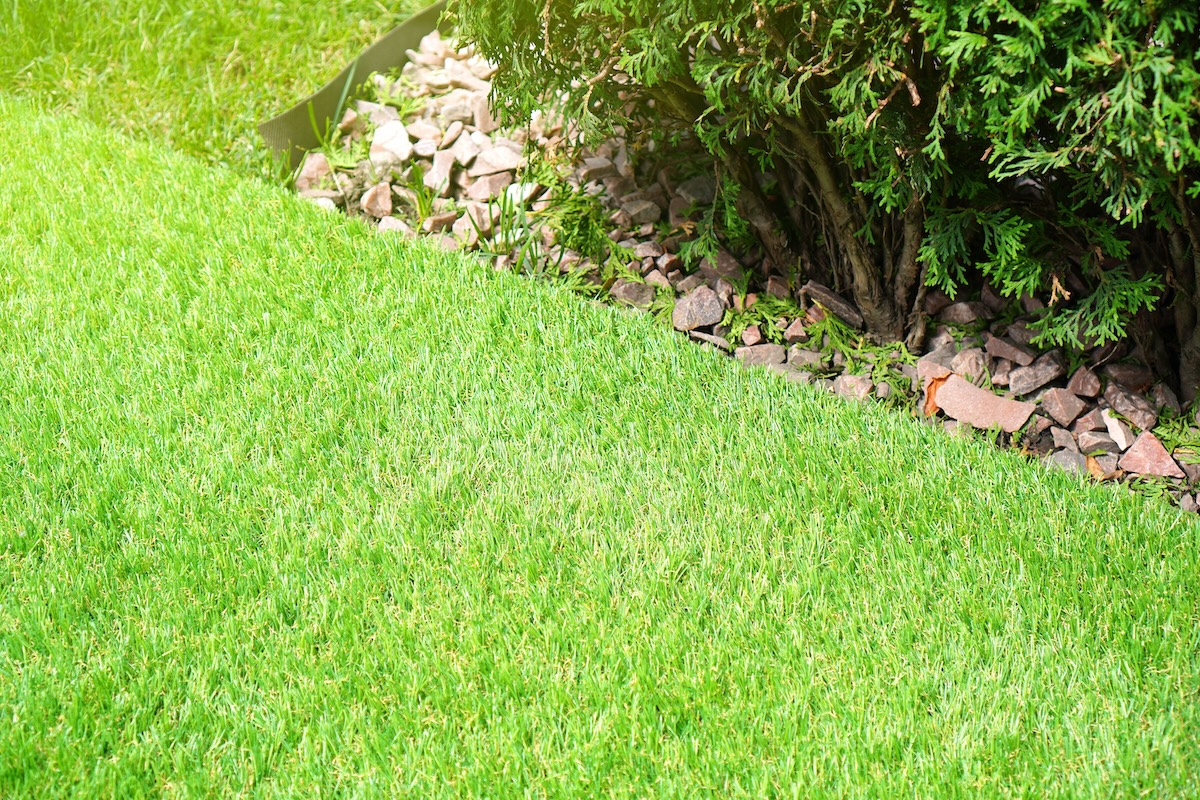
High-quality artificial turf handles that abuse better. It’s designed to take foot traffic, UV exposure, and—depending on the product—even moderate pet activity without falling apart. Most turf systems have a multi-year lifespan, and the better installations can go a decade or more before needing serious attention.
That said, it’s not indestructible. Dragging heavy furniture across it can cause wear, and sharp objects can puncture it. But compared to a natural lawn, it’s far less susceptible to the death-by-a-thousand-cuts routine that comes with renters who mean well but don’t treat the yard like it’s their forever home.
Environmental Considerations
Turf isn’t alive, so it doesn’t use water. That’s a big deal in regions where water restrictions or conservation goals come into play. A typical lawn can consume thousands of gallons per month in hotter climates, especially if the tenant or landscaper is heavy-handed with the irrigation.
There’s also no fertilizer, no pesticides, and no gas-powered mowers, which can matter if you’re trying to reduce the overall environmental impact of your properties or just keep things simpler.
That said, there’s always nuance. Turf is synthetic, and it may not seem the most green at first glance, especially if it isn’t one of the rare kinds of recyclable turf. But in rental properties—where low maintenance and durability are often the bigger priority—it’s generally seen as a net gain in resource efficiency, especially over the long haul. (For more information, see: What We Mean By “Save Some Green”)
Property Management Benefits
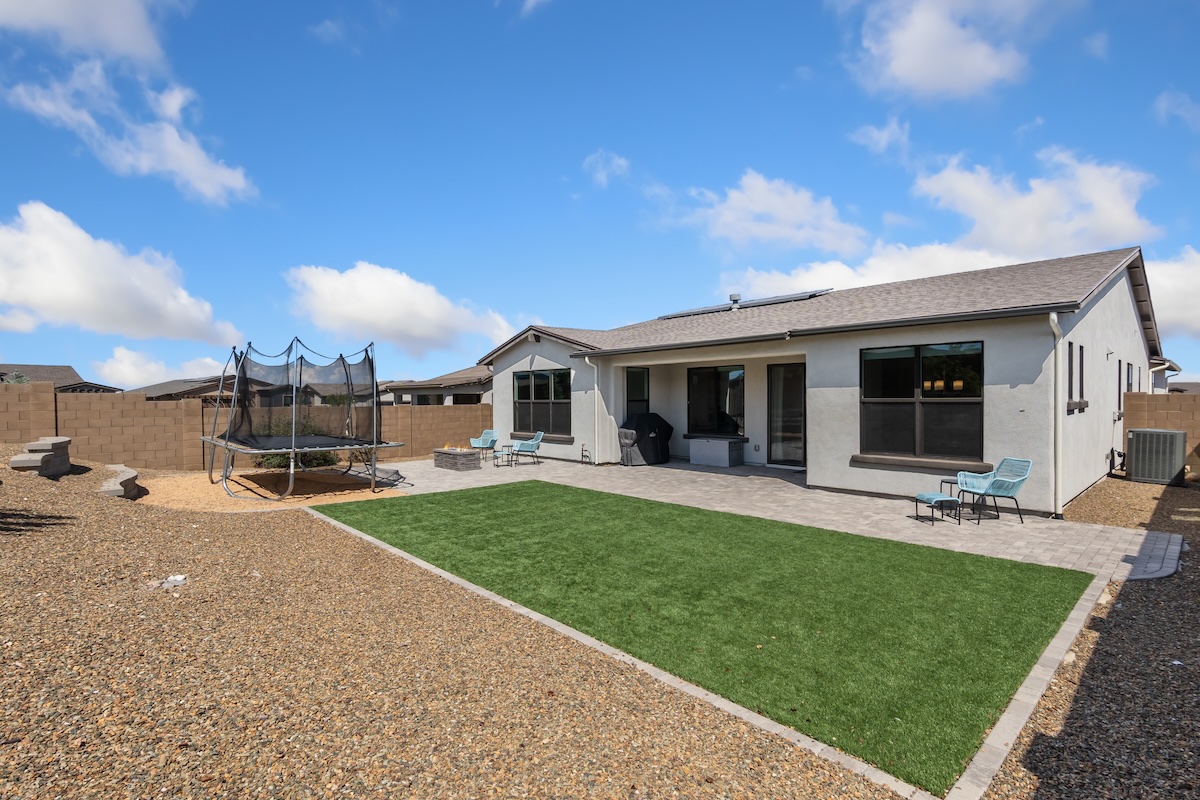
From a management perspective, turf simplifies a lot of little things that would otherwise eat up your time. There are fewer landscaping complaints, fewer contractor coordination issues, and fewer disputes over whether the tenant “killed the yard.”
In multifamily settings, it also helps with standardization. All the units get the same look, the same performance, the same maintenance routine. That makes things easier for your grounds crew or your vendors, and it reduces the friction that comes with trying to balance cost and fairness across units.
It also helps with storm-related cleanup. Turf doesn’t wash away in heavy rain, and there are no erosion or bare patches that need reseeding. In some ways, it just takes one more variable off your plate—which, when managing multiple doors, is worth more than most people realize.
Ideal Use Cases for Artificial Grass on Rental Properties

Turf works best in places where consistency is important. Note that it doesn’t have to be the entire yard, either. Many rental owners use it selectively:
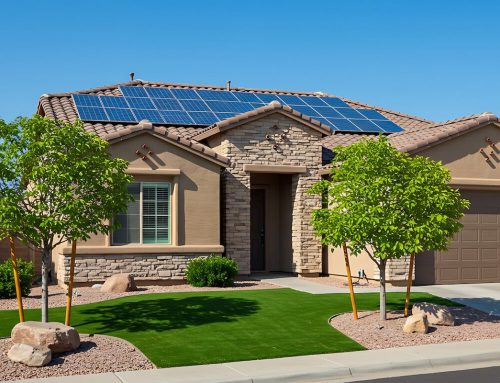
- Front Yards: Keeps curb appeal sharp without relying on tenant maintenance. Especially useful in single-family properties or duplexes where the front yard is visible but not heavily used.
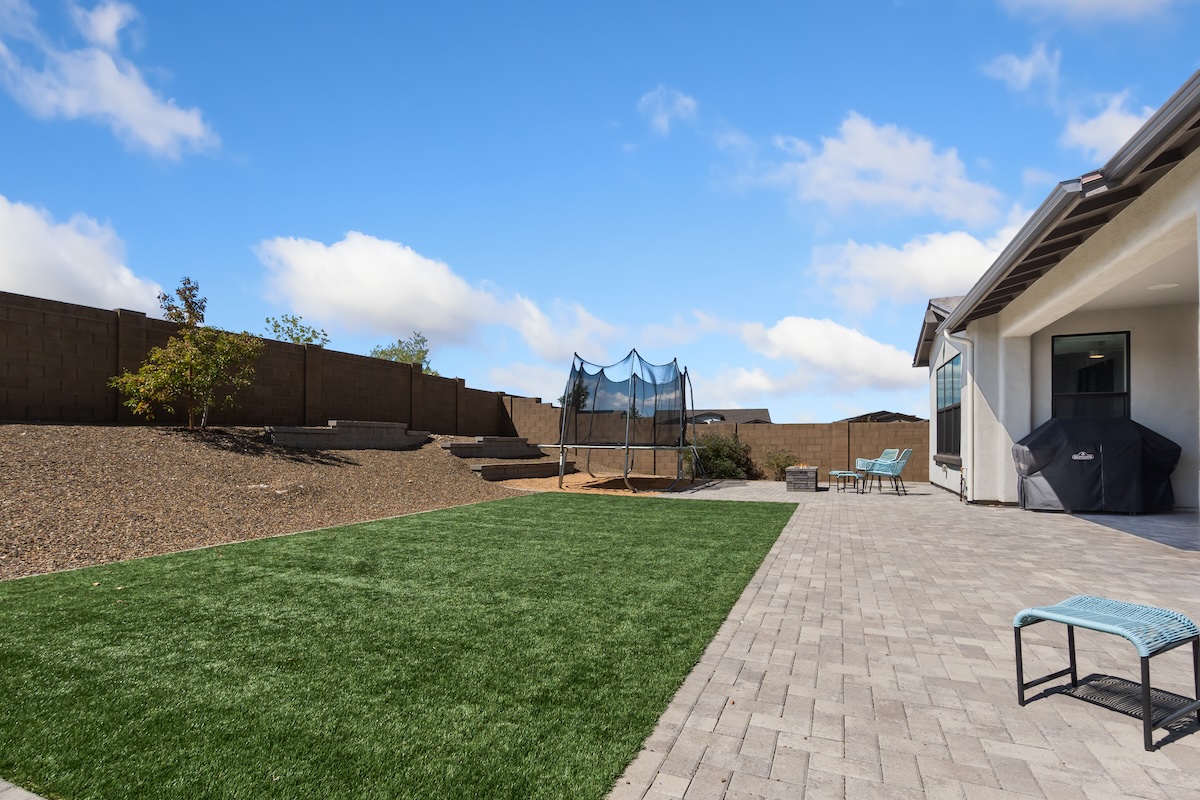
- Backyards: Great for play areas, pet runs, or just reducing mud and maintenance. Works especially well when paired with pavers, gravel, or decking.
- Common Areas: In multifamily setups, turf can upgrade courtyards, shared grilling areas, or small gathering zones with minimal upkeep.
- Pet Areas: Turf with appropriate infill and drainage makes for a clean, low-odor solution in dog runs or side yards.
- High-Traffic Zones: Narrow side yards, between-building strips, or mail kiosk areas benefit from a durable surface that stays neat-looking even with regular foot traffic.
Mixing turf with other hardscape or low-maintenance landscaping options (like gravel beds, mulch, or low-water plantings) can also create a nice balance—functional, tidy, and not overly artificial-looking.
When Artificial Turf May Not Be the Right Choice
Artificial turf works well for many rental properties, but like any upgrade, it isn’t universal. There are a few scenarios where it may not be the best first move—or where it needs to be approached more thoughtfully.
- In very hot, full-sun climates, artificial turf can run warmer than natural grass, particularly during peak afternoon hours. In practice, this is already a familiar condition for many outdoor surfaces in those regions—concrete, pavers, and decking included. With basic design considerations like shade, lighter infill, or heat-reducing turf systems, it’s rarely a functional issue. It tends to matter most in areas intended for extended barefoot use during the hottest parts of the day, rather than for general yard use or typical rental living.
- There are also situations where artificial turf may be unnecessary. If you already have a genuinely low-maintenance yard that stays healthy between tenants, requires little oversight, and doesn’t generate recurring landscaping costs, the return on switching to turf may be marginal. In practice, turf tends to work best on properties where grass struggles, tenant upkeep can be uneven, or maintenance consistency is hard to guarantee over time.
- In high-end or luxury rentals, artificial grass can be a strong choice when it’s treated as part of an overall landscape design. Paired with quality hardscape, established trees, and intentional lighting, turf can deliver a clean, resort-like look with far less maintenance. As with any premium finish, success comes down to execution—i.e. using the right materials and designing the space to meet the expectations of the renter you’re targeting.
- Remember that installation quality is more important with turf than with many other landscape options. A rushed or poorly prepared install can lead to drainage issues or uneven surfaces, which undercuts the benefits. For owners unwilling to invest in proper prep and materials, it may be better to wait than to cut corners.
For most rental properties, these are considerations—not deal breakers. When turf is chosen intentionally and installed correctly, it still delivers the consistency, durability, and reduced maintenance that make it attractive in the first place. The key is matching the solution to the property, rather than forcing a one-size-fits-all approach.
Evaluating Turf Quality & Installation
Pile Height
Taller fibers (1.5–2 inches) tend to look more lush but may require more infill to stay upright. Shorter piles are easier to maintain and hold up better in high-traffic rental use.
For rentals, you’re usually better off erring on the side of function over fluff. A short, durable pile doesn’t just resist matting—it also makes it easier to clean up debris, spot pet messes, and avoid that “trampled look” after a few lease cycles.
Unless you’re going for a luxury aesthetic for a premium listing, a middle-of-the-road pile height can deliver a good balance between visual appeal and longevity. Just keep in mind that too short can start to look like putting green turf, so there’s a sweet spot in the 1.25–1.5 inch range for most residential applications.
Blade Shape and Density
Some blades are shaped for resilience, others for realism. Higher blade density typically means better appearance and wear resistance but comes at a higher price.
For rental use, look for turf with a decent density rating—measured in face weight or stitch rate—but don’t get hung up on going top-tier. What you want is something that bounces back well after traffic and doesn’t look sparse or flat when viewed from the curb. Blade shape plays into this too: ‘W’ or ‘C’ shaped blades may hold their form better and handle heat more effectively for installations in full sun. If the yard will get regular use—kids, pets, gatherings—it can be worth spending a bit more here to avoid redoing it later.
Backing
A solid, dual-layer backing adds durability and prevents early separation. For rentals, this is worth prioritizing—especially if there’s pet activity or weather exposure.
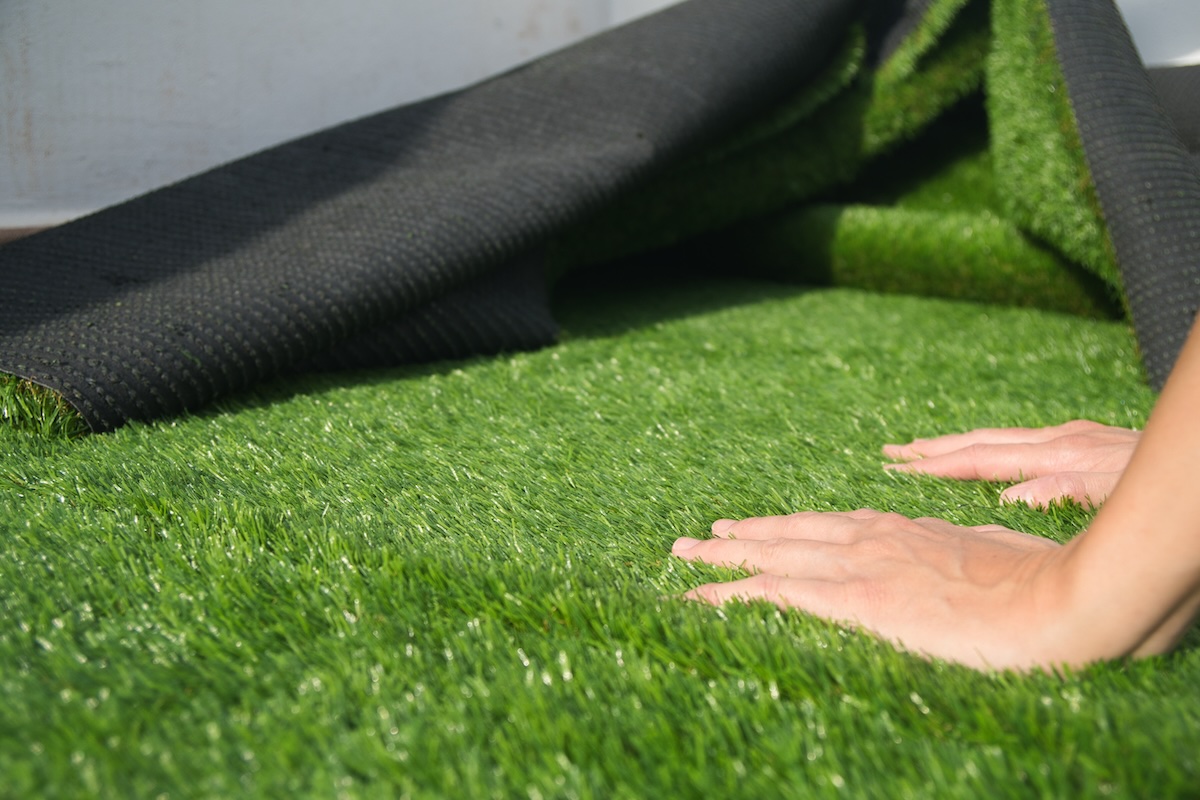
The backing is what holds everything together, so skimping here is like buying nice carpet with no padding. For rental properties, where tenants may drag furniture, set up inflatable pools, or hose off patios regularly, you want backing that can take stress without stretching, cracking, or separating. Urethane or latex-backed turf tends to perform well, especially if it’s stitched tightly. If you’re working with a landscaper, ask to see a cross-section sample—it’ll give you a clearer picture of what’s holding the turf together under the surface.
Drainage
Perforated backing is standard for drainage, but the drainage rate (how fast water moves through) varies. For pet areas or rainy climates, faster drainage = fewer issues.
This is one of the most overlooked specs, especially by first-timers. Turf that doesn’t drain well becomes a sponge—and that’s not what you want underfoot after a rainstorm or when pets go to the bathroom outside. Higher drainage rates are naturally important in areas with heavy rain or frequent rinsing. For dedicated pet areas, there are also fully permeable backings that allow water to flow straight through every layer—not just through punch holes—which can drastically reduce pet odor buildup and drying time.
Infill
This is the material added between the blades to weigh the turf down and support the fibers. Common options include silica sand, rubber granules, and specialty blends. Some are pet-safe or anti-microbial. Choose based on how the area will be used.
Infill choice affects everything from appearance to temperature to how the turf feels underfoot.
- Sand is budget-friendly and fine for low-use areas, but in high-traffic or pet zones, you may want to step up to coated sand or antimicrobial infills that reduce odor and bacteria.
- Rubber infill can feel softer but can retain more heat than sand.
- There are even infills designed to help drop surface temps on hot days.
For rentals, it can be a good idea to choose something low-maintenance and stable, because once it’s installed, most tenants aren’t going to be out there grooming the turf or topping off infill levels.
Installation
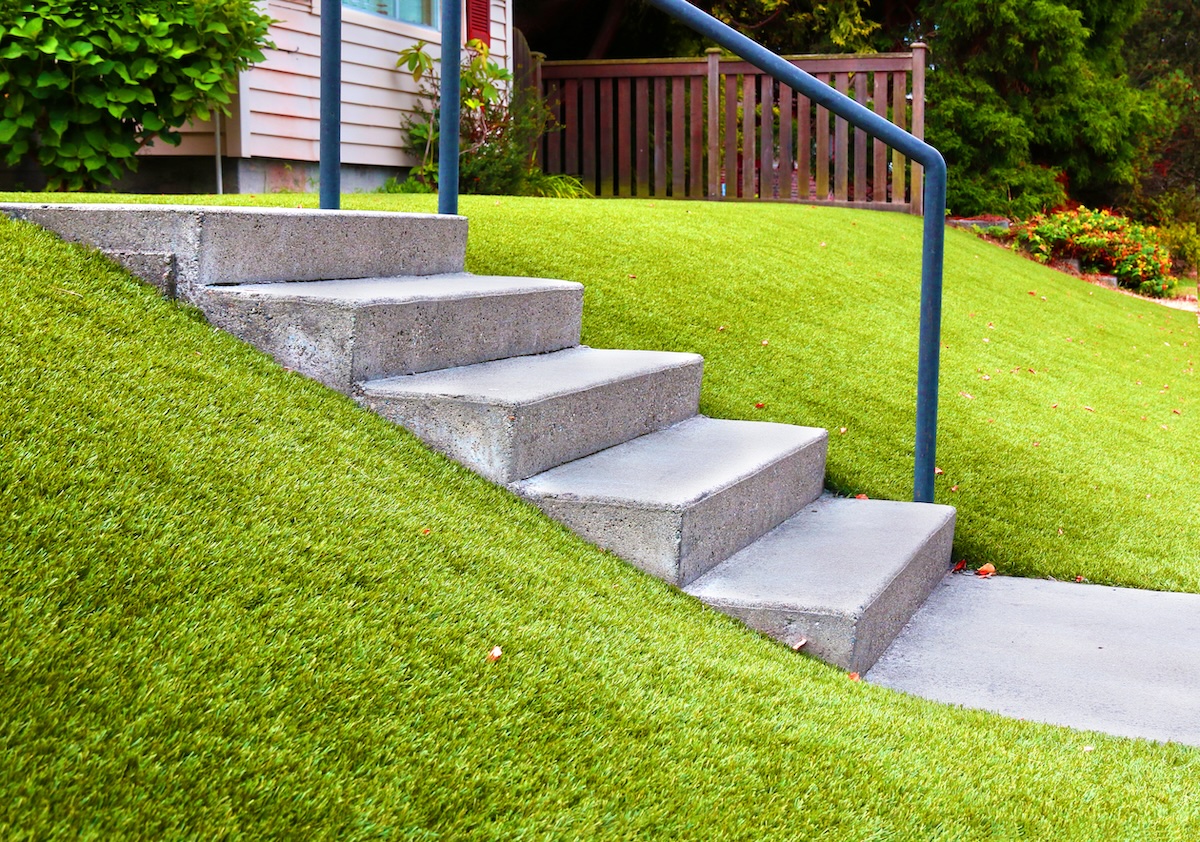
A good install is as much about prep as it is about laying the turf. Proper grading, compacted base, secure edging, and clean seams all make a huge difference in how the turf performs—and how long it lasts.
If you’re thinking about long-term ROI, the installation phase is especially important. Poorly-graded turf can pool water, shift over time, or develop uneven spots that look bad and feel worse to walk on. Skimping on the base layer or skipping weed barriers is asking for trouble—especially in humid or rainy regions. And loose edges are just an open invitation for pets (or curious kids) to start tugging.
A clean, professional install might cost a bit more upfront, but it’s what turns turf from a temporary patch job into a solid, low-maintenance upgrade. Ask for photos of past installs and don’t be afraid to bring up tenant-related durability when vetting your contractor. They’ll usually have recommendations on best practices for high-use properties.
A Strategic Landscaping Upgrade for Rentals
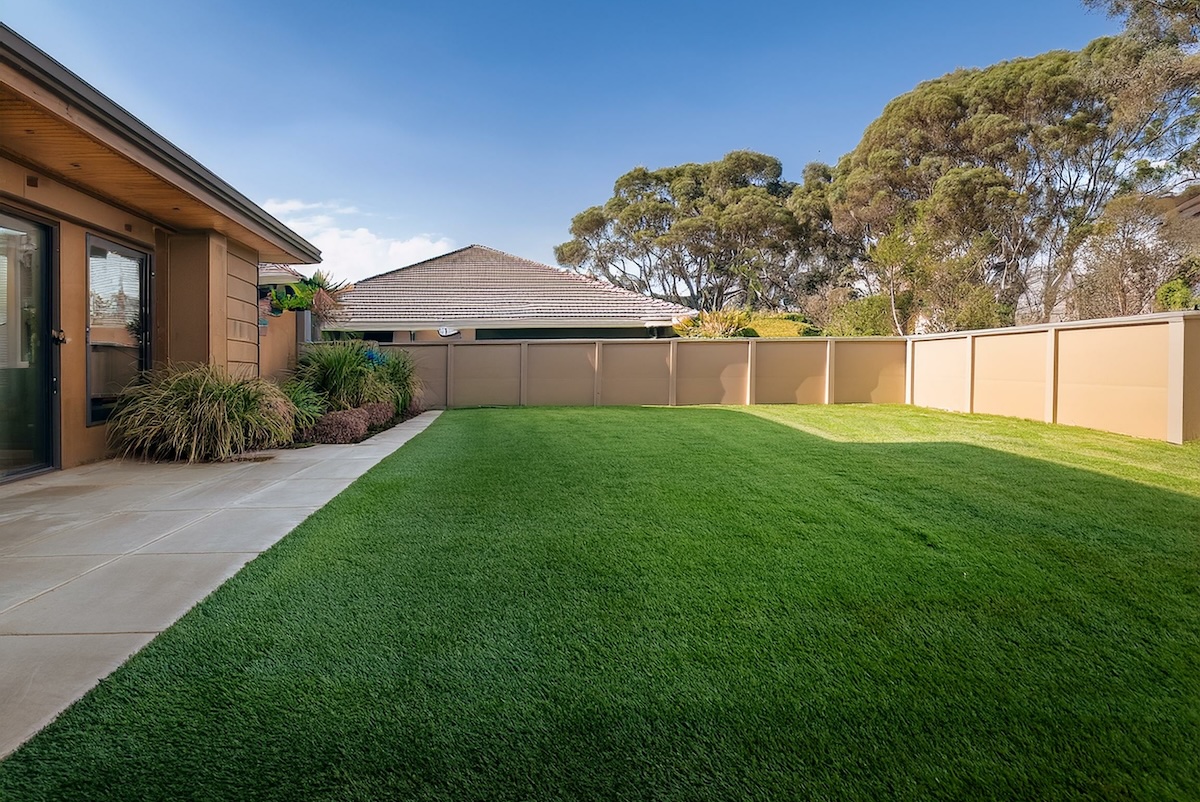
For rental properties, synthetic grass can solve a lot of common problems. It gives you predictable maintenance, more consistent curb appeal, tenant-friendly usability, and long-term cost control—all without relying on renters to keep things alive.
Whether you manage one single-family home or 50 units across town, artificial turf gives you a way to simplify landscaping without sacrificing looks or function.
Done right, it becomes one less thing to worry about. And in property management, that’s worth its weight in irrigation timers and reseeding invoices.