Last Updated on January 26, 2026 by ReTurf
Artificial turf does not get laid directly on top of dirt, although that’s a common assumption. A proper installation depends on a compacted stone base that can drain water, spread weight, and stay put over time.
That base is usually made from angular crushed stone, and in many installs there’s a thinner leveling layer on top to smooth things out before the actual turf itself goes down. Depending on what the soil is like, a geotextile fabric may also go underneath to keep everything separated and stable.
When that foundation is done right, the turf stays flat, drains the way it should, and doesn’t start shifting or wrinkling as the weather changes. When the base is rushed or built too thin, problems can start to show up fast or slow, but they will show up at some point. And by that point, the only real fix is pulling the turf back up and rebuilding what’s underneath.
Here’s how the layers under artificial turf are typically built.
What Goes Under Artificial Grass
The Base Layer
The Main Thing That Supports Artificial Turf
The most important component under artificial turf is the structural base. This is the layer that carries weight, resists movement, and allows water to pass through instead of pooling at the surface.
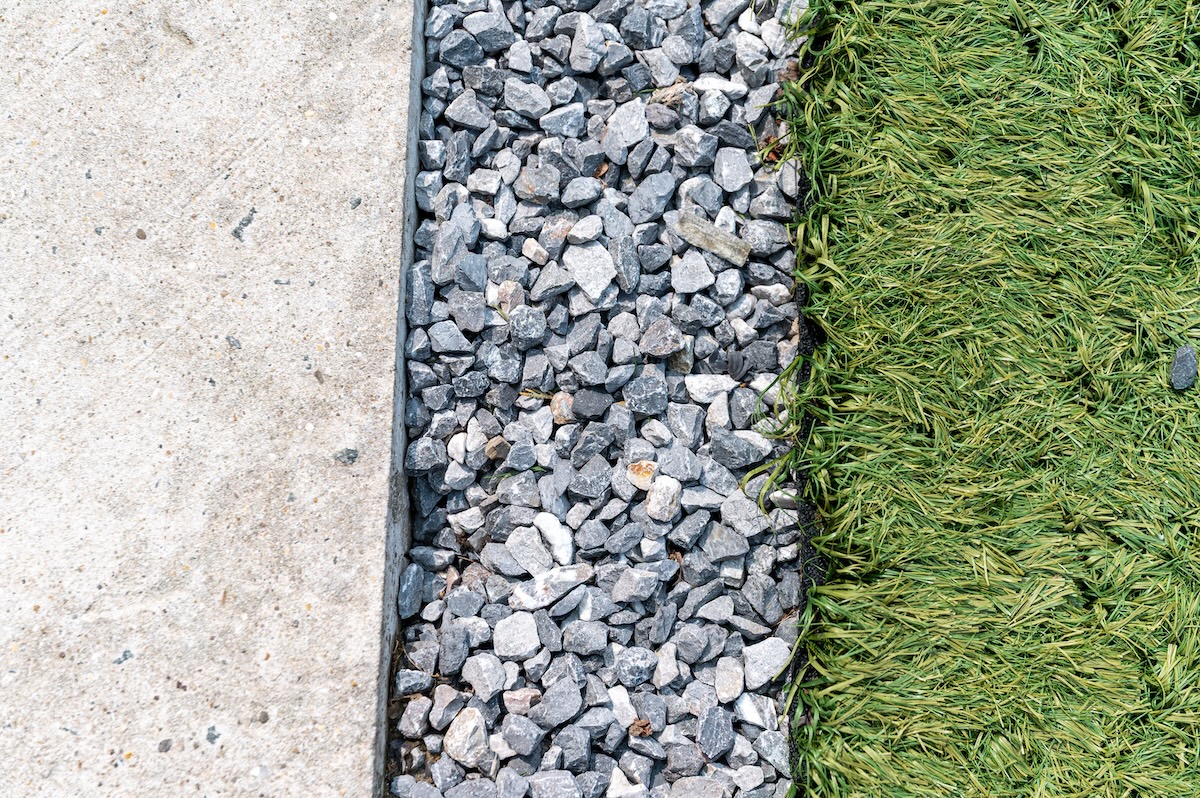
In most installations, the structural base is made from angular crushed stone. Unlike rounded gravel, angular aggregate locks together when compacted, forming a stable surface that behaves more like a solid platform than loose rock.
Typical base materials include crushed limestone, crushed granite, or similar quarry stone. Particle sizes usually fall in the ¾-inch range, sometimes blended with smaller material to improve compaction.
Once installed, this layer is mechanically compacted in lifts using a plate compactor.
📐 Compaction Tip: While hand tampers can help for small areas, in tight spots, or along edges, they aren’t generally sufficient on their own for compacting an entire base evenly. A plate compactor applies consistent force, vibrates material into interlock, and achieves density you cannot get by hand across a full area. Of all the steps of installing artificial turf, proper compaction is very important to prevent the base layer under artificial turf from settling unevenly later.
In practical terms, a lot of residential turf installs start with a compacted stone base in the ≈2 to 3 inch range, assuming the soil underneath has been properly prepared. The stone is placed in layers and compacted thoroughly so it forms a flat, solid working surface rather than loose fill.
Many installers then add a thin layer of finer material. Decomposed granite or limestone screenings are common.That layer helps smooth out minor variations before the turf goes down. This layer does three critical things at the same time:
- It spreads loads across the ground so foot traffic, furniture, or equipment doesn’t create depressions.
- It allows water to drain vertically through the system instead of collecting under or on top of the turf.
- It creates a flat, consistent plane so the turf above it stays smooth.
If the base fails at any of these jobs, the turf above it will reflect that failure.
How Thick Does the Base Under Artificial Turf Need to Be?

There isn’t one universal base depth that applies to every turf installation. Base thickness depends on how the area will be used and how stable the underlying soil is.
For most residential lawns and general landscape areas, a compacted base thickness of around ≈2 to 3 inches is common. Areas that see more traffic, such as dog runs, play areas, or gathering spaces with furniture, often benefit from additional depth.
Applications that involve repeated directional movement, athletic use, or heavier loads typically require a thicker base to resist shear and shifting over time.
What matters more than hitting an exact inch measurement is consistency. A base that varies in thickness will compact unevenly, which leads to low spots and surface distortion later.
The Leveling Layer
Why a Second Aggregate Layer Is Used
On top of the structural base, many installations include a thin leveling layer made from fine crushed stone or stone screenings. This is sometimes referred to as decomposed granite, crusher fines, or similar material.
This layer is not there to add strength. Its purpose is precision.
The finer particles allow installers to smooth out small variations in the base, correct minor grade transitions, and create a uniform surface for the turf backing to sit on. When compacted, the particles interlock tightly, reducing the chance of shifting.
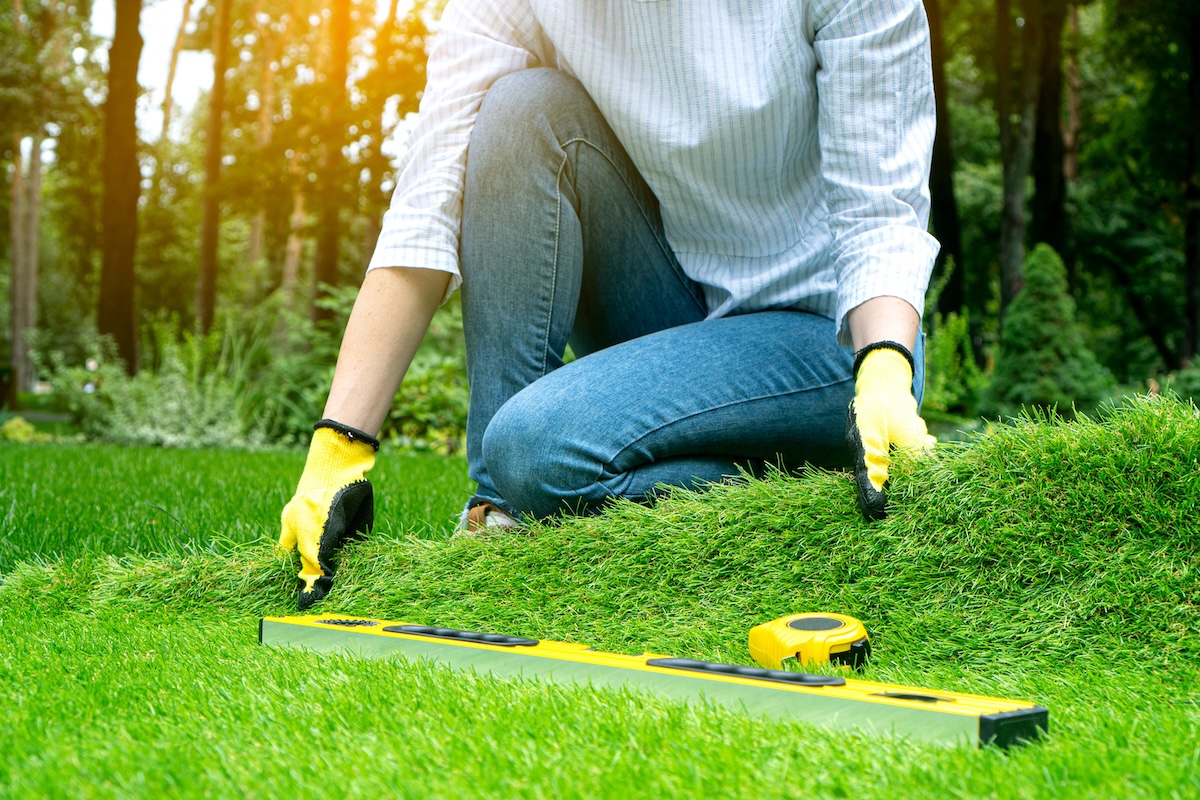
Skipping this layer doesn’t always cause immediate failure, but it often makes it harder to achieve a clean, flat finished surface. Over time, small imperfections below the turf tend to become visible above it.
The leveling layer is typically kept thin, often around ≈½ to 1 inch, and compacted lightly to avoid over-softening the surface.
Note: In some installations, a shock pad is placed between the turf and the base to add cushioning, but it does not replace the need for a properly built aggregate base.
Does Landscape Fabric Go Under Artificial Turf?
Landscape fabric is not automatically required under artificial turf, but it can serve a specific purpose when conditions call for it.
When installed between the soil and the aggregate base, geotextile fabric helps separate organic soil from the stone above it. This prevents fine soil particles from migrating up into the base over time, which can reduce drainage and stability.
Fabric is most useful in areas with expansive clay soils, poor drainage, or aggressive weed pressure. In well-draining, stable soils, it may provide little functional benefit beyond weed suppression.
What matters is placement. Fabric belongs beneath the base, not between base layers, and it should be laid flat with seams overlapped to prevent gaps.
Used correctly, it supports the base system. Used incorrectly, it does nothing.
What Doesn’t Go Under Artificial Turf
A lot of confusion around artificial turf bases comes from seeing turf installed over surfaces that were never meant to support it long-term. Some of these shortcuts may look fine at first, then fail later on.
- Bare soil directly under turf is a common mistake. Soil shifts with moisture, compacts unevenly, and erodes over time. Even heavily compacted native soil does not provide the drainage or dimensional stability a standard turf installation requires. Installing turf directly over bare dirt/soil almost always develops low spots, wrinkles, or pooling within the first few seasons.
- Sand-only bases create a different problem. While sand drains well, it does not have the structural strength needed to support artificial turf on its own. Sand particles do not lock together when compacted, so the material can shift sideways under traffic, turning, or concentrated loads. Under foot traffic, it tends to displace laterally, especially when installing on slopes or near edges. Over time, that leads to surface rippling and edge collapse.
- Organic fill, mulch, or mixed soil blends shouldn’t be used under turf. These materials break down, retain moisture, and change volume as they decompose. Turf installed over organic material tends to develop soft spots and uneven tension.
What all of these materials have in common is that they don’t provide a stable, load-bearing foundation over time. They either shift, break down, or move laterally as conditions change. Synthetic grass needs a base that stays put, drains consistently, and holds its shape over time.
- What about pouring concrete to go under artificial turf? Turf can be installed over concrete in very specific, purpose-built systems that include surface drainage channels, adhesives, and controlled expansion gaps. Problems arise when standard turf is placed over concrete without accommodating water movement or thermal expansion. In most residential and landscape applications, a concrete slab adds cost without solving the actual structural needs of the turf.
Why Infill Is Not “What Goes Under” Artificial Turf
Infill is often lumped into base discussions, but it serves a completely different role. It sits within the turf fibers, not beneath the turf system. It does not provide structural support, and it does not compensate for a poorly built base.
Its job is to add weight to the turf backing, keep fibers upright, reduce surface friction, and influence surface feel. Common infill materials include silica sand and specialized antimicrobial blends.
Confusing infill with the base leads to installation shortcuts. No amount of infill will prevent settling, drainage failure, or surface distortion if the layers below the turf are unstable.
When the base is correct, infill fine-tunes performance. When the base is wrong, infill only hides problems temporarily.
Base Design by Use Case
Artificial turf bases should be designed around how the surface will be used. This is where a lot of turf installs go sideways. How thick the base needs to be, how tight it has to be compacted, and how much attention drainage gets all depend on what’s going to happen on top of the turf once people start using it. For example, a backyard lawn, a dog run and a putting green don’t ask the same things of the ground underneath them.
- Residential landscape areas with light foot traffic typically perform well with a compacted aggregate base in the 2–3 inch range, provided the subgrade is stable and properly prepared.
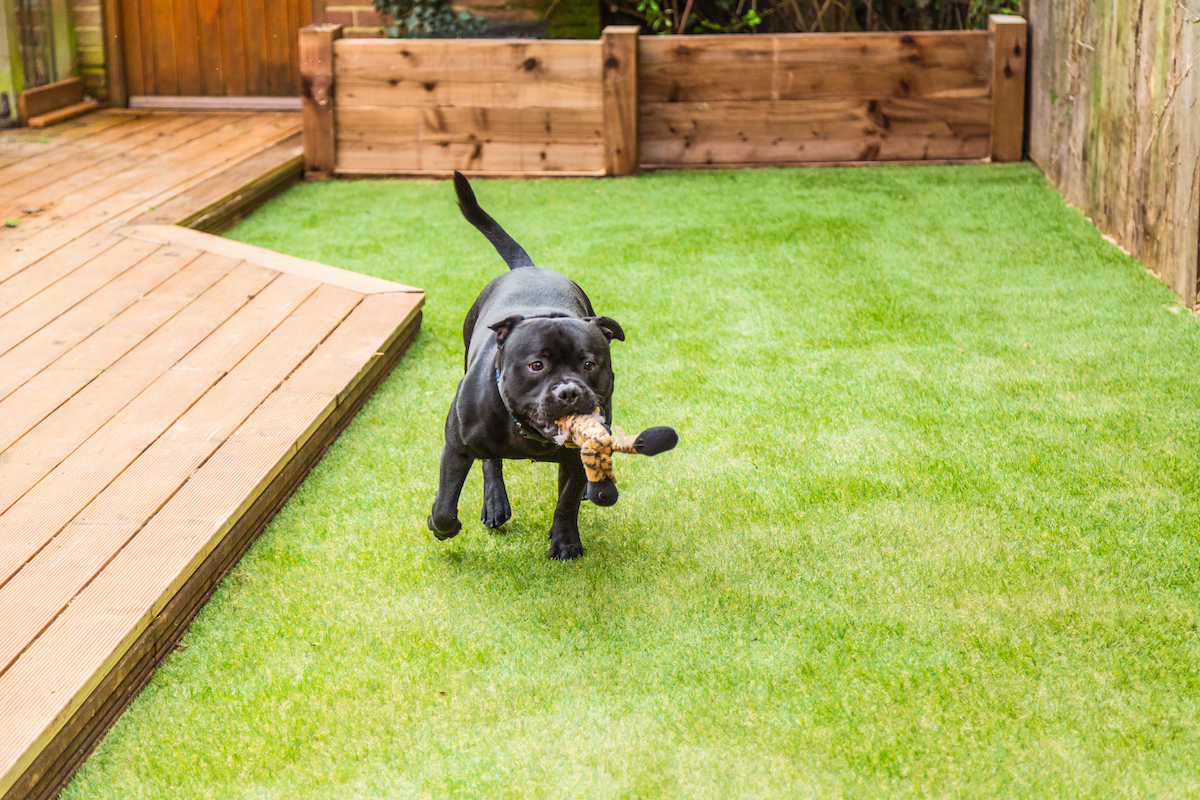
- Dog runs and pet areas benefit from additional base depth and careful compaction. Repeated movement, turning, and concentrated traffic place higher shear stress on the base. Drainage becomes especially important in these areas to prevent odor retention and soft spots.
- Play areas and backyard activity zones often require tighter grading tolerances. Even small inconsistencies become noticeable where people run, pivot, or sit directly on the surface.
- Putting greens and precision turf applications rely heavily on the leveling layer. Surface smoothness depends less on overall base thickness and more on consistent compaction and fine-grade control.
- Light athletic or training areas introduce lateral forces that standard lawn installations never see. These applications typically require deeper bases and stricter compaction standards to prevent surface movement over time.
Common Issues
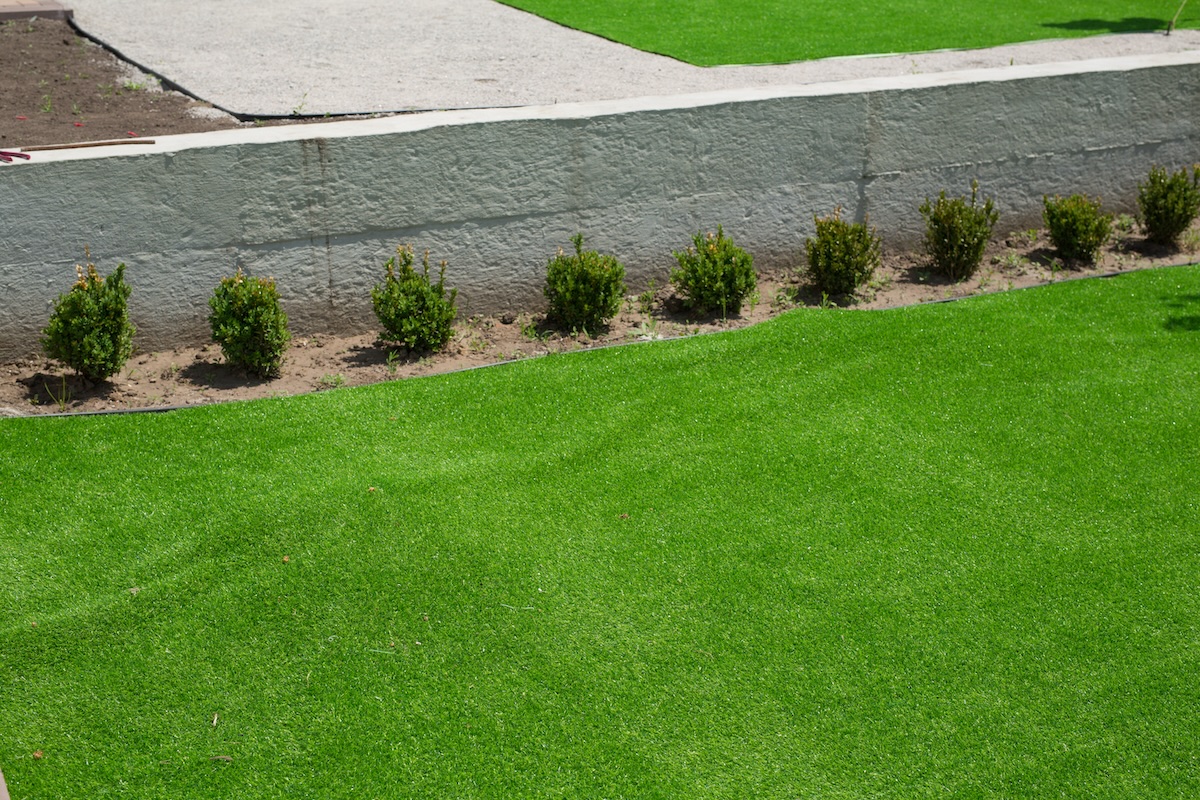
Many of the issues people see with artificial turf can be traced back to how the base was planned and built before the turf went down.
- Settling or shallow depressions usually point to uneven base thickness or areas that weren’t compacted consistently. These changes often become noticeable after periods of heavy rain, when moisture highlights weak spots in the base.
- Wrinkling or rippling is commonly tied to base movement combined with normal temperature changes. Turf expands and contracts slightly as conditions shift, and a well-built base helps absorb that movement. When the base isn’t stable, those small movements become more visible at the surface.
- Standing water on the turf surface typically indicates a drainage issue. Either the base material isn’t allowing water to move through as intended, or fine soil has migrated into the aggregate layer and reduced its ability to drain.
- Edge areas tend to show problems first because they experience higher stress than the interior of the installation. When edges aren’t properly supported or compacted, they’re more likely to settle or lose shape over time.
In nearly every case, fixing these problems will require removing artificial turf and rebuilding the base.
The Takeaway: What Goes Beneath Artificial Turf
Artificial turf is only as good as what it’s sitting on. If the ground underneath isn’t right, the turf never really gets a fair shot.
A solid install starts with firm, well-prepared soil, then a base of compacted stone that can handle water and won’t shift around over time. In a lot of cases, adding a thin layer of finer material on top helps smooth things out so the turf lays clean. Fabric goes in when the soil calls for it.
If you’re planning a turf installation, whether it’s a small backyard area or something more specialized, spending time on the base is where the effort pays off. A properly prepared subgrade, a well-compacted stone base, and a clean, consistent finish layer give the turf a stable platform to perform the way it’s supposed to. Get those pieces right, and the turf above them is likely to stay flat, drain reliably, and hold its shape for years and years to come.

Artificial turf doesn’t need perfection underneath it, but it does need attention to detail. When the layers below are built with that in mind, the beauty and consistency of the surface above stops being something you have to worry about—and that’s really the whole point of installing turf in the first place.