Last Updated on February 19, 2026 by ReTurf
Recycled artificial turf is one of those things most people don’t even realize exists until they stumble across it. Artificial turf, sure. That’s familiar. But turf made from recycled material is a whole other beast. You almost feel like you’ve uncovered a secret tier of the product catalog. Like when you find out grocery stores have a “manager’s special” shelf and nobody told you, and suddenly you’re wondering what else is hiding in plain sight. Because for years the conversation was always grass versus fake grass. Two sides. A debate. People have feelings about it. Lawn people have very strong feelings about it.
Some companies market their artificial turf like it descended from a space program. Ten layers, cooling technology, performance infill, engineered blade geometry. It starts sounding less like ground cover, and more like a running shoe.
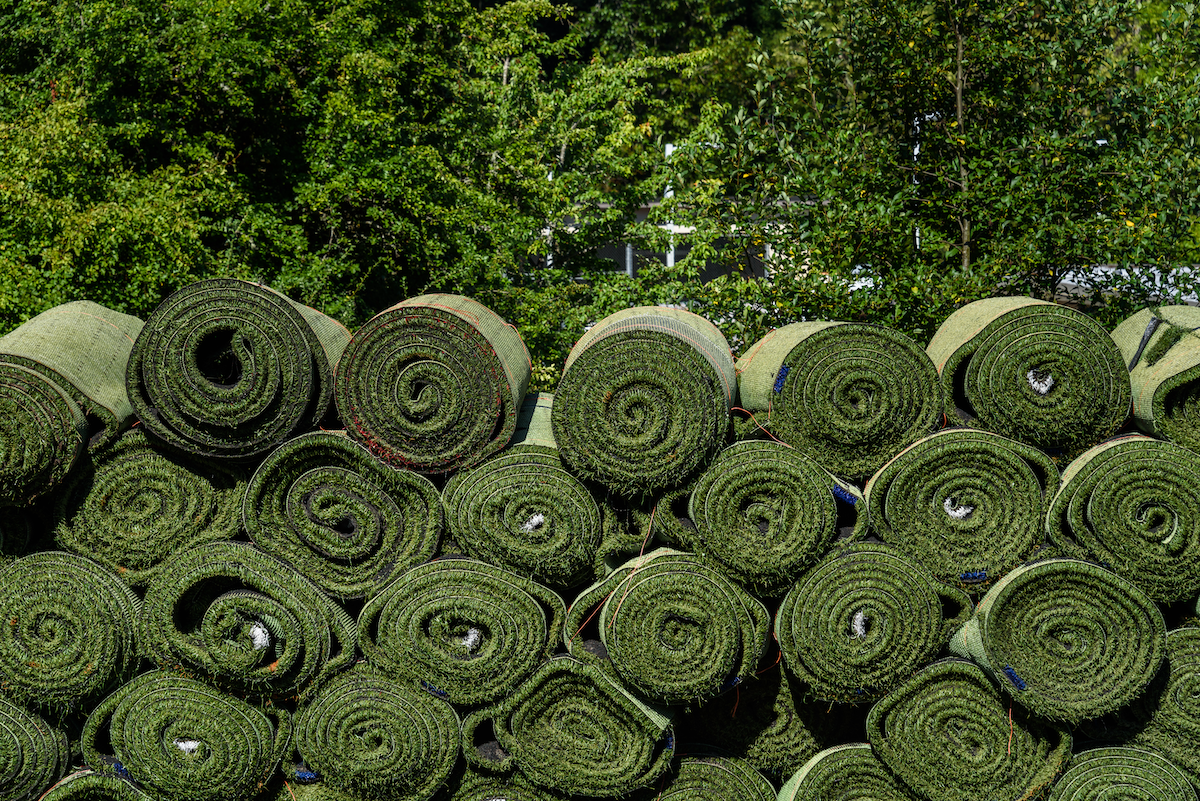
Recycled artificial turf has a different energy. It already lived a life somewhere. Maybe a sports field, maybe a training facility, and so on. Now it just needs a second assignment. Backyard. Dog run. That side yard nobody could ever grow grass in. (Or that shady strip along the fence-line where nature gave up in 2009.)
The obvious starting point is waste. Old turf, plastic fibers, backing materials… a lot of that stuff used to head straight for a landfill once it hit the end of its usable life. Recycled artificial turf flips that equation around. Instead of treating those materials as disposable, they get broken down and reworked into something usable again. That alone isn’t going to solve every environmental issue tied to synthetic surfaces, but it does address a very important problem: what happens after the product is done doing its job.
Now I’d add that there’s a practical angle that tends to get lost when people only talk about sustainability in broad terms. Traditional grass comes with constant inputs. Water. Fertilizer. Weed control. Equipment. Time. Recycled artificial turf strips most of that out of the equation.
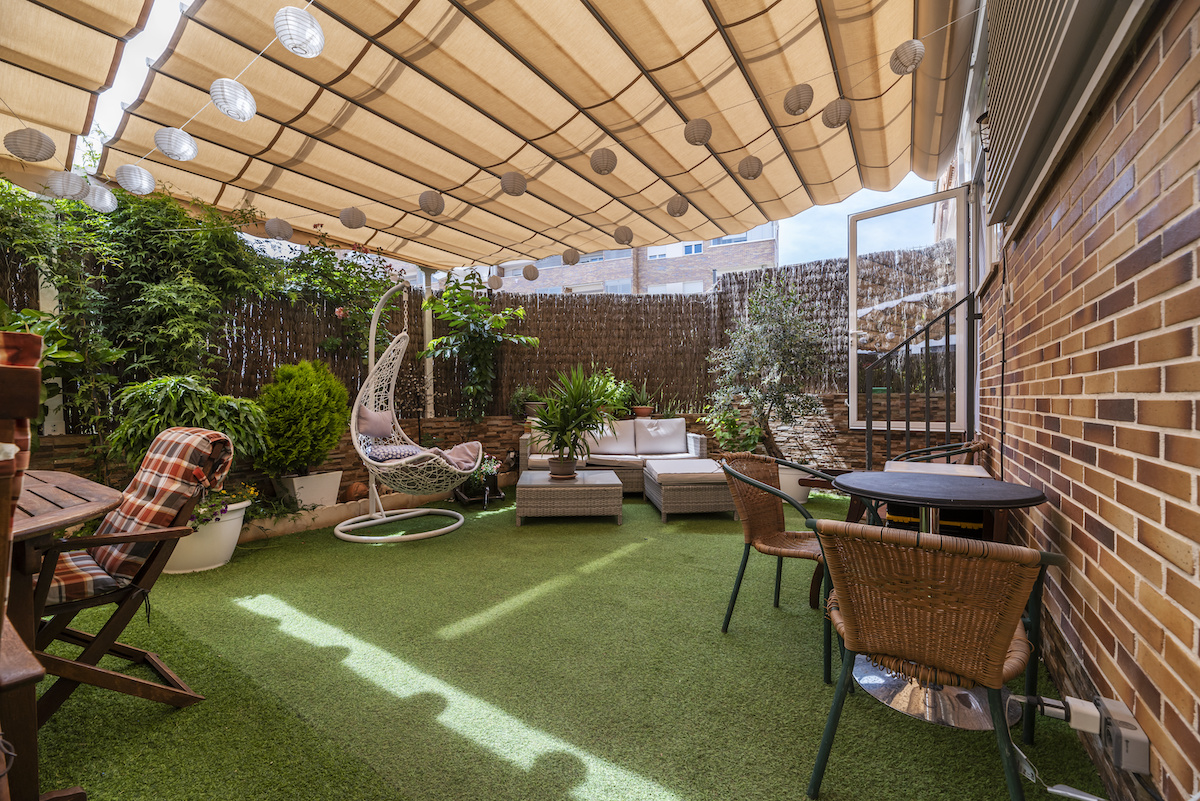
Once it’s in place, there’s very little you’re actively feeding or correcting week to week. For people dealing with dry climates, water restrictions, or properties that just don’t support healthy grass no matter how hard they try, that tradeoff is easy to understand.
Durability is another part of the picture that’s worth mentioning. Turf made with recycled materials isn’t fragile by default. In many cases, it’s engineered specifically to hold up under repeated use, foot traffic, pets, or commercial wear. That longer lifespan matters, because replacement cycles are where a lot of hidden environmental cost lives. If something lasts longer before it needs to be torn out, that’s fewer materials moving through the system overall.
One interesting side effect of recycled turf is how often it ends up being used creatively. It shows up in unexpected places: public installations, temporary event spaces, design projects that don’t look anything like a backyard lawn. When the material itself already has a second-life story, designers seem more willing to push it beyond its original purpose. It stops being just “fake grass” and turns into a flexible surface that can be cut, shaped, layered, and reused again later.
None of this means recycled artificial turf is a magic solution, or that it replaces every use case for natural grass. It’s still a manufactured product, and it still needs to be chosen thoughtfully. But as an option, it sits in a more interesting middle ground than people give it credit for. It reduces waste, lowers ongoing resource use, and opens up some practical and creative doors at the same time.
If you’re curious about how recycled artificial turf is sourced, where it comes from, and where to get it, this is a good place to start: Where to get recycled artificial turf