Last Updated on March 19, 2026 by ReTurf
Question: “Is There Environmentally Friendly Fake Grass?”
Yes, there are more environmentally friendly options for fake grass, but it’s important to consider what makes a product eco-friendly in the first place. In some cases, that means choosing reclaimed turf that keeps perfectly usable material out of the landfill and gives it a substantial second life. In others, it means choosing new recyclable turf engineered with end-of-life recovery in mind, rather than installing a product that becomes a disposal problem later.
It’s important to recognize that almost no building material choice—and certainly no manufactured surface—is 100% impact-free. The distinction is that some eco-friendly fake grass (artificial turf) options offer a more responsible path on waste reduction, reuse, and end-of-life planning than others. That is exactly why the language around recycled, recyclable, and reused turf matters so much.
That said, if you’ve been shopping for synthetic grass with sustainability in mind, you have probably seen the words recycled and recyclable used in ways that make them seem interchangeable. They are not.
They point to two separate ideas, and mixing them up can send you looking for the wrong product.
- For example, some people might think they are looking for recycled turf when they are really wanting used turf pulled from a sports field.
- Others assume recyclable artificial grass means the product has already been recycled, when it usually means something very different: it is new turf designed to be recycled later.
In reality, one term usually refers to turf that has already had a first life and is being reused or processed after removal. The other refers to turf that is manufactured so it can be recycled later, once its usable life is over.
Those are very different starting points, different buying decisions, and different value propositions. Getting clear on that distinction makes it much easier to choose the right turf for your project, especially if your priorities include cost, waste reduction, long-term planning, or all three.
A Quick Summary of the Terms
The shortest possible version:
Recycled means the turf has already been used and then processed in some way.
Recyclable means the turf can be recycled later.
Used or reclaimed means the turf has been removed and resold with minimal change.
Recycled Artificial Turf vs. Recyclable Artificial Turf
The easiest way to think about it is this:
Recycled artificial turf refers to turf that has already been removed from one installation and has gone through some type of post-use handling. Depending on the situation, that could mean it was cleaned up for reuse, reworked into another form, or broken down into material for a different product.
Recyclable artificial turf refers to turf that is designed from the start so it can be recycled at the end of its service life.
Those definitions sound close on paper, but in the real world they usually lead buyers in completely different directions.
In many cases, when someone is looking for “recycled turf,” what they really mean is used, reclaimed, or repurposed turf. That is turf that has been taken up from a previous job and sold again largely as-is. It has not necessarily been transformed into something new. It is simply being reused.
Recycled, Recyclable, and Used Turf Are Not the Same Thing
These are the distinctions most people are trying to sort out:
Recycled Turf
This usually means turf that has already been through some level of processing after removal. It may have been cleaned, reconditioned, remanufactured, or reduced into raw material for another use.
Recyclable Turf
This is typically new turf made from materials and system designs intended to support future recycling once the product reaches the end of its lifespan.
Used Artificial Turf
This is turf that has been removed from a field, facility, or landscape installation and sold again with little or no material transformation. It is the same turf getting a second run somewhere else.
Why So Many People Searching for “Recycled Turf” Are Really Looking for Used Turf
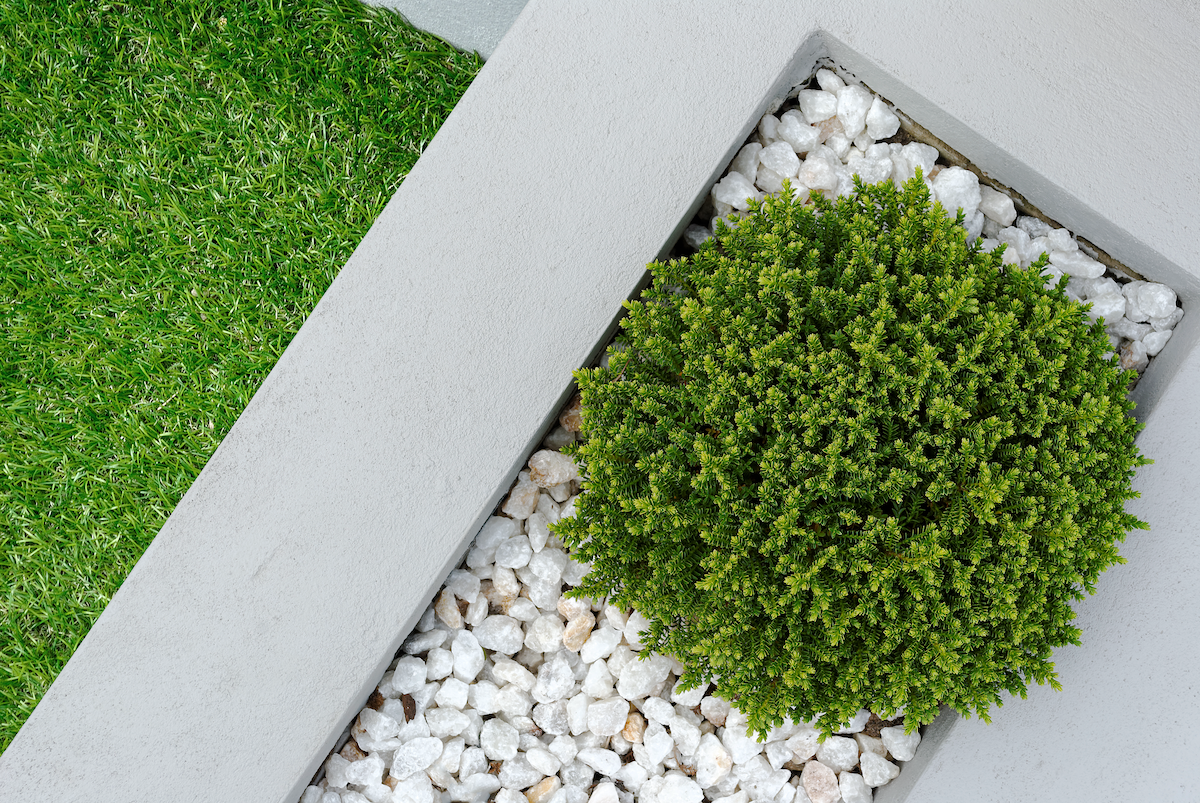
When people begin looking into environmentally conscious turf options, they are often not looking for a laboratory-perfect definition. They are looking for a practical outcome.
They want turf that costs less than brand-new material, still performs well, and keeps usable product from being thrown away.
That usually leads them to reclaimed turf.
A lot of used artificial turf comes from athletic fields, stadiums, training facilities, or large commercial installations. In many cases, that means the material started out as high-spec turf built to handle hard wear, weather exposure, and sustained foot traffic. So even after removal, it can still have plenty of useful life left for the right application.
It may show signs of its first life. You might see seams. You might find some cosmetic wear. In some cases, field markings are still present. But from a performance standpoint, reclaimed turf can still be a strong option for many secondary uses.
What Recyclable Turf Means When You’re Buying New
Instead of focusing on extending the life of an existing product, recyclable turf focuses on what happens after a new installation eventually wears out. The goal is to avoid the disposal dead end that has historically followed many older turf systems.
Traditional turf systems often combine multiple plastics, coatings, backings, and fill materials in ways that make end-of-life recovery difficult. Recyclable turf is designed to improve that outcome by using more consistent materials or more recycling-friendly construction.
For the buyer, that generally means you are purchasing a brand-new turf product with its full service life ahead of it, but with a more responsible end-of-life plan in view.
So if used turf is about getting more value out of material that already exists, recyclable turf is about making a smarter material choice on the front end.
Why the Difference Is Important
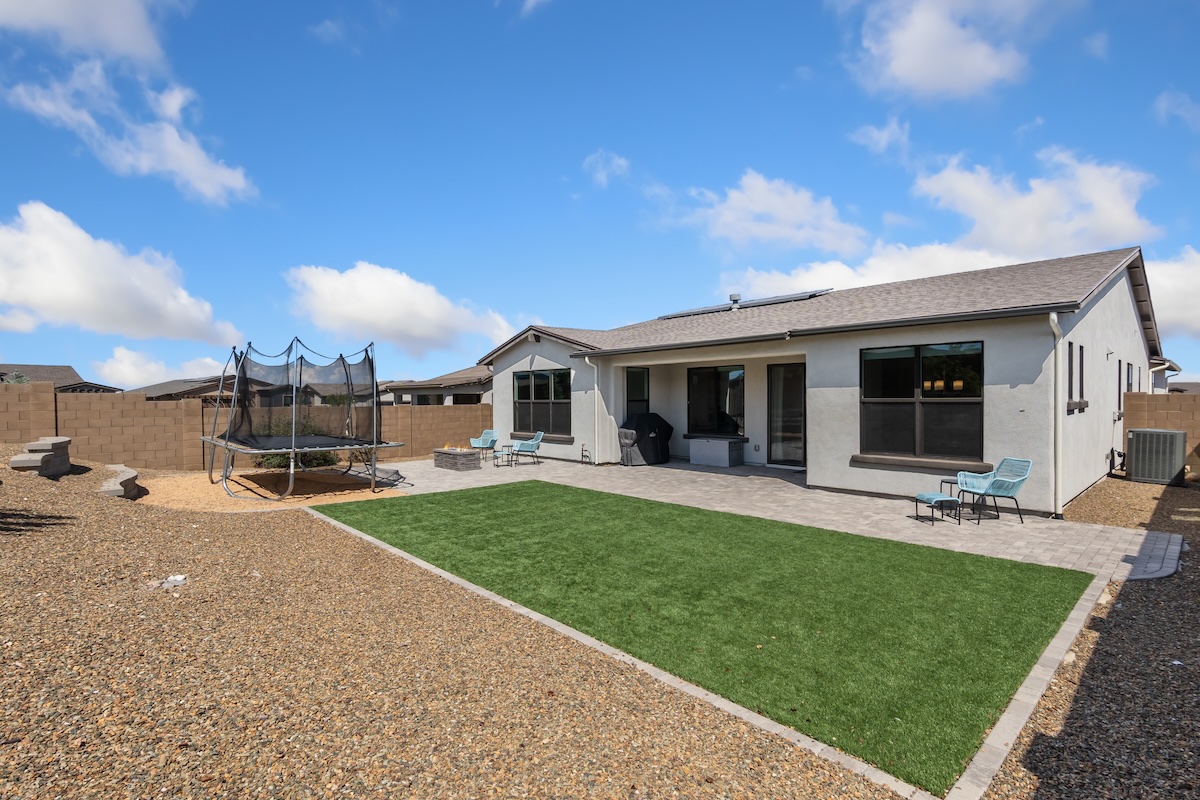
This is more than a vocabulary issue. The label affects what you are buying, what you are paying for, and what kind of project it makes sense for.
If your main priority is price, repurposing used artificial turf is usually the strongest value play. It gives you access to material that may still perform very well without the price tag attached to a brand-new install.
If your main priority is future disposal and lifecycle planning, recyclable turf is the more forward-looking choice. You spend more upfront, but you are choosing a system intended to create fewer end-of-life headaches later.
If your priority is simply keeping usable turf out of the landfill, reclaimed turf has a strong sustainability case of its own. Reuse is a meaningful form of waste reduction, especially when the material still has years of function left in it.
So the right answer depends less on terminology, and more on what problem you are trying to solve.
When Used Turf Makes the Most Sense
Used turf is often the best fit for projects where function is more important than a pristine, untouched appearance.
That can include:
- dog runs
- batting cages
- training spaces
- event flooring
- utility areas
- erosion-control applications
- playground zones
- budget-conscious landscape installs
For these kinds of projects, reclaimed turf can stretch the budget much further while still delivering durability and usable coverage.
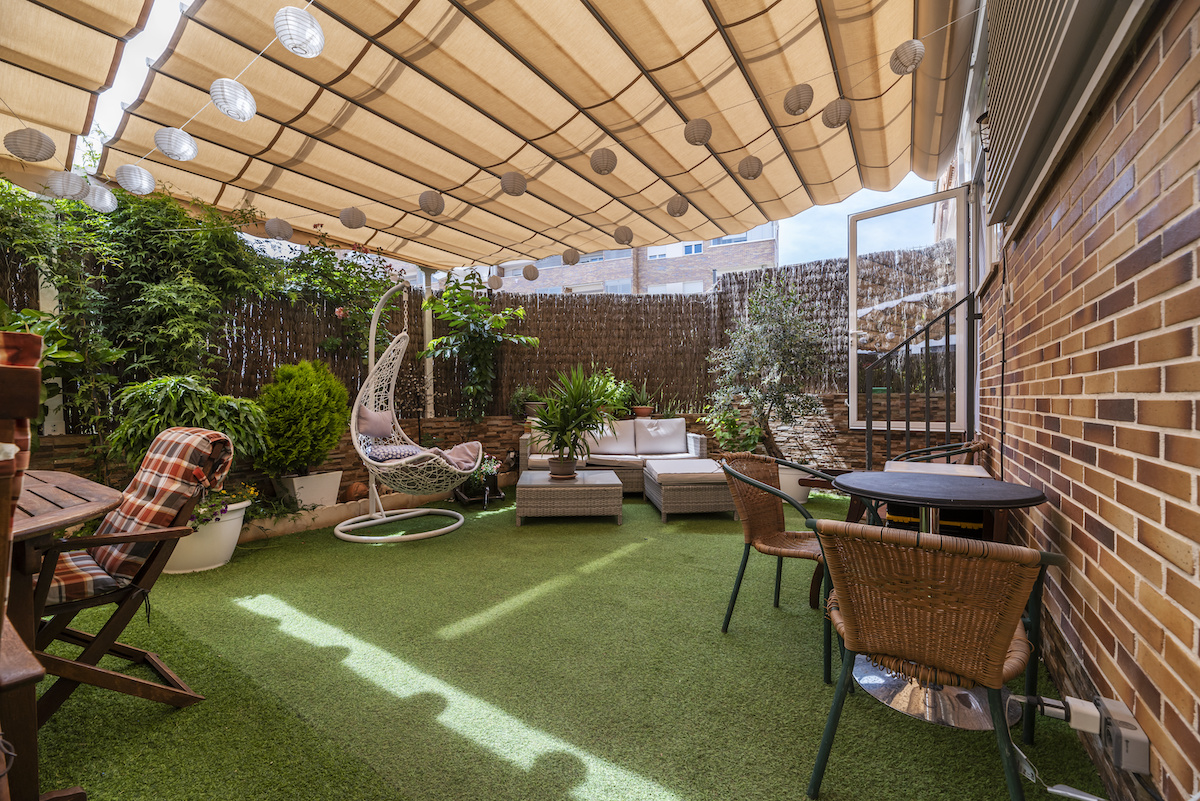
It’s also worth noting that used turf does not always mean heavily-marked turf. Some reclaimed inventory still shows field lines or logos, but unmarked options can also be available depending on how the original field was cut, faded, or removed.
So if leftover markings are a concern, it’s very possible to find used artificial turf without lines or markings.
When Recyclable Turf Makes More Sense
If you are planning a new install and want a full fresh lifespan, consistent appearance, and a better long-term disposal pathway, recyclable turf is usually the better fit.
This tends to appeal to buyers who are thinking several steps ahead. They want a new installation now, but they also want to avoid handing a difficult waste problem to their future selves later.
That can be especially relevant for:
- commercial properties
- institutions
- long-term landscape planning
- organizations with sustainability goals
- buyers who want a new product without ignoring end-of-life consequences
In other words, recyclable turf is less about bargain hunting and more about lifecycle strategy.
Why Artificial Turf Has Historically Been Hard to Recycle

One reason this topic causes so much confusion is that artificial turf seems simpler than it is. From the surface, it looks like a roll of fake grass. Underneath, it is usually a multi-part system made from different materials layered together for performance. That complexity helps turf hold up in the field (no pun intended) but it also makes recycling through traditional channels very difficult.
Turf Layers/Components
The fiber layer
The visible grass blades are typically made from plastic fibers such as polyethylene, polypropylene, or nylon.
Polyethylene is common because it has a softer, more natural feel. Polypropylene is often used in lower-cost applications or where a stiffer fiber is acceptable. Nylon is highly durable, though it is often more expensive.
Many turf products also include a thatch layer beneath the main blades. These lower, often curly fibers help add density, visual depth, and support. They help the turf look fuller and less flat, and they can help the upright blades recover after use.
Thatch improves appearance and performance, but it also adds one more material layer to the system.
The backing system
Under the fibers is the structural backing that holds everything together.
Artificial turf commonly includes a primary backing, which is where the fibers are tufted in, and a secondary backing, which helps secure the system and provide dimensional stability. These layers may involve polyurethane, urethane, latex, polypropylene, or related materials.
Those layers help keep the turf from stretching, shifting, or deforming over time. They are a major reason turf can remain stable under heavy use.
They are also a major reason recycling becomes difficult. Once multiple materials are bonded together through coatings, adhesives, heat, or manufacturing processes, separating them later is labor-intensive and expensive.
The infill
Infill is another complicating factor.
Depending on the installation, turf may contain silica sand, crumb rubber, TPE, TPO, cork, coconut-derived material, walnut shell, or mixed blends. Infill helps support the blades, add ballast, and influence the way the surface feels and performs.
But from a recycling standpoint, infill is one more thing that has to be removed, separated, and dealt with before the base turf system can even be evaluated.
The layers below the turf
Some installations also include additional materials beneath the turf itself, such as:
- shock pads
- drainage components
- geotextile layers
- weed barriers
Each one may be useful in service, but each one increases complexity when removal and recovery enter the picture.
What Makes Recycling Turf So Difficult
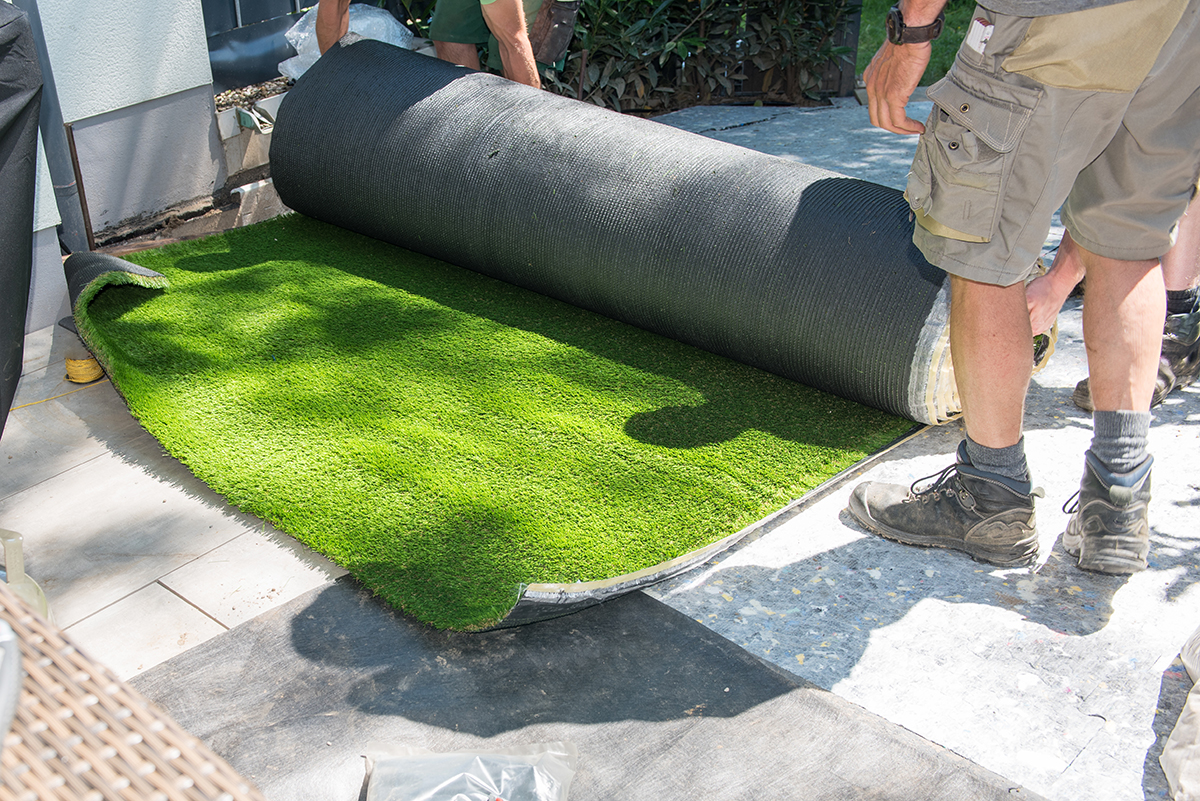
The main problem is that these materials are usually combined in ways that are hard to process economically after years of use. To recycle a conventional turf system, someone may need to:
- remove or separate infill
- strip out dirt and organic debris
- identify and sort material types
- separate bonded layers
- process contaminated components
That is a lot of labor and a lot of specialized handling. So in many cases, what happens is that the economics don’t work well enough for standard recycling channels. And as a result, you have turf that may contain recyclable components still ending up being landfilled because the system as a whole is difficult to recover efficiently.
That’s one reason reusable turf and purpose-built recyclable turf have drawn more attention in recent years. They offer more practical alternatives than just hoping conventional turf will become easy to recycle many years down the line.
Where to Find Recycled and 100% Recyclable Environmentally-Friendly Synthetic Grass
If you are shopping for used artificial turf, the best place to start is with suppliers that focus specifically on removing turf from sports fields, stadiums, and large commercial installations and then making it available for reuse. That kind of supplier is different from a standard retailer selling only new material. They are dealing in inventory that has already served one installation and can still be put to work in another.
ReTURF is one of the leading companies in this part of the market. The company is associated with reclaimed sports turf made available for second-life uses such as landscaping, dog areas, gyms, and other practical projects. Depending on inventory, marked and unmarked options may both be available.
For buyers looking for new recyclable turf, ReTURF also distributes Tempo Turf, a 100% recyclable artificial grass product designed with end-of-life recovery in mind.
So if someone is trying to compare second-life turf and recyclable new turf through one source, that pairing is one example of how both options can show up under the same supplier umbrella while still serving different needs.
Why Reuse is Important in the Pursuit of Environmentally-Friendly Artificial Grass
A lot of sustainability discussions in this space focus heavily on future recyclability, and that makes sense. But reuse deserves attention too.
When a field or stadium comes out, the turf does not instantly become worthless. In many cases, it is still structurally capable of serving a different purpose. It may no longer be ideal for its original high-performance setting, but that does not mean it has reached the end of all usefulness.
Repurposing that turf can potentially keep huge volumes of material in circulation longer, reduce landfill demand, and provide buyers with a lower-cost alternative to new product.
For many projects, reuse is the most practical form of sustainability available right now. It avoids overprocessing, extends service life, and puts existing material back to work where perfect cosmetic condition is not required.
A Note on Recyclable New Turf
The rise of recyclable turf reflects a different improvement path: better design from the outset.
Tempo Turf uses Olefin fibers and is made in the United States. The significance there is not just where it is produced, but that the system is designed to be easier to recycle than older turf constructions that rely on more difficult material combinations.
For a buyer planning a new installation, that changes the issue from “What will happen to this later?” to “Can I choose a product now that gives me a better answer later?”
That is a meaningful shift for the industry.
The Best Choice Depends on What You Need
Recycled turf, recyclable turf, and used turf may sound similar in casual conversation, but they are not interchangeable buying categories. There is no single winner between used turf and recyclable turf because they serve different purposes.
If you need to keep costs low, keep usable product out of the landfill, and cover an area where some signs of prior use are acceptable, utilizing used (i.e. reclaimed and repurposed) artificial turf can be a very strong and very green choice.
If you want a brand-new artificial grass installation and care about making a more responsible end-of-life choice from the beginning, recyclable turf may be the better fit.
Have questions about eco-friendly artificial turf or need some input on your project plans? Contact us to get answers or request a quote. Give us a call at (828) 518-5787 or click here to email ReTURF.